
Coral reefs are declining rapidly worldwide, making innovative restoration approaches and better ways of measuring reef recovery increasingly important for conservation. But how do we know whether a restored reef is truly becoming a healthy, resilient ecosystem?
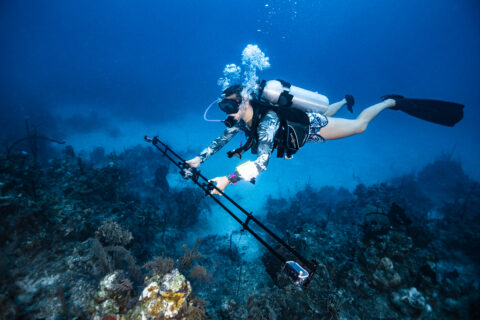
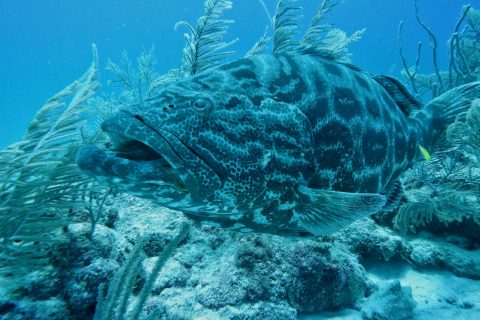
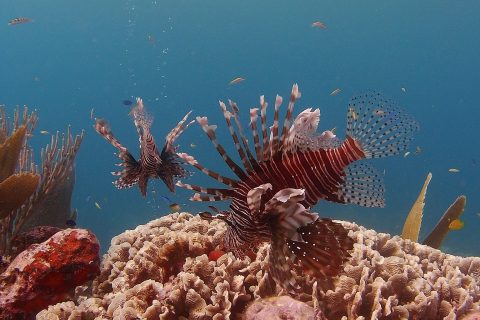
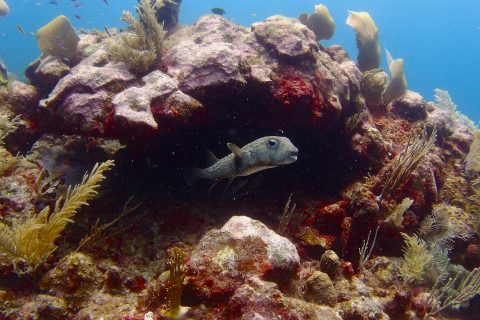
This project will give students the opportunity to investigate cutting-edge technologies for evaluating coral reef restoration, combining multiple techniques to build a detailed picture of reef condition and ecological function. Using 3D photogrammetry, students will create high-resolution models of the reef and quantify its structural complexity, while stereo-video surveys will be used to assess fish communities and other indicators of ecological health. These data can be combined with benthic coverage assessments to investigate coral communities, substrate composition and overall reef condition.
By integrating these complementary approaches, students can investigate how restored reefs compare with natural or degraded reefs, and identify which characteristics are associated with greater reef quality, biodiversity and resilience. The project provides hands-on experience with emerging technologies while contributing to the development of more effective methods for monitoring and evaluating coral reef restoration.
If you would like to do a dissertation or thesis with us but your university hasn’t started dissertation planning or the project selection process, that’s no problem. You can cancel your expedition with zero cancellation charges up until the 15th of April of if you provide documentation from your university saying that they won’t support completing a dissertation project with us.

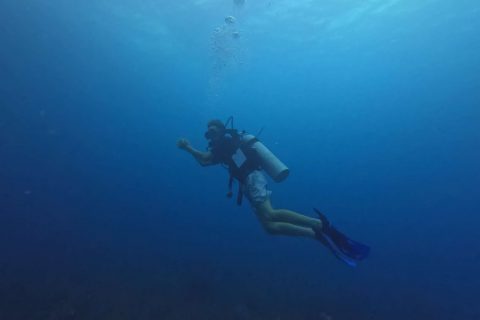
At the marine site, research is focused on assessing the efficacy of the Akumal marine protected area – a conservation zone created after Opwall data demonstrated its outstanding biodiversity value. Monitoring here focuses on the abundance and health of seagrasses and the impact of snorkel tours on the abundance and health of sea turtles. Research also aims to monitor the combined impacts of water quality and turtle grazing on the abundance and health of the seagrass ecosystem. In addition, students will have the chance to work alongside our team at Akumal Dive Center to complete their PADI open water dive training and complete a Caribbean reef ecology course in which they will learn about the major conservation issues with Caribbean reefs and will participate in variety of techniques for coral reef monitoring.
Most of our volunteers fundraise for their expedition costs. Find out more.
Climate
In Mexico it is hot and humid. Temperatures rarely drop below mid 20s even at night. It is unlikely to rain much, but you do get occasional heavy showers during the season.
Fitness level required
Medium in the forest, low on the marine site. There are some reasonably long walks through the forest, terrain varies by camp with some being almost completely flat and others more undulating. On the marine site lower levels of fitness are required (although you will likely be very tired at the end of the day after the in-water sessions).
Creature comforts
Facilities in the forest are basic (sleeping in tents or hammocks in a camp site), with a mixture of dry and trench toilets. There are freshwater showers but water conservation is particularly important to bear in mind. There are some limited opportunities to buy snacks at some forest camps and there is no phone signal at any of the sites. On the marine site the facilities are a little less rustic – you sleep in bunk beds in dormitories about 10 minutes drive from the beach. There is good phone signal and the site is well supplied with shops.









Find out all about how you could fundraise for an expedition.
Learn more
More information on how the dissertation/thesis projects run within Opwall and what you will need to do
Learn more


© 2026 Operation Wallacea Ltd. Website by Yello Media.
Social Media Links