
Earth is often referred to as ‘the water planet’ which is understandable from satellite images taken from space where the blue water looks vastly larger than land. Of Earth’s water more than 99% of it is inaccessible for consumption by humans and other living beings. This is primarily because 97% is saltwater and only 3% freshwater. Of that 3% freshwater, more than 68% of that is trapped in icecaps or glaciers and another 30% is stored deep under our feet in groundwater. Water is an infinitely necessary resource for all life forms but is a finite resource. That leaves around 3% of freshwater being geographically available to us, largely in surface water sources such as rivers, reservoirs and lakes.
This 3% of freshwater is thought to support around 125,000 animal species and 2,600 macrophyte plants – can you believe that this incredibly scarce resource is able to sustain that magnitude of life? Freshwater supports the basis of food chains, forms landscapes and increases the productivity of products for humans with three main components: firstly freshwater is key to the survival of all living beings, secondly freshwater habitats provide homes for many creatures and thirdly, it supports ecosystem function through carrying nutrients and sediments around the world.
On Opwall expeditions we are lucky to observe and research a varied spread of wildlife which are reliant on freshwater landscapes, detailed below are a few snapshot examples that I hope you’ll find interesting. Water you waiting for? Dive in…
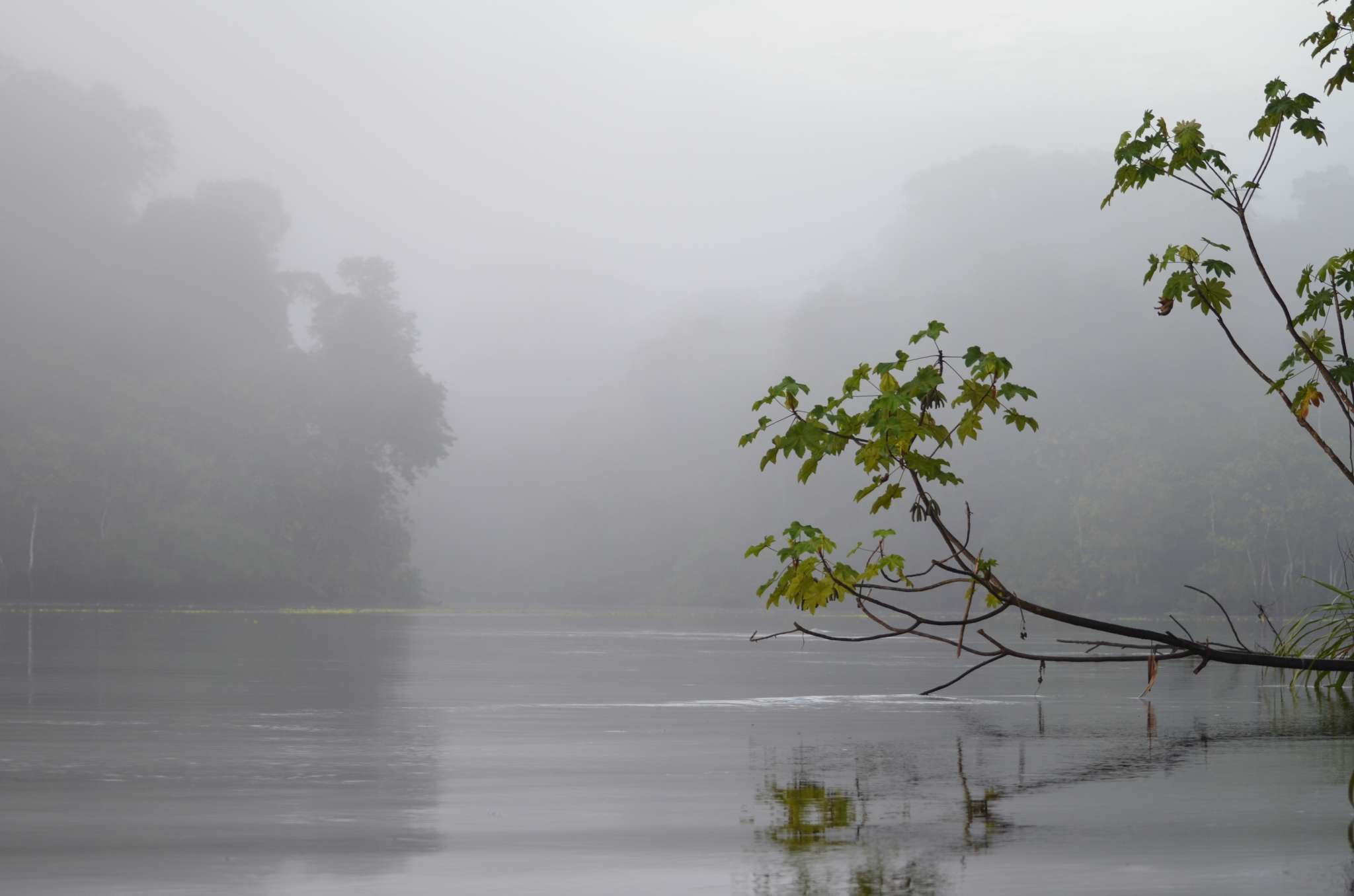
Photo by Rachel Daniels
Seasonally-flooded floodplains of Peru – ephemeral surface water
Floodplain forests represent around 3-4% of the Amazon basin. They are highly productive riverside areas which become flooded due to increased discharge of rivers during the rainy seasons. Water flows laterally and deposits rich silt sediments originating from the Andes Mountains. The additional water can extend the river’s banks by 20km each side and raise the water level between 7.5-15m high. The várzea’s of the Pacaya-Samiria National Reserve is one habitat you get to experience at our Peru site. During these flooded periods different taxonomic groups react quite differently. Terrestrial mammals such as tapir, jaguars and giant anteater need to take refuge as the water rises and the remaining dry land reduces. This causes greater competition, increases predation and can sadly result in some terrestrial animals drowning. Those in arboreal habitats, for example monkey species, sloths and macaws, can avoid the water by staying high in the trees. Therefore they are less likely to directly suffer but may be negatively impacted by a loss of terrestrial prey species or change in forest structure. For aquatic species the floods are largely beneficial as the influx of nutrients and zooplankton allows access to abundant resources and with this ideal environment breeding seasons extend and result in more successful stocks. When the water recedes other aquatic species such as dolphins and giant otters have a great opportunity for feeding. This landscape is an interesting example of how a changing landscape is variably influential for the wildlife but all plays the part in the circular system.
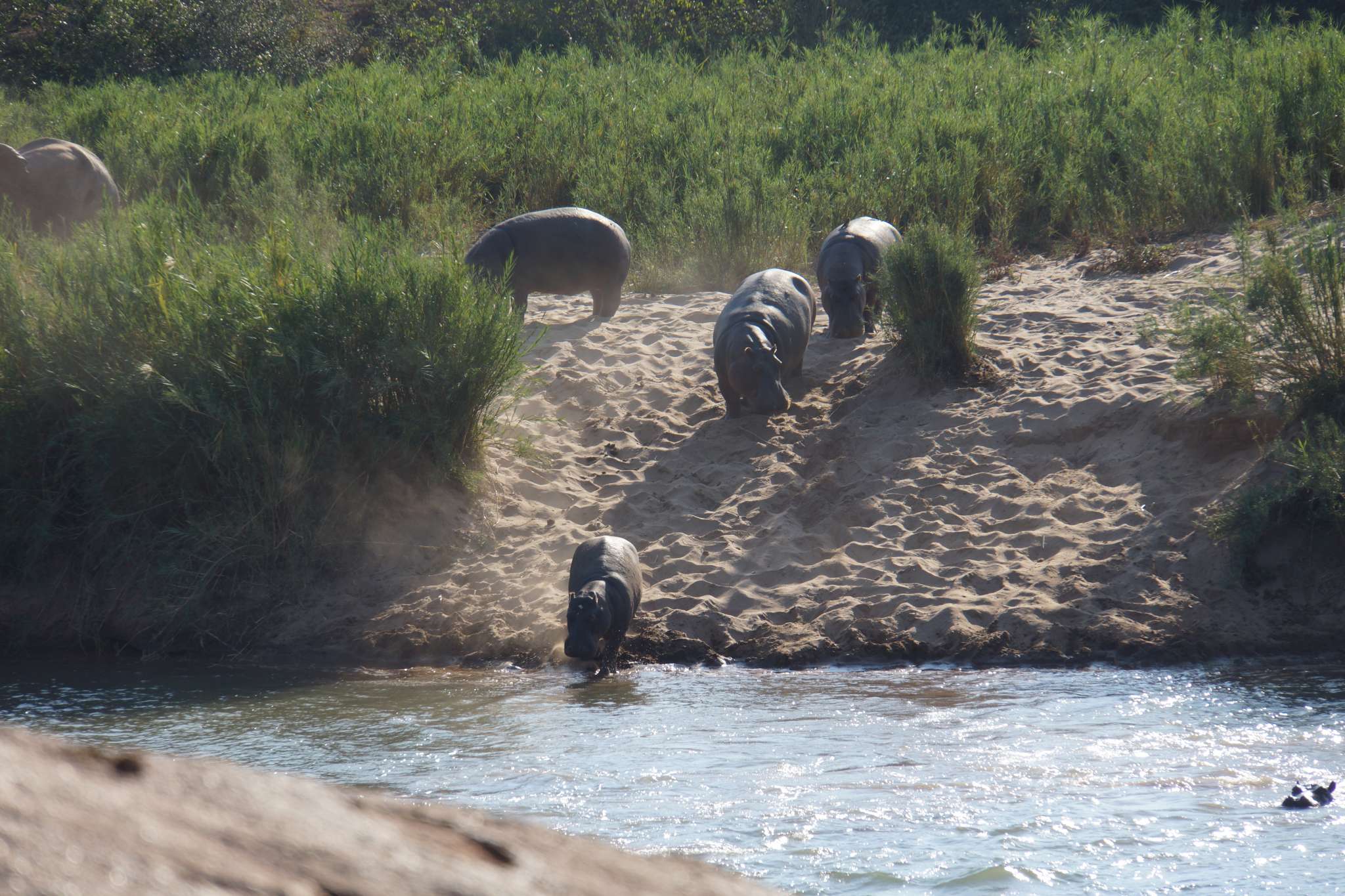
Photo by Leandra Rabinovitch
Supplementing natural resources in South Africa – water scarcity
In the dry, semi-arid, country of South Africa water is a scarce resource for wildlife and with increased irregular weather patterns, drought and decreased water security is a prevalent concern. The impacts of drought accumulate over a long period of time making it difficult to recognise the onset and end of a drought event, particularly due to the fact that each drought event will vary in intensity, duration and spatial extent. Taking an example of affected wildlife, the mighty African savanna elephant (Loxodonta africana) is a highly-water dependent species which needs between 200-300 litres of water per day. In water scarcity elephants will travel further from home ranges, use their tusks to dig into the earth to seek fresher water from the ground and risk venturing into human settlements to feast on crops much to the locals annoyance. An anthropogenic solution to relieving the impacts of a drought for elephants, other wildlife and to reduce human-elephant conflict situations is to implement water interventions. In the case of one of the reserves we work in, Somkhanda Game Reserve, as a part of their management plan this includes supplementing water for wildlife in the form of artificially pumped waterholes. This provides access to water which is crucial for elephants and wildlife to obtain the resources they need within the dry landscape.
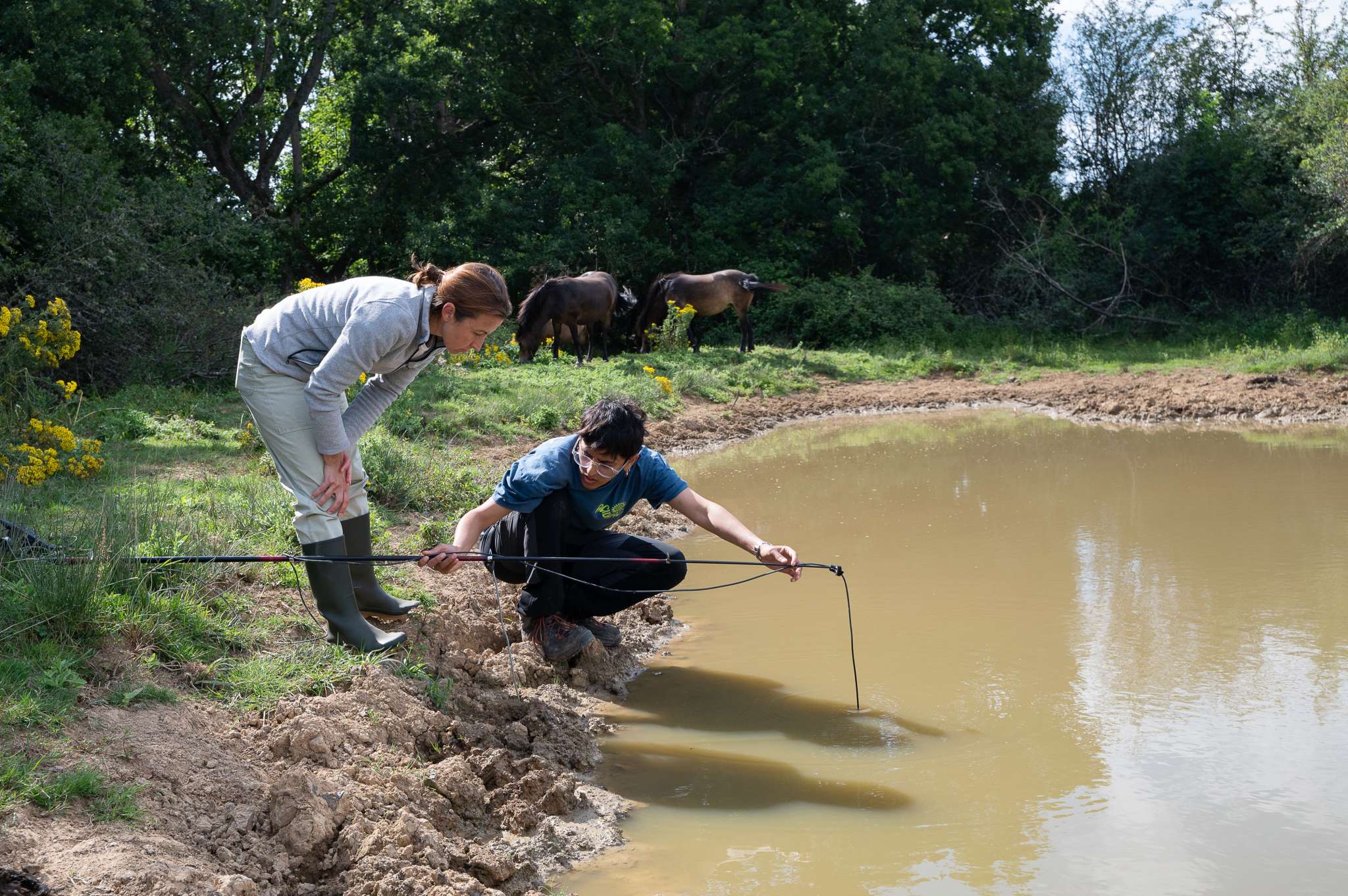
Photo by Johana Simonova
Knepp’s mosaic of pond habitats – permanent surface water
The Knepp Castle Estate played a part of the Million Ponds Project which aimed to reach a million ponds within the British countryside to bring clean water back to landscapes while creating new vital wildlife habitats. It has been found that within the UK and abroad ponds can support more common and uncommon species than other freshwater habitats like rivers or ditches. Each pond has unique physio-chemical conditions and therefore supports distinctive plant and animal communities. Ponds are a brilliant stepping stone for wildlife within a freshwater landscape and play a part in creating mosaic landscapes which create rich biodiversity with the range of habitats. Intensive farming was a primary contributor to having 80% of UK ponds be in poor or very poor condition back in 2010. Knepp has combated this and many other environmental needs by restoring most of its 3,500 acres into the state before intensive farming took its toll on the environment. The ponds at Knepp and its associated wildlife are monitored by our participants through several surveys. Beavers were introduced to Knepp and they play an important role in creation and maintenance of natural ponds. Dragonfly and damselfly surveys are carried out at these beaver ponds to understand how the engineering benefits Odonata. Continuing with invertebrates, a pond is sampled for presence and abundance aquatic invertebrates, at this same pond its soundscape is taken and the noises of the chatty water beetles, bugs and more is crossed referenced to understand the efficacy of listening to understand invertebrate diversity.
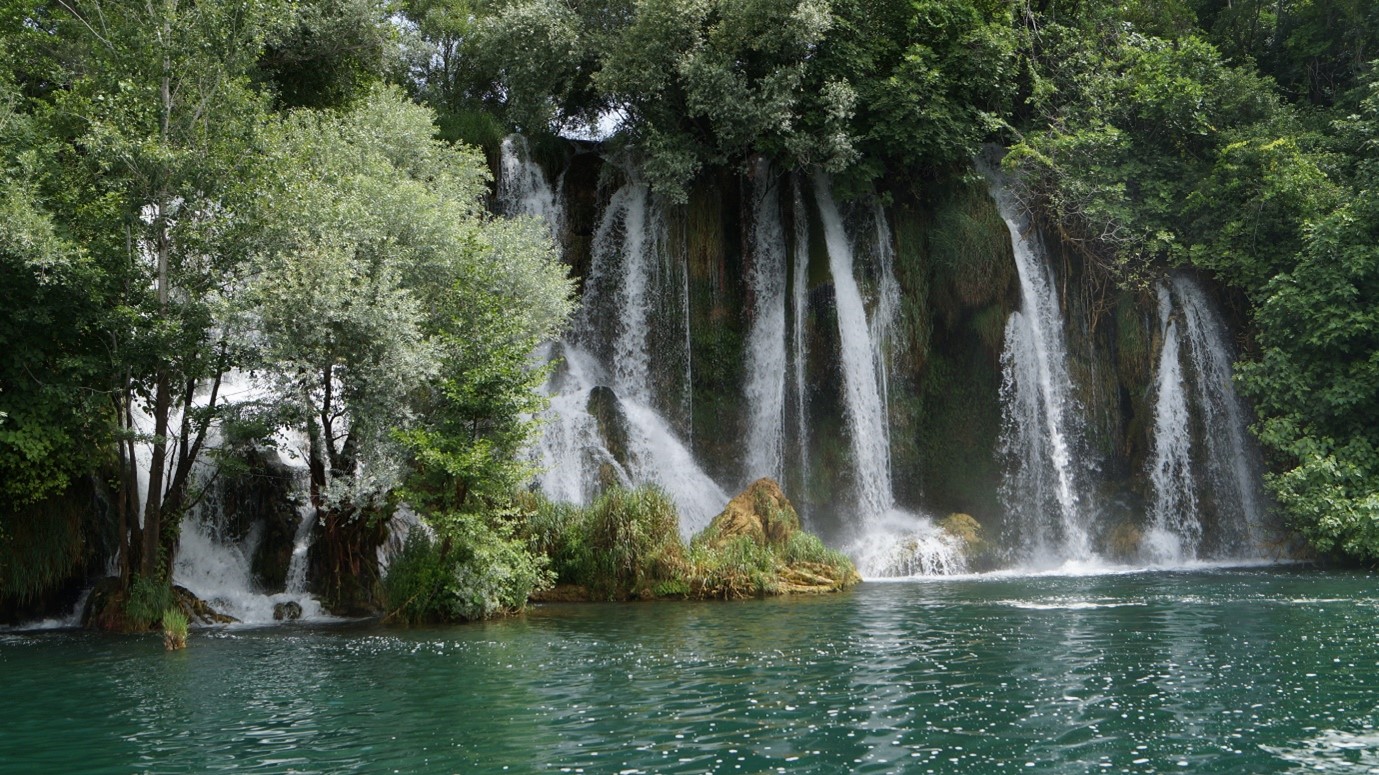
Photo by Cilia Powitz
Water beneath our feet in Croatia – groundwater
The Krka National Park of Croatia follows the Krka river from source to sea flowing through the karst limestone landscape. The source of the river is from a spring within a cave at the foot of the Krševac Hill near the city of Knin, only a short drive from Opwall’s terrestrial research base in Puljane. The zone around the source has impermeable rock which creates an phenomenon called a floating river. Typically as rivers flow along the surface there is some vertical downward flow (percolation) of the water into the groundwater system. This combination of the impermeable rock at points along with channel with the velocity of the river means percolation is reduced. The two-way directions of water creates a diversity of habitats on the surface and underground for several rare, threatened and endemic species. Incredible animals are now found in the cave systems, formed by the erosion of the karst limestone, and have evolved from their aboveground ancestors. Some main adaptations include loss of pigment, slowed metabolism longevity and accumulation of fat reserves. Most water continues downstream and topples over a series of waterfalls. The presence of waterfalls creates several microhabitats for wildlife that are not present on steadily flowing rivers. As the water plunges downwards it traps air and becomes oxygen rich, this benefits many aquatic species who either require oxygenated flows or are better off from the higher quality. Mosses, liverworts and ferns grow only in the constant mist, or birds building nests behind the protected water curtains. Waterfalls can also act as natural barriers, such as by preventing invasive species travelling upstream, to protect the sensitive species that exist only in specific segments of the river.
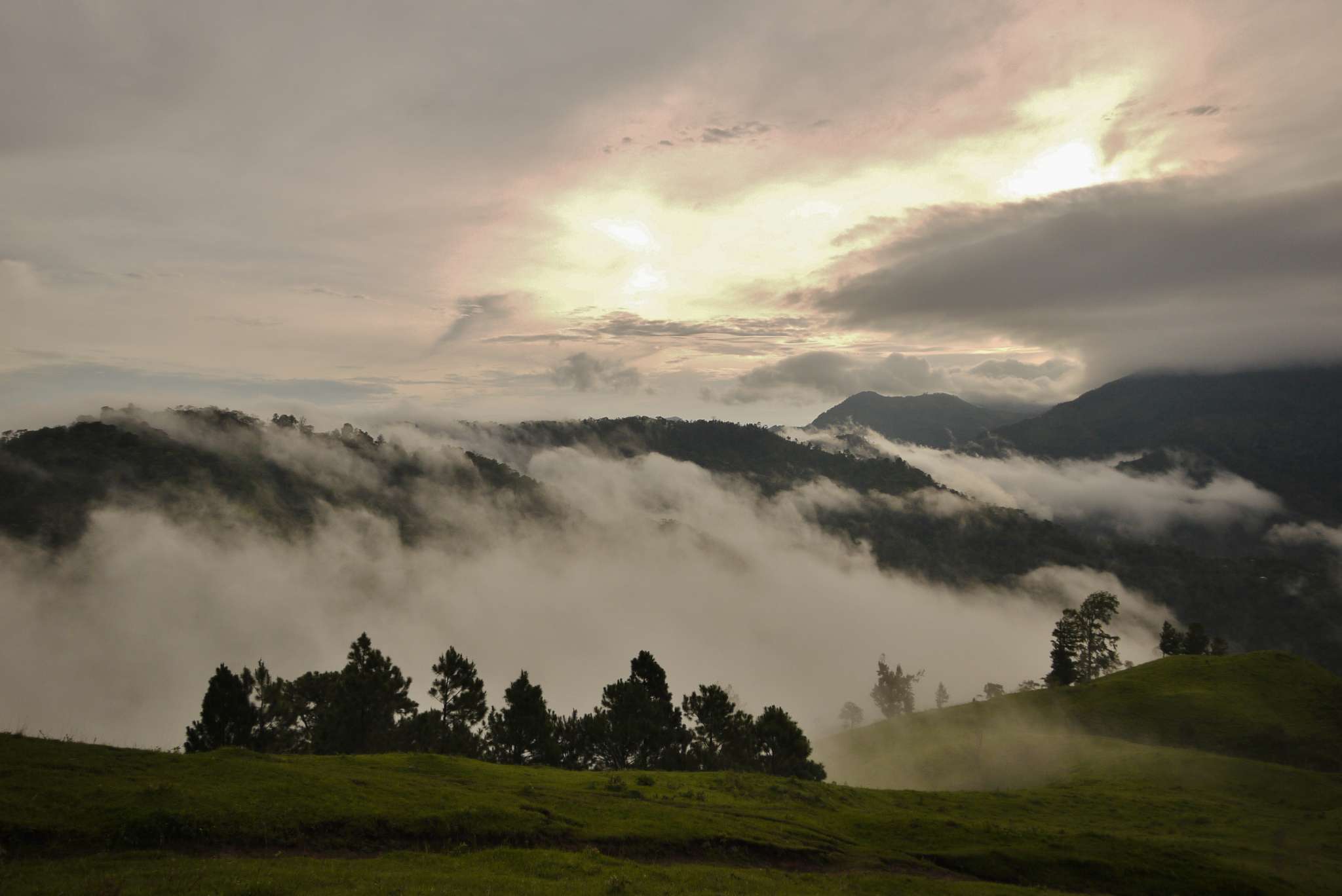
Photo by Manuel Loeffler
Up in the Honduran clouds – atmospheric water
The Honduran cloud forests are formed starting with air currents heading in from the Caribbean and Pacific coast being pushed up the mountains, cooling the moist air into persistent condensation year round. Clouds blow amongst the trees and atmospheric moisture compacts into water drops which collect within the forest through a process of lateral cloud filtration. This process increases surface water and laterally groundwater available within the forest system. The availability of water led to Cusuco National Park being established in an attempt to help secure the watershed of the landscape to supply the major city of San Pedro Sula and elsewhere in Honduras. This implemented conservation protection status allows for maintenance and protection of the environment, particularly of the forest structure which is key to helping control water retention and run-off on the steep slopes of the reserve. Across the park wildlife has benefitted and to this day has allowed for incredible long term research and pioneering discoveries. This rare hydrological environment supports a number of endemic species or species that require niche environmental conditions.
We know that water is a vital resource for habitats across the globe. You can help conserve water in your daily life by following the tips and tricks here!
Title photo by Carys Edwards


© 2026 Operation Wallacea Ltd. Website by Yello Media.
Social Media Links