
In the UK it is a common practice to feed the birds in autumn and winter to ensure there is always food available. It is estimated that over half of all households in the UK put out bird food, providing ~150,000 tonnes annually, which is a staggering amount! In 2017 this cost us £334 million in a year, while the whole of Europe combined spent £167 million.
This huge amount comes from our desire to help wildlife, but is it really helping?
Disease spreading – Due to the high density of birds visiting feeders they can become a hotspot for avian diseases. Greenfinches have really suffered from an outbreak of trichomonosis, and have had a population decline of 63% since 1993. This is mainly transmitted through contaminated bird feeders and paths, especially flat surfaces where water collects. Trichomonosis is known to affect types of pigeon, including woodpigeons and feral pigeons, but has spread to greenfinches because of bird feeders and tables. In natural conditions these species would likely not interact, and so the 63% population decline can be attributed to feeding the birds.
You should regularly clean and disinfect the bird feeder to prevent the spread of diseases, and stop feeding the birds if you spot a diseased bird in your garden. This has been advice for a long time, however most people don’t do this.

Disrupting natural cycles – Confident species such as blue tits and great tits are generalists so don’t really need feeding, however they have taken advantage of bird feeders possibly more than any others. Their aggression means they are best suited to dominate feeders as a food source, and we have artificially propped up the populations of these species through this. There is estimated to have been a 77% population increase in great tits from 1967 to 2023.
Some of our rarer species have adapted strategies to cope with a loss of food over winter, including migrating to Sub-Saharan Africa. They rely on the fact that common species that remain in the UK (such as great tits and blue tits) will reduce in number over winter due to a loss of resources, so there will be nest holes available and food to eat in the spring. However due to the huge amount of bird food available, this is not happening.
Our use of bird feeders can therefore be linked to declining populations of rarer bird species, despite our good intentions.
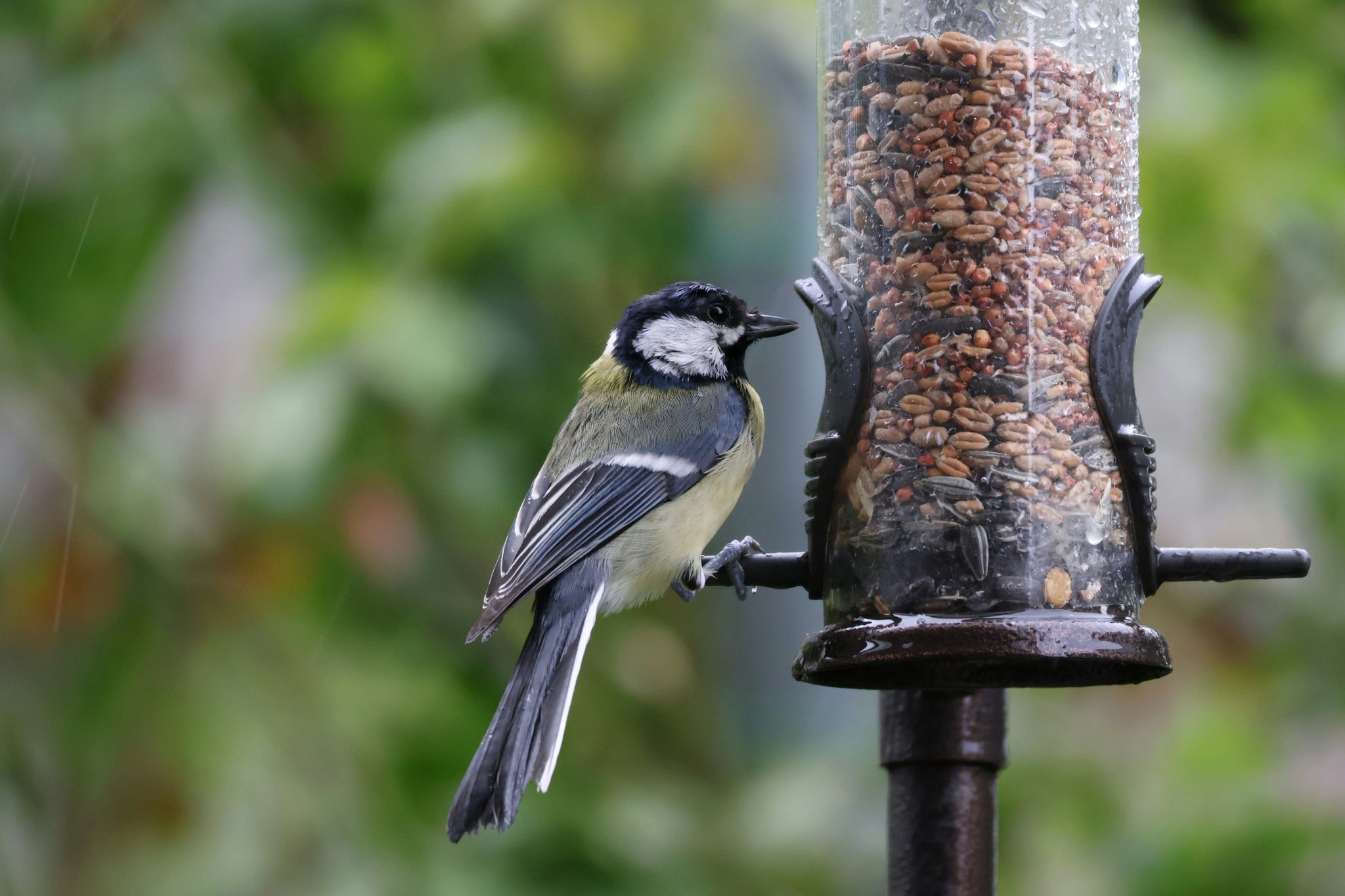
Reliance on bird food – Research suggests that the beaks of British bird species, including blue tits and great tits, are getting longer as they adapt to eating from bird feeders. The average UK great tit had a beak length than was 0.3mm longer than those measured in the Netherlands. As the individuals with longer beaks will be able to take better advantage of bird feeders as a supplementary food source they will be more likely to reproduce than those with shorter beaks who are more reliant on natural food sources. Our tendency to feed the birds is both propping up species, and causing adaptations and reliance on bird seed.
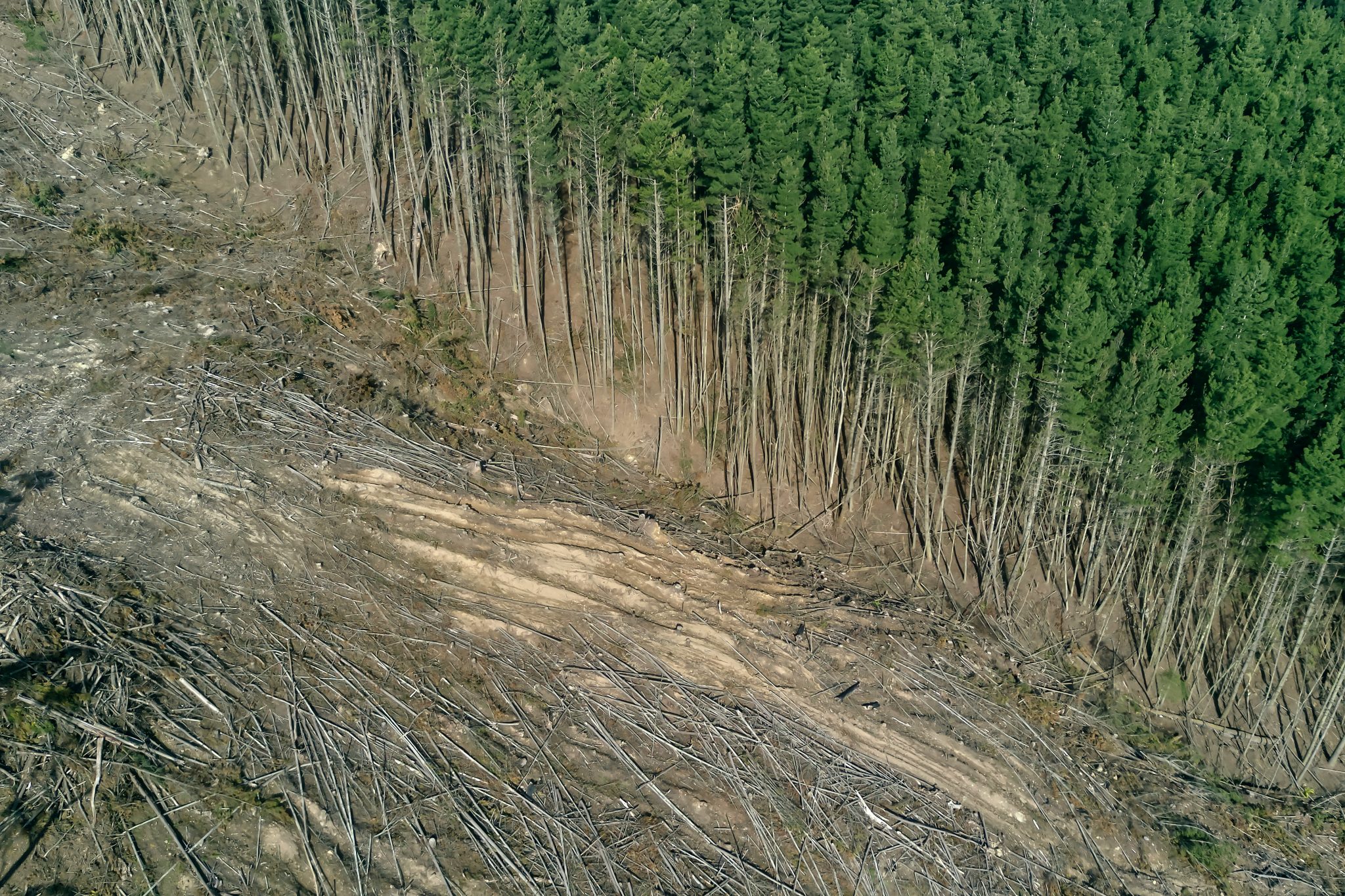
Where is bird food from? – Some bird food includes crops that are grown internationally, such as peanuts which are grown in the tropics. There are lots of airmiles associated with bird seed, giving it a high environmental impact. Additionally, as with ingredients for our food which is grown in the tropics it is often difficult to know where crops have been farmed and the history behind it. It is very plausible that some bird food is grown in deforested areas.
If you are still wanting to feed the birds, maybe consider feeding them seeds and crops grown in the UK so you know more about the environmental impact behind them.
Provide habitat with food instead – There are well-documented emotional and psychological benefits from people connecting with nature, and one way many people do this is through feeding the birds. It is important not to lose this aspect of nature connectedness, and gardening with wildlife in mind will help reduce the need for bird seed. Letting your lawn go a bit wild and planting native trees that fruit in different seasons will provide for a wider range of bird species, and well as for other taxonomic groups!


© 2026 Operation Wallacea Ltd. Website by Yello Media.
Social Media Links