
Growing some of your own food offers many benefits including fresher, more nutrient dense produce, saving money, and can help your mental and physical wellbeing while boosting sustainability by cutting transport of foods and food waste. Growing your own food teaches valuable skills including patience, food security, and can help you to eat more fruits and vegetables. However, it’s important to remember to grow fruits and vegetables that you like!
You can grow food no matter what space you have available. If you have a garden that’s great and you can choose to grow in the ground, build raised beds or grow in containers, or even do a combination.
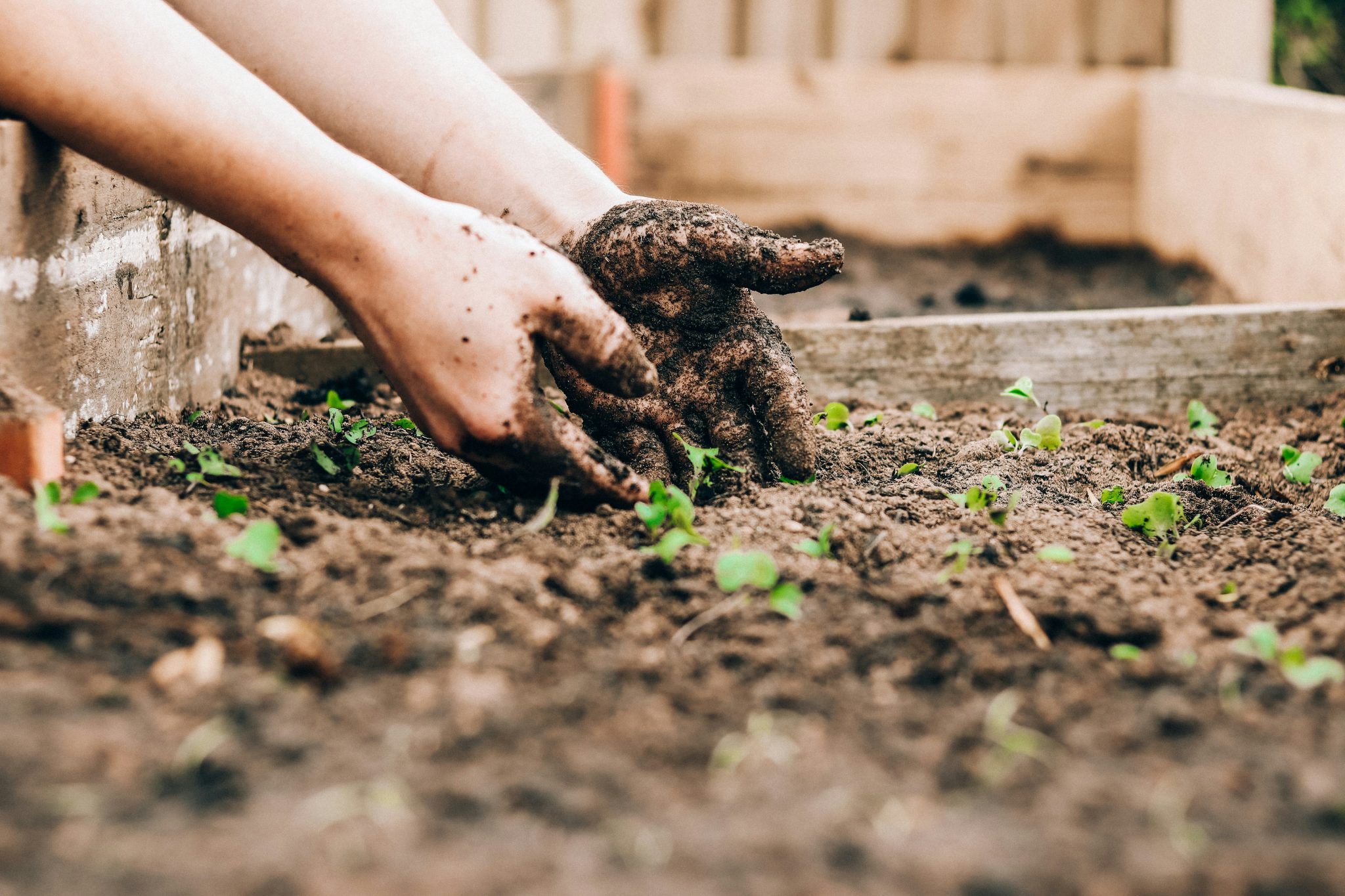
If you don’t have much space outside you can still grow food in containers, 14L buckets are an affordable option for container growing and are a great way to grow many different types of fruit and vegetables and can be used year after year. Don’t forget to drill drainage holes in the bottom of the bucket before using them. Tomatoes, garlic, cucumbers, strawberries and celery all grow well in containers as well as many, many others.
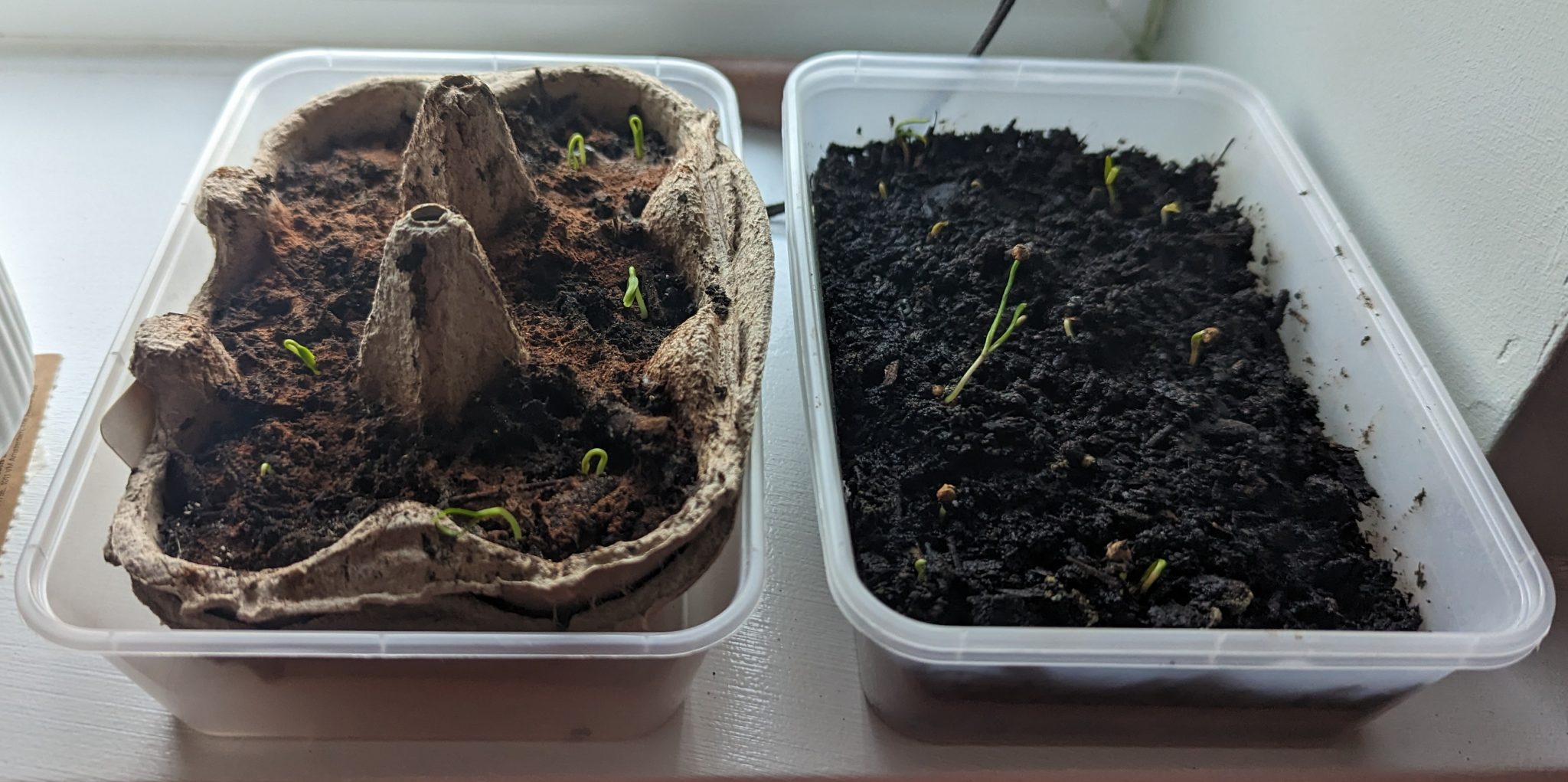
Photo by Zara Gray
However, if you do not have any outdoor space, you can still grow on a windowsill. Growing fresh herbs on a kitchen windowsill can create amazing flavour in dishes, saves money from buying them at the grocery store and reduces the food miles on the herbs you use regularly. There are even some micro tomato varieties available that you could grow on a sunny windowsill.
It doesn’t matter when you want to start getting into growing your own food, there is always a seed that can be sown. You don’t need much to start seeds – small containers (you can sometimes find these being given away for free or can be purchased cheaply), compost and seeds (plus time, patience and not too much water). You can also grow in plastic take away containers with added drainage holes as well as cardboard egg boxes/toilet roll tubes.
Let’s get this party started (from a tiny seed)
| Month | What’s in Season? | What to Grow? |
| January | · Celeriac
· Parsnip · Leeks |
Onions – start on a bright windowsill inside. |
| February | · Cabbage
· Kale · Carrots |
Chillies/Peppers – start somewhere warm and bright, these are slow to grow |
| March – start of the ‘hunger gap’ | · Purple Sprouting Broccoli
· Radishes |
Basil seeds – start somewhere bright and warm, this is a great addition to many meals. |
| What is the ‘Hunger Gap’?
The ‘hunger gap’ is between March and May and is traditionally when winter-stored root vegetables (traditionally stored in a ‘root cellar’) start to run low and the new summer crop is not quite ready; this is caused by the colder soil temperatures and shorter daylight hours which limits plant growth. This is the natural lull in homegrown produce. |
||
| April | · Rhubarb
· Asparagus |
Mint – start indoors. However, if you plan to grow this outside bear in mind that this grows and spread easily. |
| May | · Rhubarb
· Beetroot · Radishes |
Pumpkin seeds – if you want a pumpkin to carve for Halloween. |
| June | · Cherries
· Gooseberries · Cucumbers |
Courgettes – start outdoors, however these grow well and can create a glut of courgettes so be careful how many you sow!
It’s amazing how many recipes you can find with courgettes in when you need to use them up. |
| July | · Blackcurrants
· Raspberries · Strawberries |
Lettuce and spinach – grown somewhere more shaded these can be a great addition for summer salads. |
| August | · Apples
· Leeks · Tomatoes |
Cauliflowers – start now ensuring these are under a butterfly net to prevent caterpillars eating the seedlings/plants |
| September | · Blackberries
· Plums |
Radishes – can easily be grown in containers and are a quick crop |
| October | · Apples
· Pears |
If you are unable to grow an apple tree yourself, speak with people in your local area to see if you can swap produce so you can enjoy some locally grown apples. |
| November | · Sloes
· Brussel Sprouts |
Broad beans – starting now means these could be ready for a spring crop. |
| December | · Pumpkin
· Swede |
Onions – start these now on a bright windowsill and these can grow slowly until spring. |
You don’t have to grow everything, growing one or two items still makes an impact to your food footprint, as well as being good for you overall.
We are just going with the flow (of the seasons)!
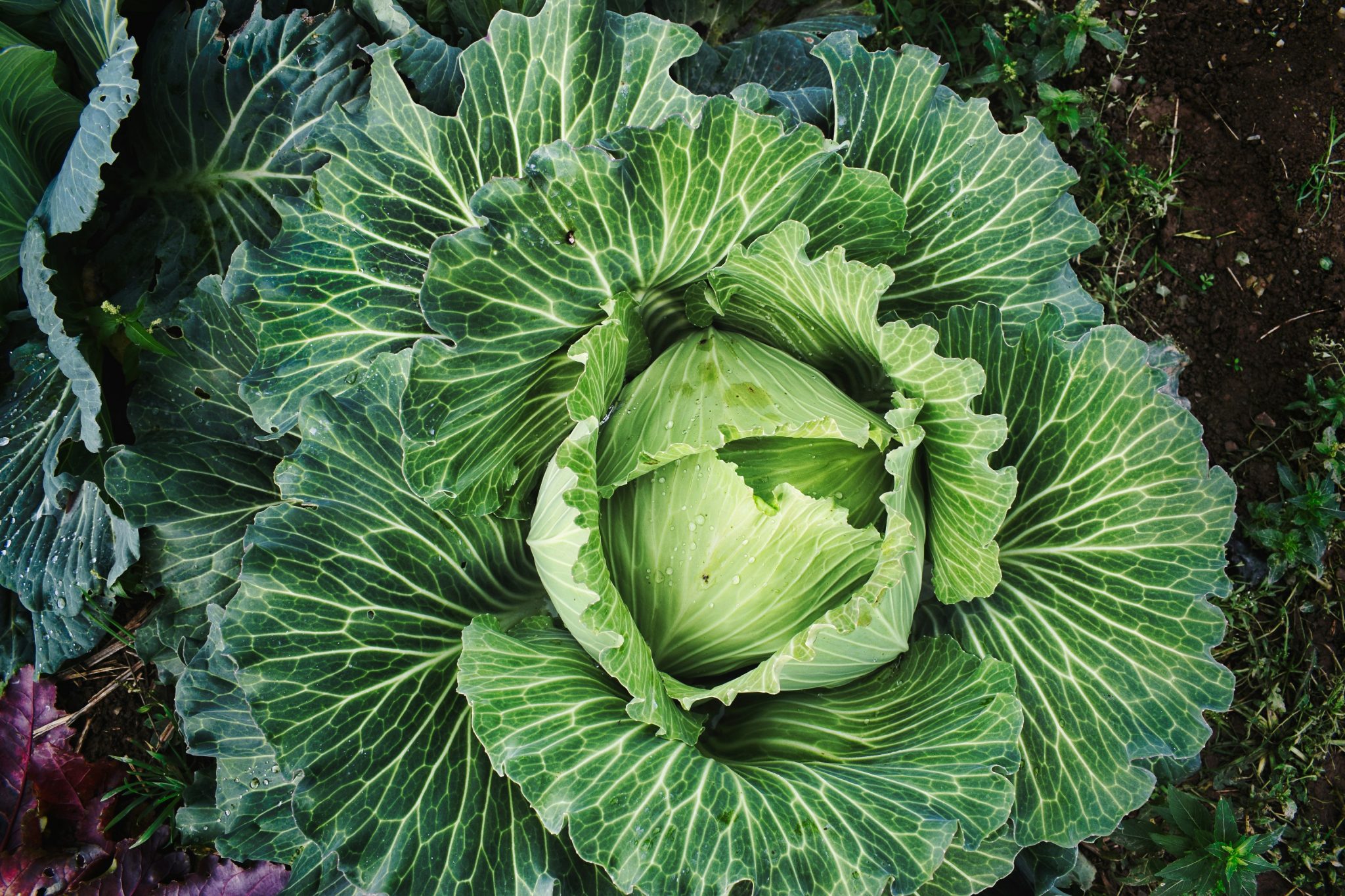
There are many benefits to eating seasonally. As well as produce containing higher levels of vitamins, minerals and antioxidants these also help to support brain chemistry and gut health, which can make you feel better as they are an important factor in mood regulation. Eating seasonal foods helps to align your body with the seasons, helps to support your circadian rhythms (the body’s internal rhythms) and can also help to promote a healthy gut microbiome. It can also help to encourage a slower and more thoughtful approach to the foods that you buy and consume which can then create an appreciation for fresh foods and a deeper connection and understanding of the natural world.
Seed ya later, it’s thyme to garden!


© 2026 Operation Wallacea Ltd. Website by Yello Media.
Social Media Links