
Short answer: No, not yet, BUT this is a question of when. Let me break it down first by giving some context to the issue of ocean plastics.
The last hundred years are attributed as the main period of ocean plastic pollution. This started with the creation of the first synthetic plastic in 1907, ‘Bakelite’, developed by Leo Baekeland. Roughly 15 years later, the polymer age came into fruition. With this age came the development of *Enter Main Culprits* Polyvinyl chloride (PVC), Polystyrene, Nylon, and Polyethylene. At the time, plastics were marvelled at as a cheap material which was key to mass production across many different industries, which brings us to where we are today.
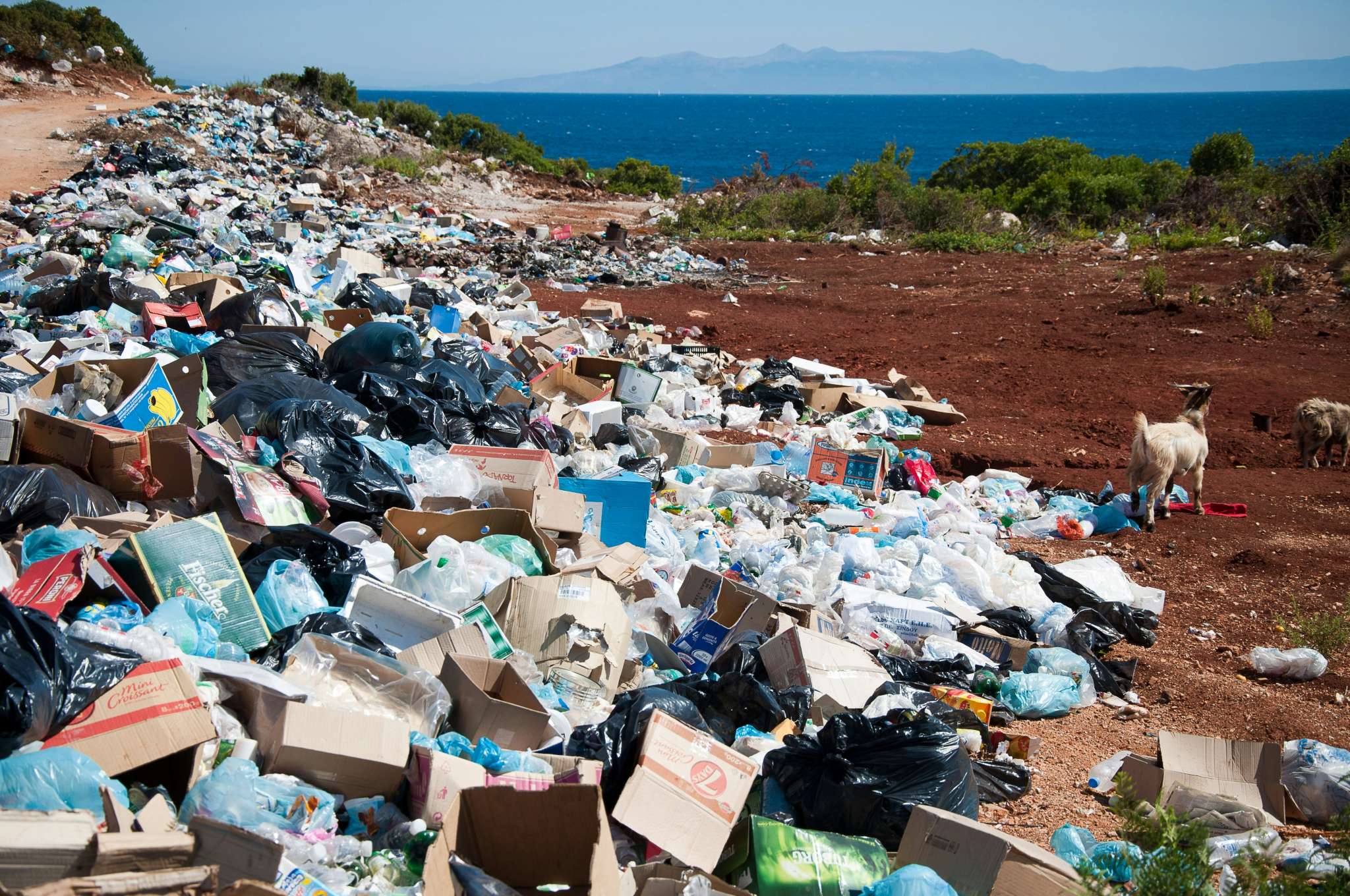
Rather unsurprisingly, it is suspected that ocean dumping has been a terrible habit of ours for a lot longer than anyone would care to report, but the first research into the issue occurred in the 1960s when it was realised that more than 100 million tons of waste had been dumped into the ocean. The issue only became more obvious when, in 1957, a trawl line got tangled up on a ‘Continuous Plankton Recorder’ (CPR). This happened again in 1965 when a plastic bag got trapped in another CPR. Shortly after, the effects of plastic pollution on marine wildlife were observed when reports of seals entangled in fishing lines emerged. Now, I’m sure we’ve all seen the extent of the effects of pollution on marine wildlife. The heartbreaking photos of turtles stuck in beer can rings and plastic bottle cap rings entangled in seabird beaks are not easily forgotten. So, who is responsible for all this?
The largest contributor to ocean waste is the packaging industry, which utilises single-use plastics to cheaply ship products globally. These plastics tend to end up in rivers and storm drains and are eventually washed out to the ocean. This is how 80% of ocean plastics get to the sea. Staggeringly, only 0.5% of all plastic waste ends up in the ocean as humans produce 350 million tons of plastic waste each year. It’s hard to estimate the exact amount, but studies put the annual plastic ocean pollution rate at 1 – 2 million tons annually (https://ourworldindata.org/plastic-pollution). Studies have also shown that 25% of plastic waste is mismanaged, i.e. lost, not recycled or illegally dumped. So, make sure you check that packaging is recyclable before chucking it in the general waste.
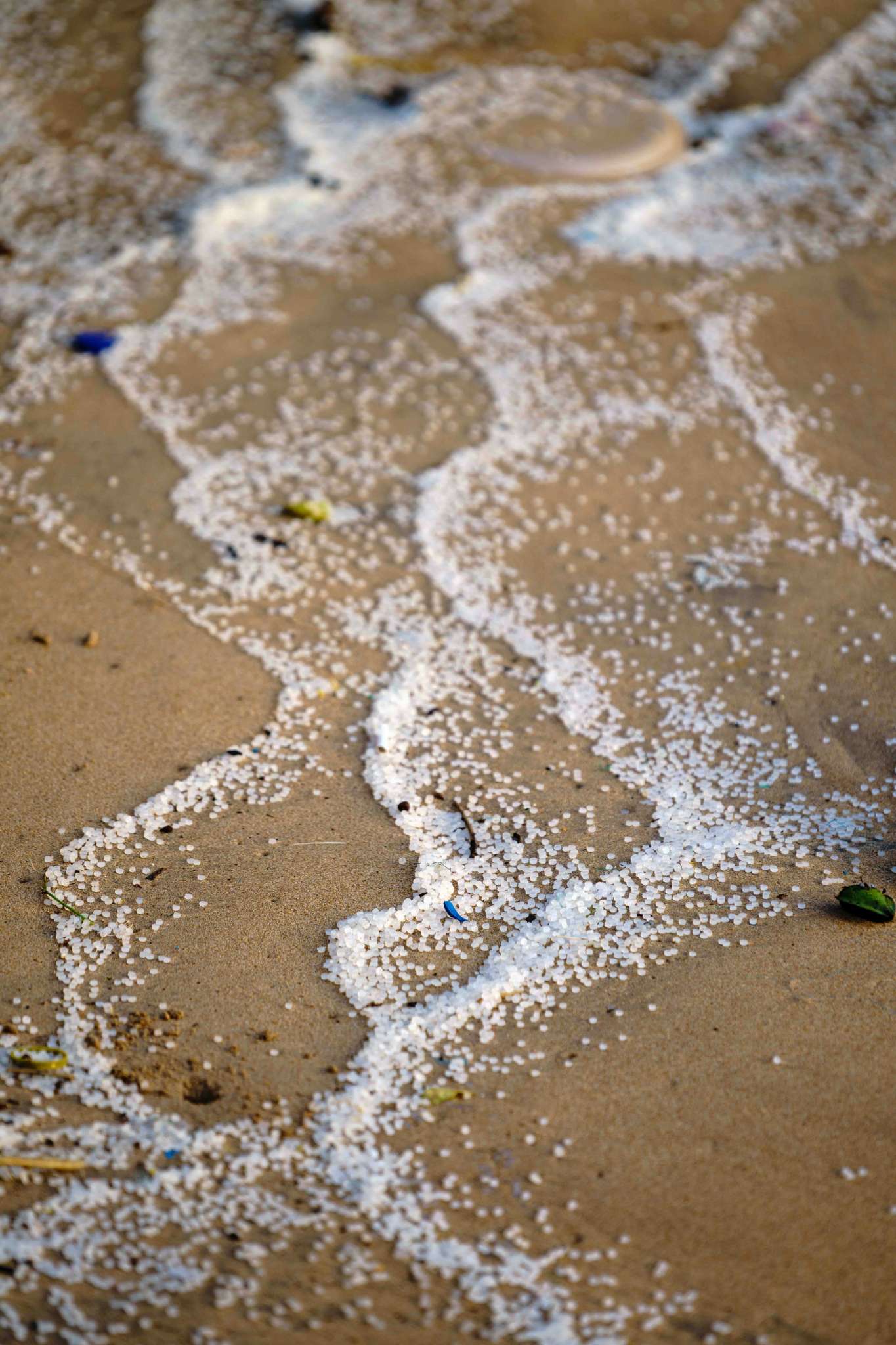
This has also led to a steep rise in microplastics. Polymers, which plastics are made up of, do not naturally decay; instead, they break down into smaller pieces called microplastics. A lot of studies are currently underway to understand the effect of microplastics on both the environment and us. It is now widely believed that microplastics are inside all of us due to food chain contamination. The effects of this material in our bodies are still unknown, but studies are starting to draw correlations to microplastics being contributing factors in the likelihood of developing diseases such as cardiovascular disease.
So, where does this leave us regarding the original question? Well, as I said, plastic waste does not currently outnumber fish in the ocean, but at the current rate of pollution, this scenario is predicted to occur by 2050. If it does we will see massive disruption to marine ecosystems. Marine life often mistakes plastic for food and can choke on it or ingest it, but are unable to digest it, which will cause a lot of shrinkage in fish populations. Disease also appears to already be a prominent side effect; corals have an 89% chance of contracting disease when encountering plastic debris. Microplastics in our food and water will only go up and cause high disease rates in humans and animals.
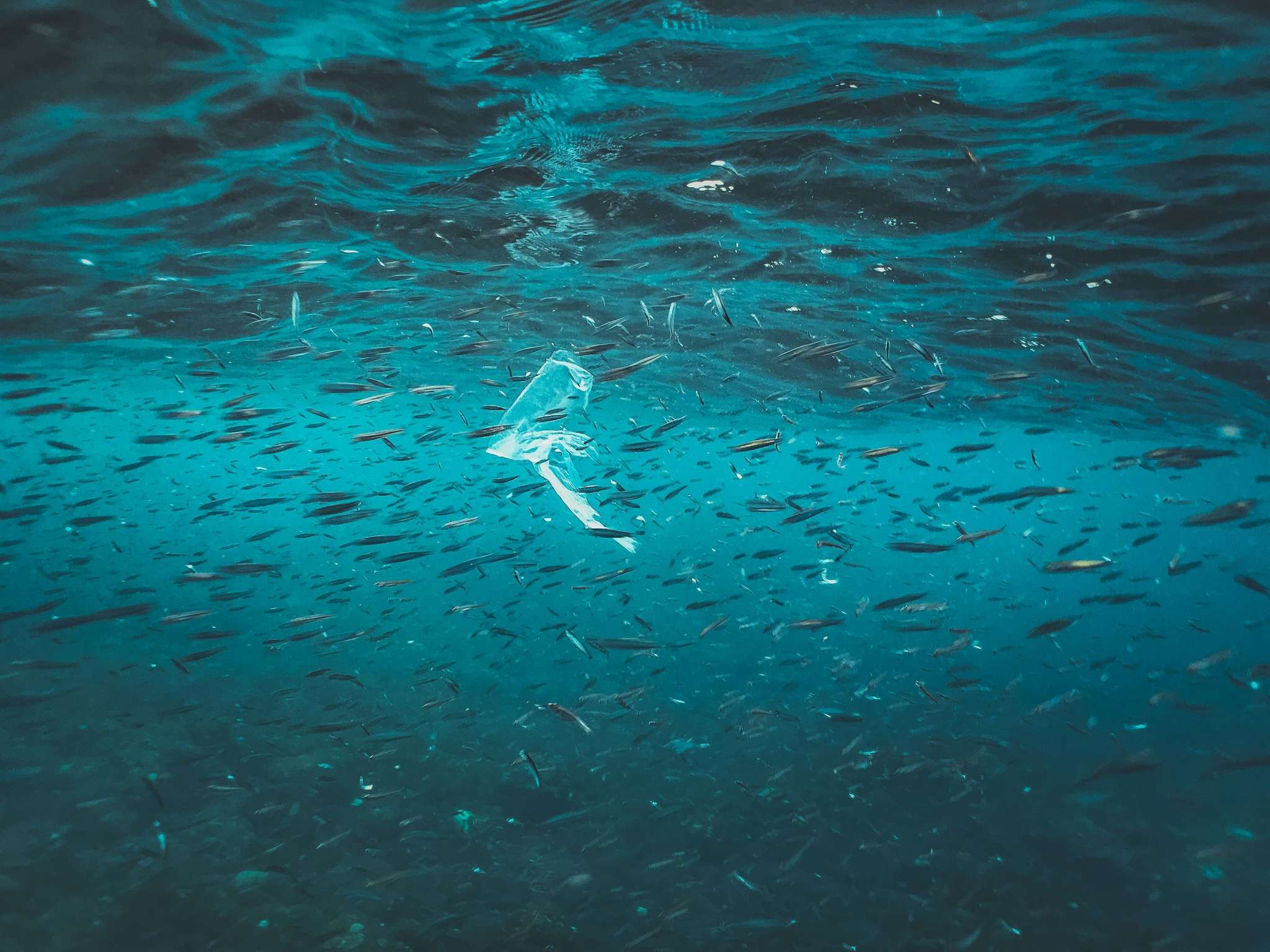
So, are we all doomed?
No, a lot of studies are currently ongoing, trying to figure out how to reduce plastic waste and microplastics, but that doesn’t mean we shouldn’t try and do our part to make a difference. Small changes in lifestyle are really beneficial when tackling massive issues like these. One small change you can make is to try to reduce your reliance on single-use plastics. An example of this is, instead of buying meal deals for lunch, try bringing your own in reusable tupperware (most local supermarkets now sell a glass alternative, which is even more environmentally beneficial). You could also invest in reusable coffee cups, buy bar soaps instead of bottled soaps, or even take the big step and embrace paper straws. There is always something you can do to improve our chances of solving this issue, from signing petitions to participating in ground clean-ups or beach litter picking; it all makes a difference. The first stepin tackling anything like this is awareness, so why not take the first step now and share this article with your friends, family and colleagues to get people thinking about what they can do about it.
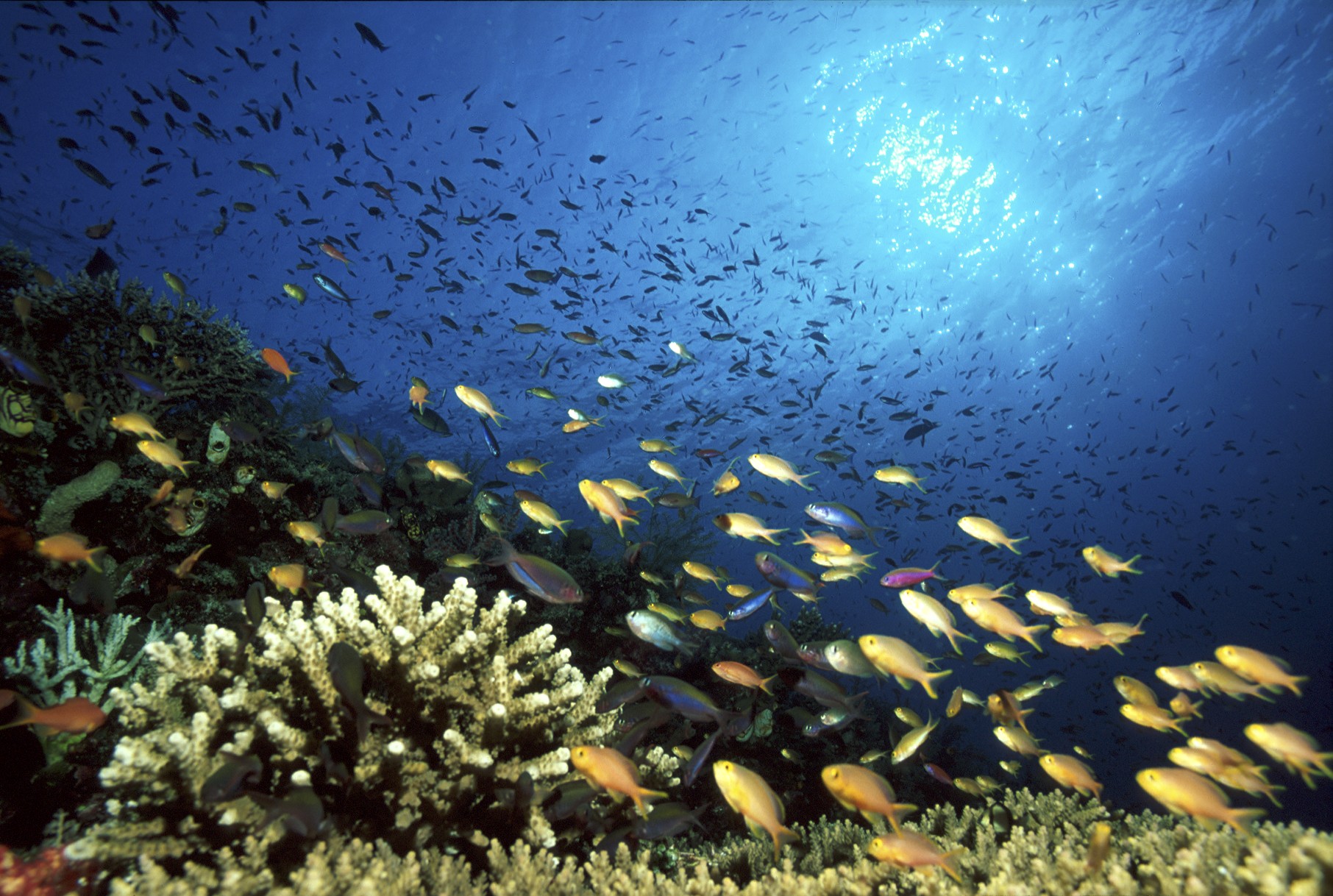
Photo by Adam Powell
Here are some links to organisations on the front lines where you can get involved:
Finally, the photo below shows Opwall volunteers undertaking a beach clean on Silba Island to protect this ecosystem from plastic pollution as part of their marine expedition to Croatia! If you want to get involved follow the link to find out more!
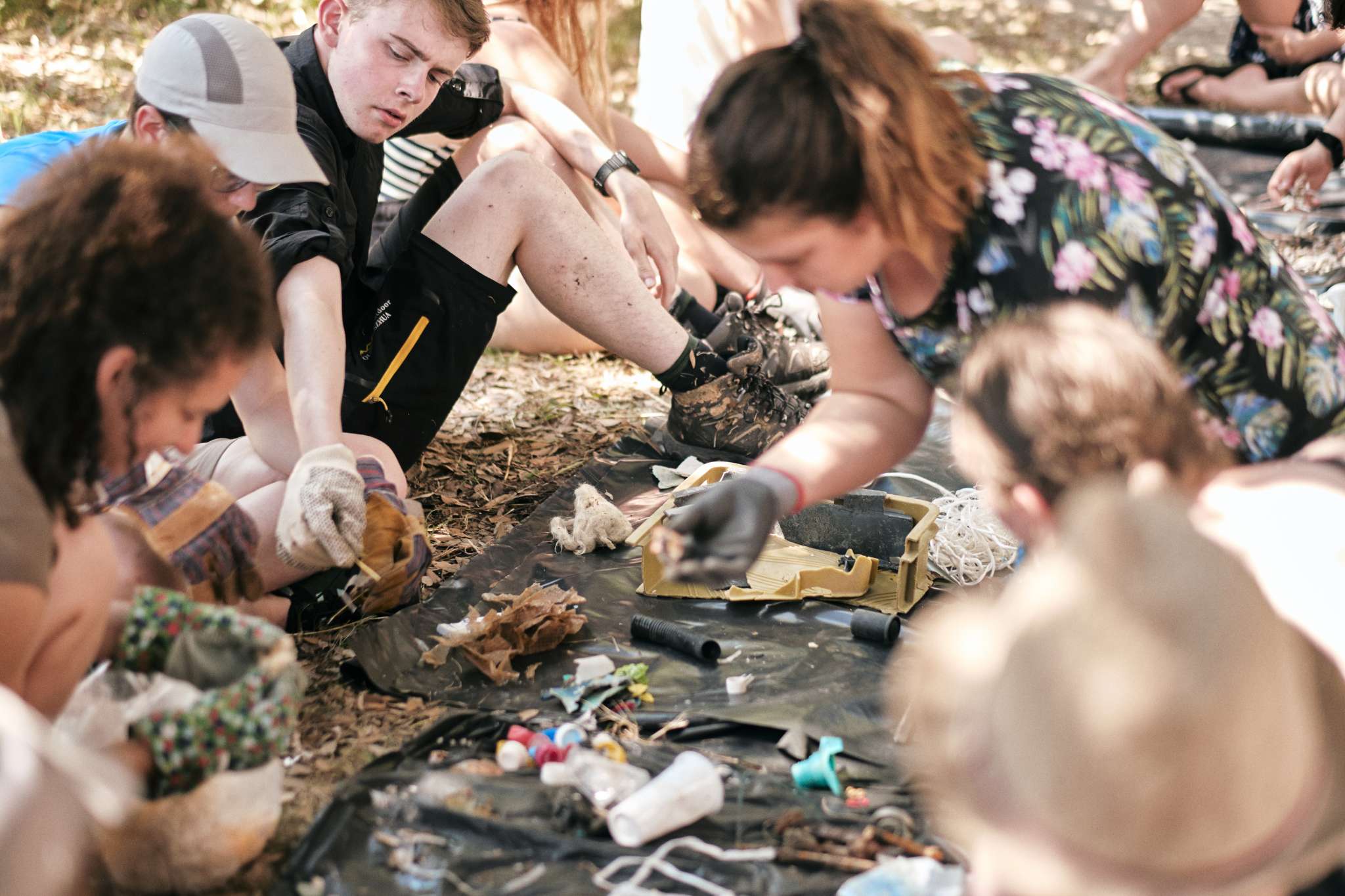
Photo by Shearer Shez Viljoan


© 2026 Operation Wallacea Ltd. Website by Yello Media.
Social Media Links