
Winter can be a tough time of year for wildlife, with hibernating species looking for shelter and food hard to find. How can we do our bit to help?
1. Make a wood pile
If you do any pruning in your garden, don’t just throw the branches you remove away. Pile them up as a shelter for invertebrates and newts to hide away in. The key here is messiness – we have a real habit of trying to make our gardens neat but this isn’t what wildlife wants! Pile up a variety of sized branches to make the perfect cozy wildlife hiding spot.
Also, avoid turning your compost heaps over winter as this can disturb any wildlife snoozing inside. Compost heaps are popular spots for wildlife as the decomposing matter produces warmth. Wait till spring to move your compost.
2. Plant spring flowering bulbs
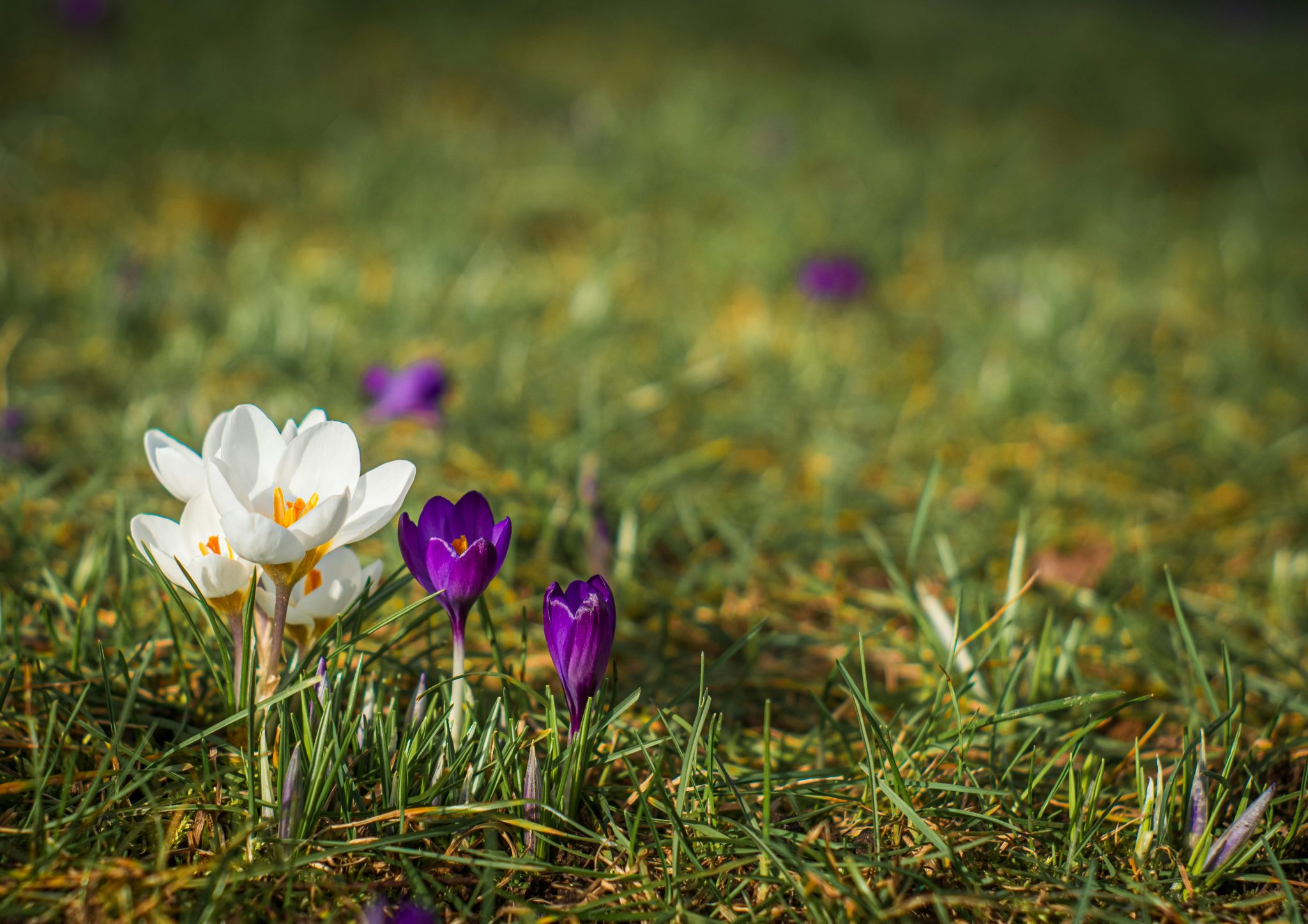
Get a head start and plant some bulbs that will flower in spring. Find native species to ensure pollinators will make the most of your efforts, and make sure you buy these rather than take them from the wild. Choose a sunny spot, and plant a few species that will flower at different times across the season. Bluebells are early flowering, lavender is mid-season and common sunflowers are late. Look online for other species to diversify further, and consider mixing in some herbs too. Maybe find some night-scented flowers to provide for moths as well! Remember, the trick is messiness. Don’t plant them in neat rows, consider planting in small clusters to help insects find the flower they are looking for.
3. Clean your bird feeders
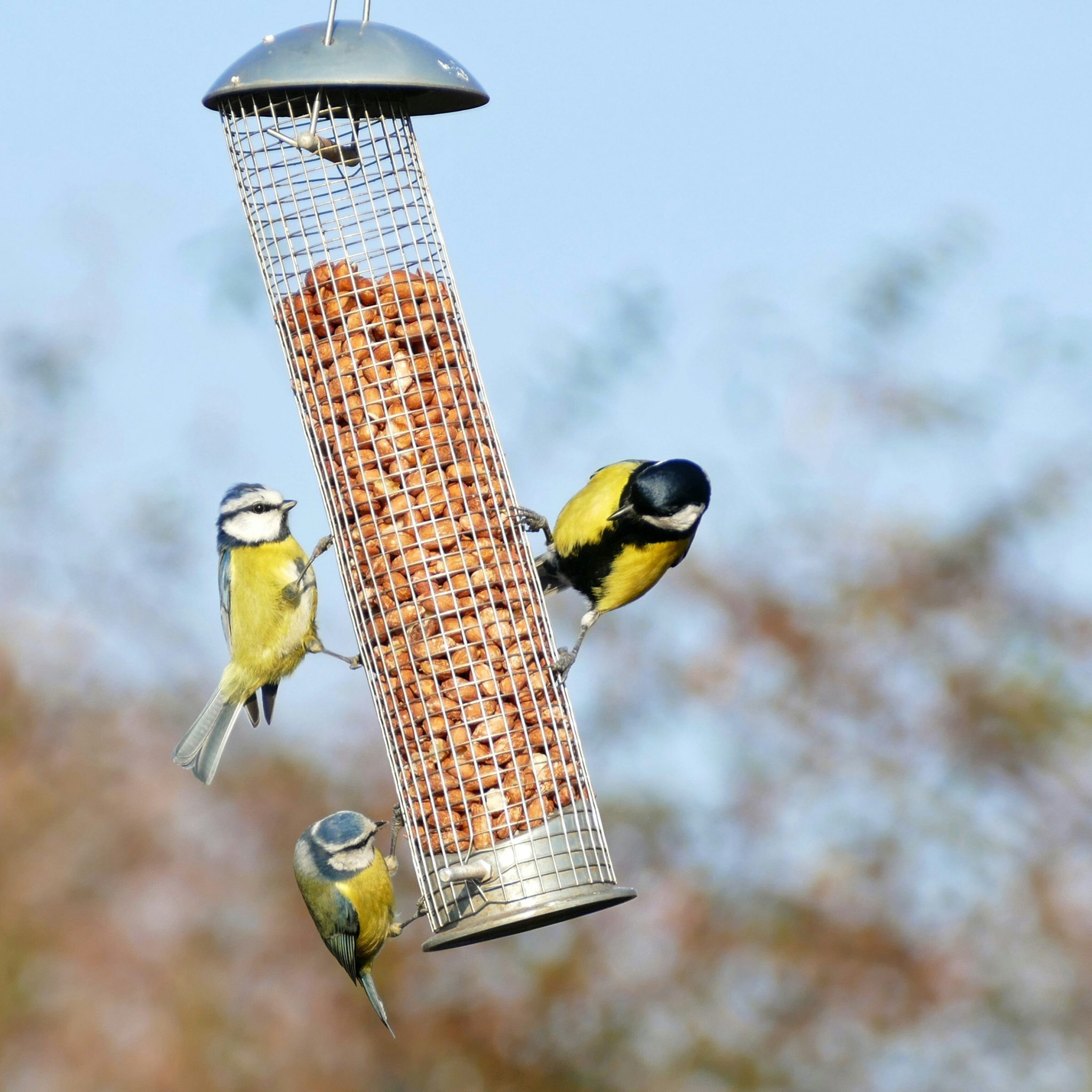
If you are going to feed the birds then it is important to ensure that feeders are kept clean to avoid spreading diseases such as trichomonosis. Regularly clean and disinfect your feeders, and keep an eye on the birds that are visiting your garden. If any look ill then you should stop putting food out to avoid any diseases spreading via your feeder. Bird tables and water baths should also be cleaned, and winter is the perfect time to clean nest boxes, or to put some up ahead of breeding season in the spring.
4. Introduce some water
Water features like ponds and wetlands are really important for a variety of our wild species. Amphibians use these for shelter over winter, and as breeding areas in spring. Birds like to bathe in ponds, and some bat species hunt invertebrates over water. Over winter these water sources become difficult to find, so providing a shallow damp area in your garden that has rough edges (ensuring wildlife can climb out again) is a huge help. Remember to check if it has frozen over on particularly cold days, and pour some hot water on the ice to help thaw it.
5. Plant a hedge
Creating areas of shrub or hedge made up of native species can provide both shelter and a food source for a range of species. Avoid single-species hedges and instead consider planting several different species to provide a year-round food source. Good suggestions include blackthorn, hawthorn, honeysuckle, bramble and dog rose. Using native species is important, so make sure to research suitable species and how to best manage them.

6. Do nothing!
Over winter, sometimes all you want to do is stay inside, cozying up under some blankets with a mug of hot chocolate. Great news – you can help wildlife by doing so!
Our tendency to want to tidy our gardens can often be really unhelpful for wildlife. Leaving fallen fruit and leaves on the ground instead of sweeping it up provides lots of food and shelter for a range of species. They also return nutrients to the soil as they decompose, supporting our soils. Leaving the seedheads from grasses and flowers is also great for invertebrates and birds, and deadwood from any fallen trees is amazing for a whole host of different species as it rots down.
In winter, laziness is brilliant for supporting wildlife! So return inside, grab the blanket, and leave the garden alone!


© 2026 Operation Wallacea Ltd. Website by Yello Media.
Social Media Links