
Spring is a brilliant time of year, when the flowers start blooming and the lambs start skipping across the fields! We can do our bit to support wildlife at this time of year too, so here are some ways to give nature a hand as we move into spring.
Pollinators are so important for our ecosystems, and we can support them by planting native wildflowers. Even a small area of flowers in a small pot or window box can attract a range of pollinators such as bees and butterflies. Wildflower seedballs are easy to scatter, but if you want to choose the plants yourself make sure you select native flowers such as teasel, hollyhock and honeysuckle. If flowers are left to go to seed it also provides foraging opportunities for bird species too.
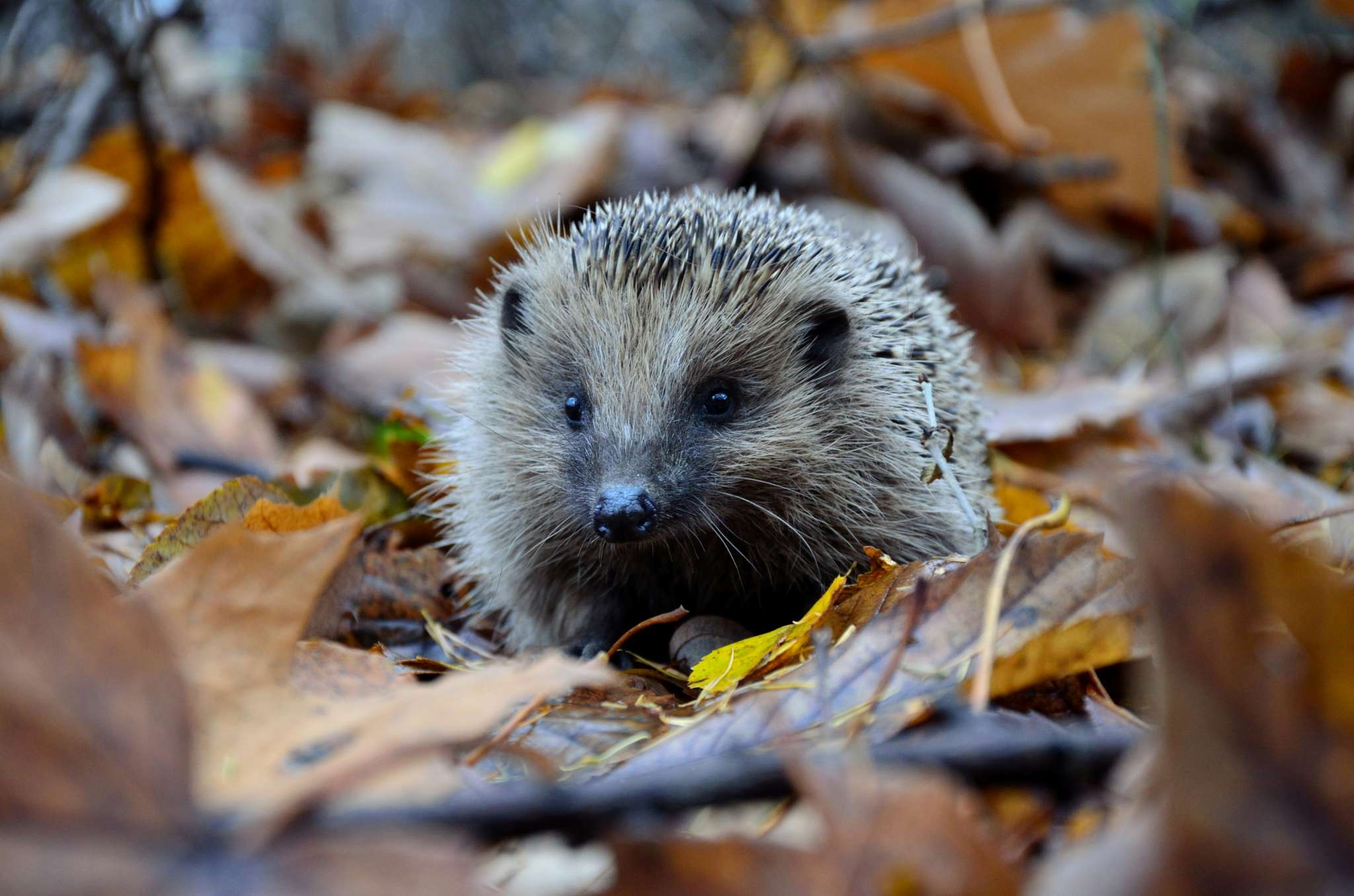
Hedgehogs are a species that have been steadily declining in the UK, and a large factor is the lack of connected habitats now. As they are coming out of hibernation we can give them a helping hand by installing a “hedgehog highway” in garden fences. Cut a roughly 13cmx13cm gap to allow them to travel between gardens, and encourage your neighbours to do this too. This will help them to find food and regain weight after a long winter.
Remember that it’s key to regularly clean bird feeders and baths throughout the year to stop the spread of diseases like trichomonosis. If you notice any ill birds stop putting bird food out. Have a read here if you’re interested in why some people have stopped using bird feeders – https://www.opwall.com/article/should-we-feed-the-birds/
Think about installing some nest boxes ready for breeding season! Give these a good clean if they’ve been used before, and consider installing several next boxes of different shapes and in different locations, as these will suit different species.
Additionally, you can help provide nesting materials for the birds’ new homes. Provide a selection of materials to support a variety of species. Suggestions include moss, feathers, twigs, leaves and straw, and having a muddy pond edge is also useful for species such as swallows and house martins which use mud to build nests.
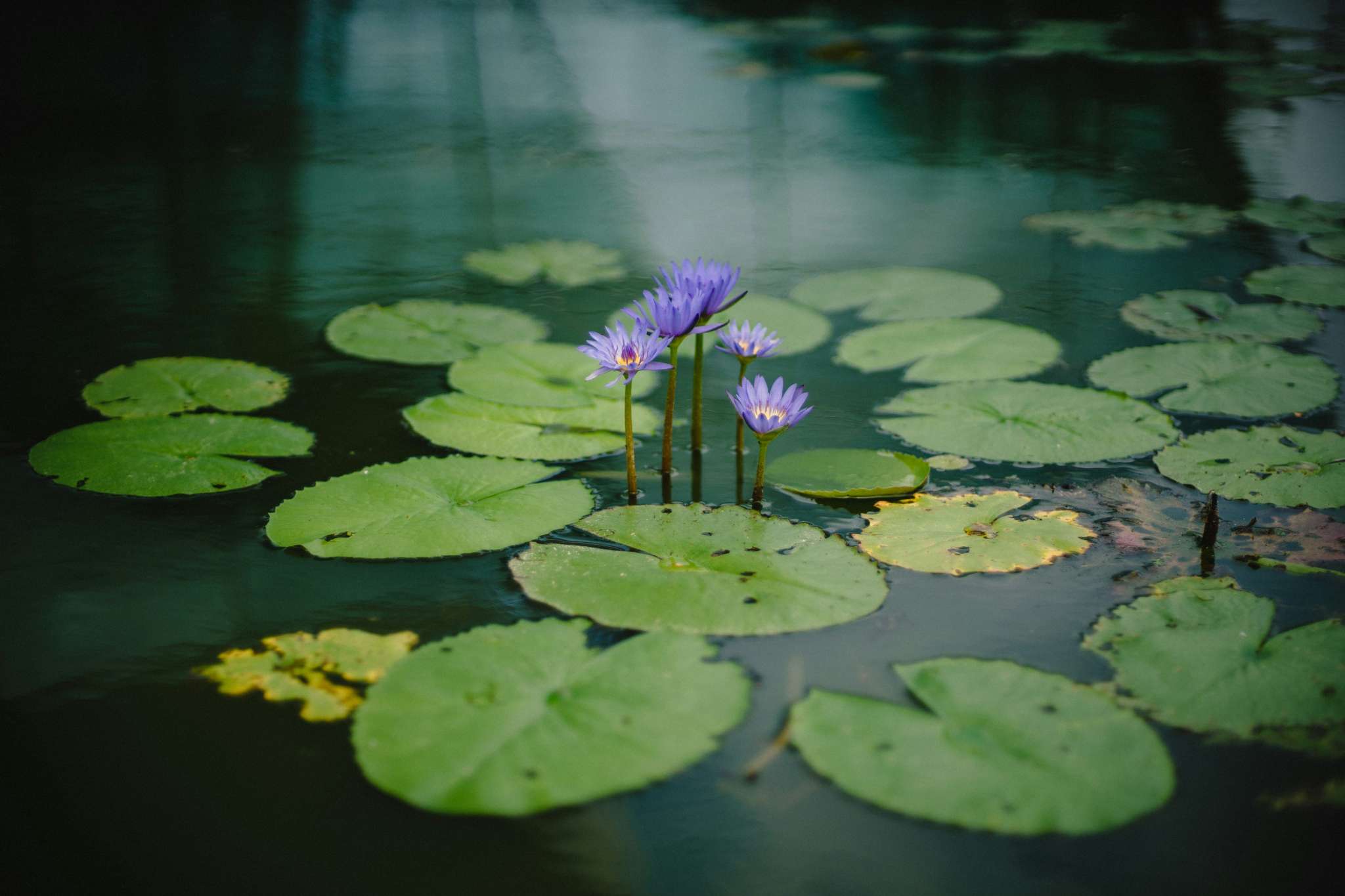
Providing a source of water can support a huge range of wildlife from amphibians, birds, bats, mammals and invertebrates! If you have space then feel free to go big, but even a plant pot full of water is useful! You could bury it in the ground or else provide access up to it, as long as you provide exit points using stones or wood. Make sure there is at least one side in the shade, and choose a couple of aquatic plants to put in the pond as well.
Wood piles are great for hibernating species over winter, but also provide shady hiding spots as the weather warms up. They are great for invertebrates, which also makes them brilliant hunting areas for other species. Try to not make a neat pile as nature loves messy spaces, and take care to partially bury the bottom logs into soil to keep them damp.
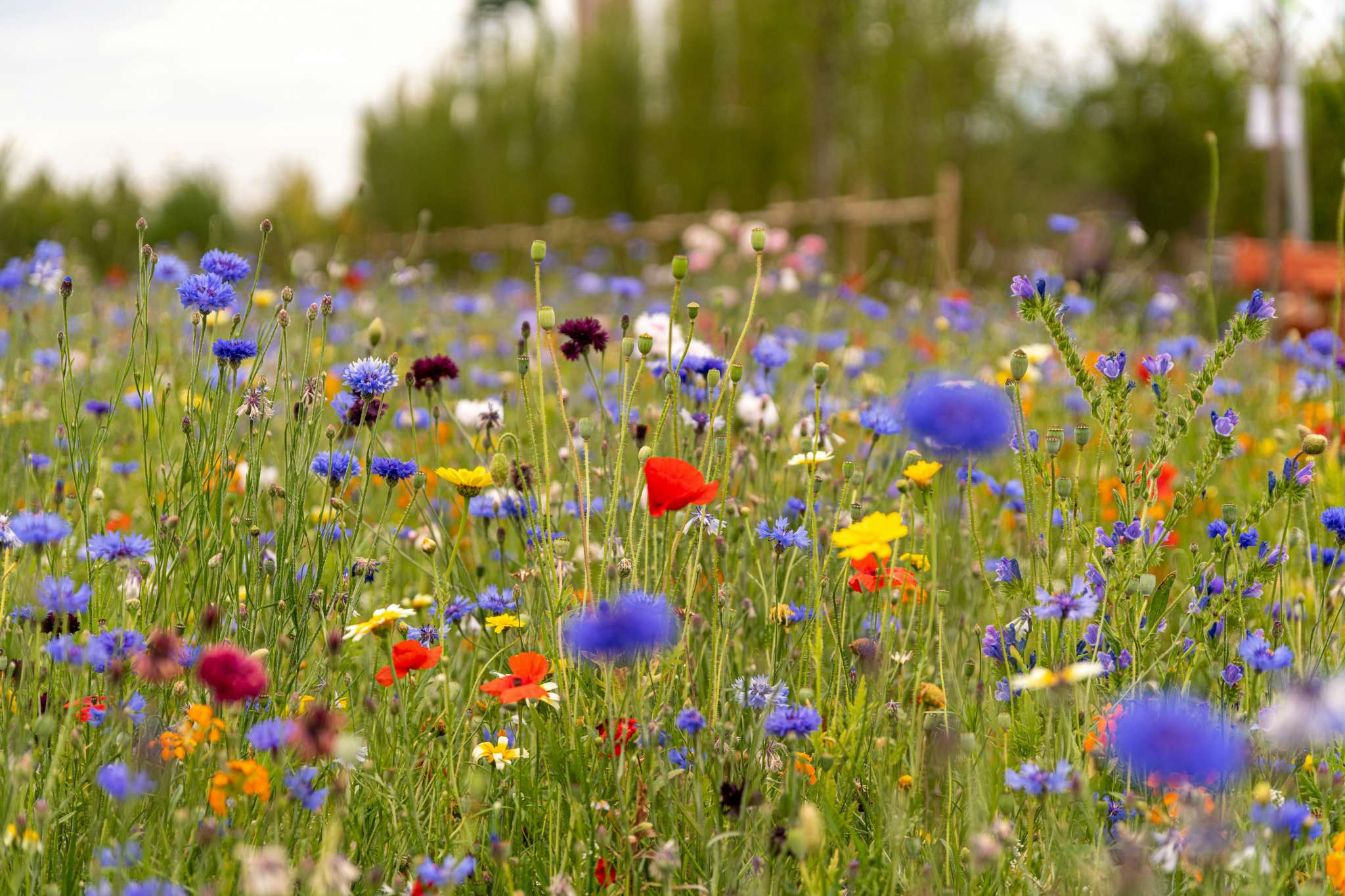
The longer the grass in our lawns, the more diversity it is home to! Invertebrates benefit from longer grass, and common grassland plants like dandelion, plantain, daisies and clover provide additional food sources. Could you support wildlife by waiting a couple of extra weeks to do your first mow of the year, or could you take part in Plantlife’s No Mow May campaign? You may be surprised at the difference you notice for wildlife in your garden, that comes from taking mowing off our chores list!
See advice for a different time of year below!
Winter – https://www.opwall.com/article/how-to-care-for-wildlife-in-winter/


© 2026 Operation Wallacea Ltd. Website by Yello Media.
Social Media Links