
My origin story is much the same as many zoologists these days: David Attenborough documentaries during my formative years. Mesmerised by the species on screen and the wild, remote environments they called home, I knew I wanted to see and experience it all for myself. So, applying for an undergraduate degree in Applied Zoology and Conservation in Cornwall, I began working towards the research conservation career that lit up the eyes of ten-year-old me.
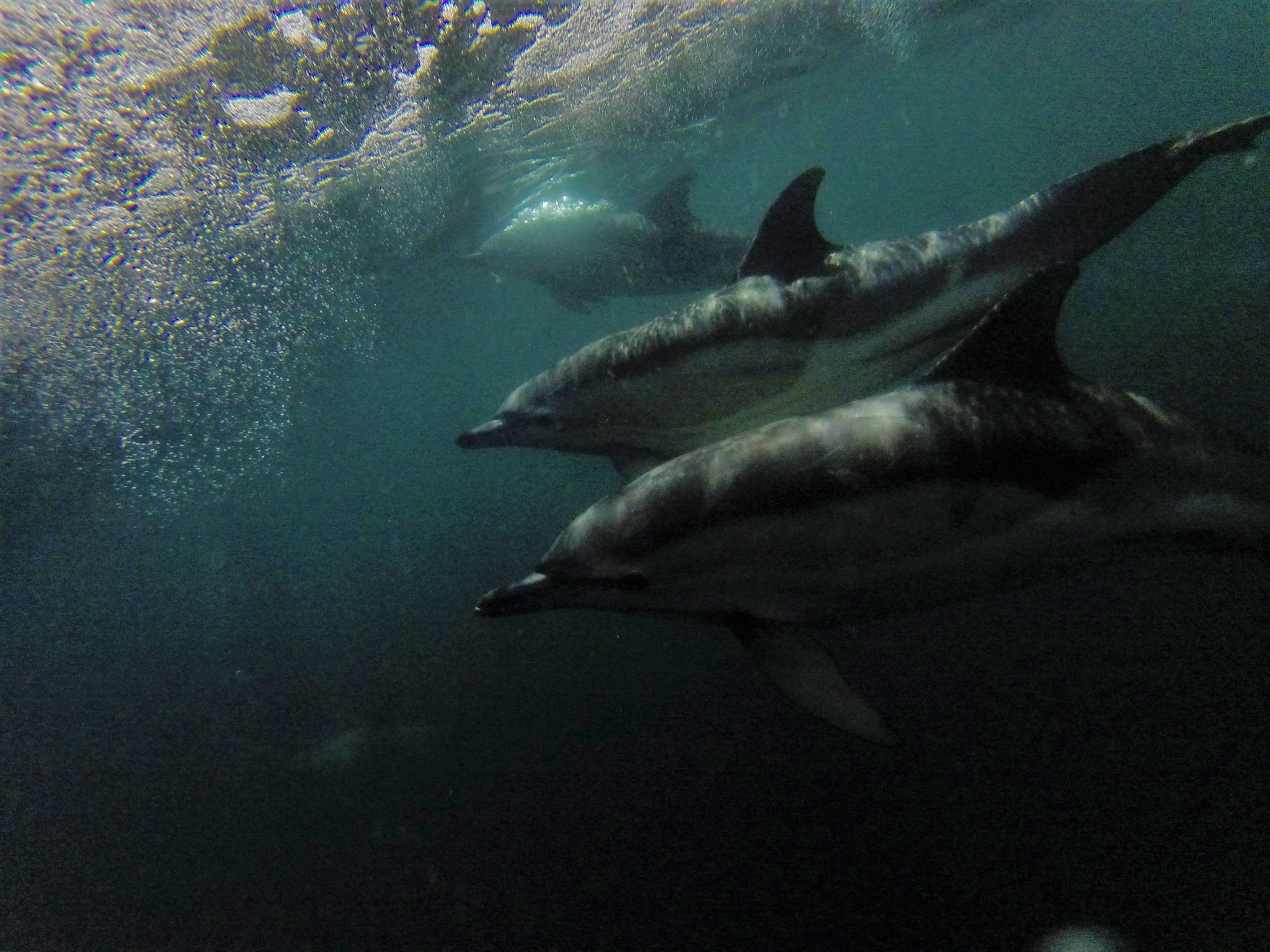
During the summers of my undergraduate degree, I worked as a wildlife guide for Padstow Sealife Safaris. This involved taking tourists out on boats, delivering talks on local marine life, discussing the threats they face — and telling truly fantastic dad jokes. It was on these trips that I first encountered dolphins in the wild, sparking a fascination with cetaceans that would steer much of what came next.
That fascination led me to a position with the Sea Watch Foundation, studying the population dynamics of the resident bottlenose dolphins (Tursiops truncatus) in Cardigan Bay, Wales. This was my first real experience of hands-on research — immersed in the environment and surrounded by the species I wanted to protect — and I loved it. The place, the people, the work… all of it confirmed that this wasn’t just the blind ambition of a wildlife-obsessed child, but something I wanted as my life and career.
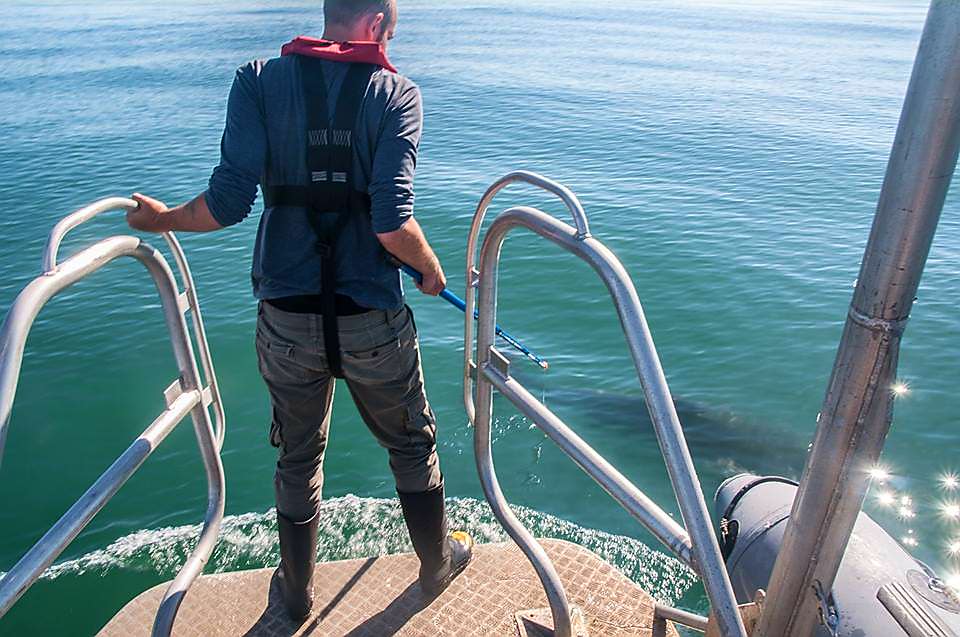
So, I started looking to get involved with as many projects as I could & get experience in as many different areas & techniques that would accept me. At this stage, I didn’t know much, but I knew I could offer the most valuable currency in conservation…an extra pair of hands. Which worked out well, as most people that I pestered needed help and were happy to show me a few things in exchange for my time.
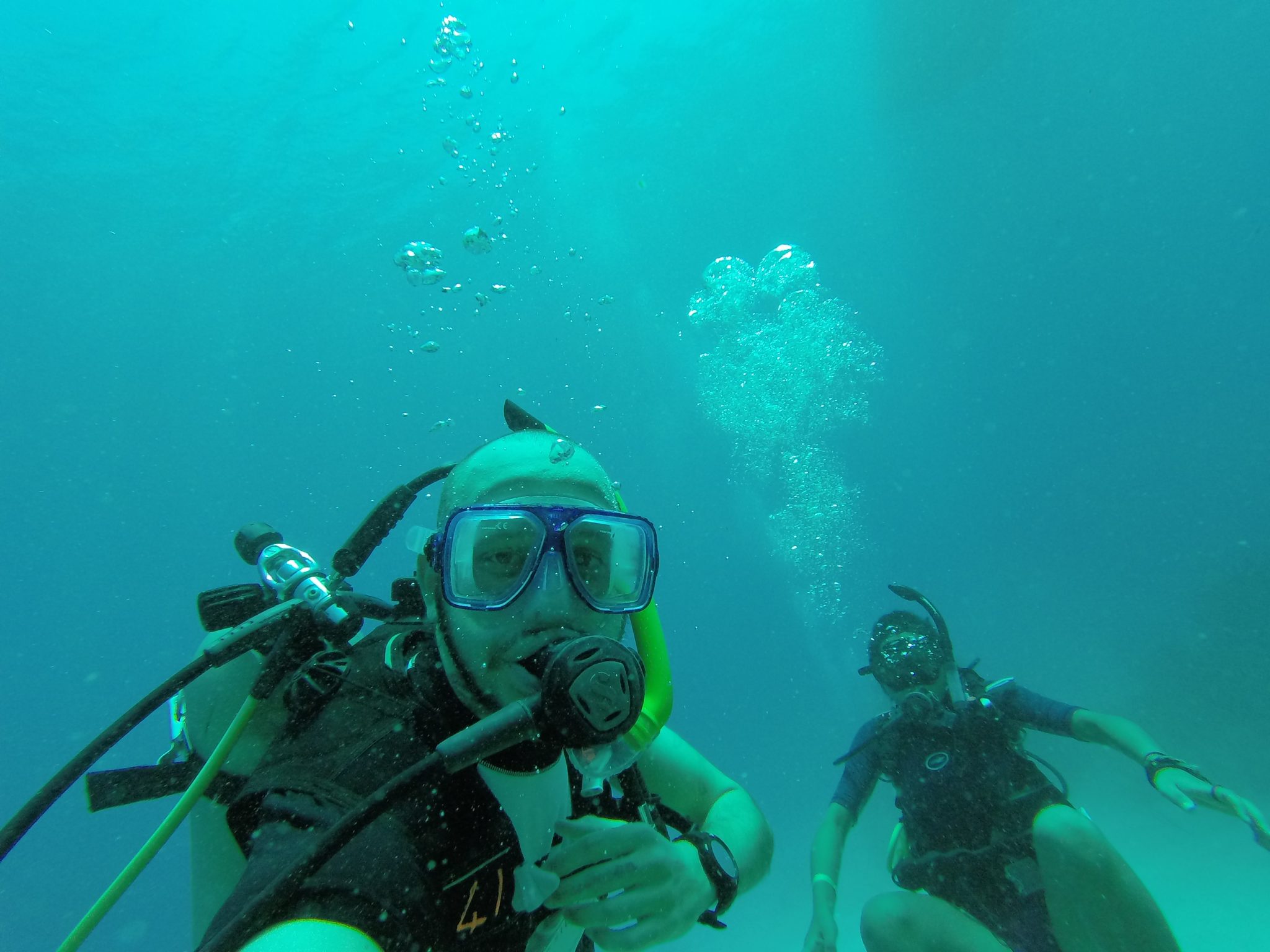
Coming into the final year of my BSc I wanted a challenge for my dissertation, so chose the topic that I struggled with the most throughout my first 2 years, conservation genetics. I applied and was accepted on to a project that was investigating the genetic diversity of a Honduran Montane Pit Viper (Cerrophidion Wilsoni). Although this wasn’t marine based, I was happy to trade a dolphin for a snake to be able to learn more about how genetics can inform conservation and help wild populations. This project was done using scale samples that were collected from Cusuco Nation Park by Operation Wallacea and was my first introduction to them. Completing the project & wanting to get out of the lab and back into the field, I signed up to join Operation Wallacea on an expedition to Honduras. It. Was. Unreal. It opened my eyes to what tropical field expeditions were actually like, in all their mucky, unglamourous, incredible glory and again, it confirmed I was on the right path.
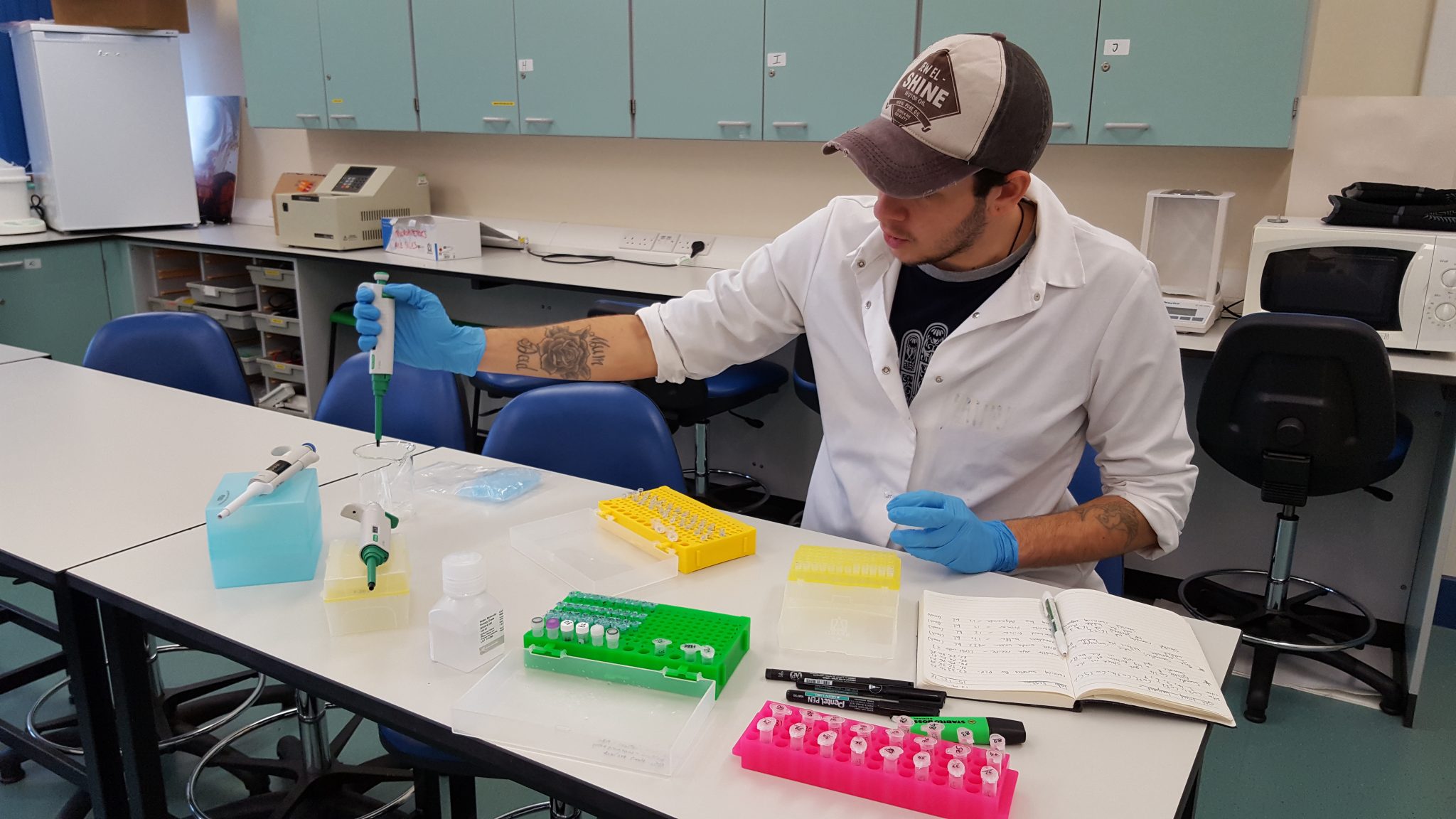
Completing my Bachelors I moved to do my Masters in Manchester, choosing to do a taught MSc as I wanted to learn more about conservation genetics from industry leaders. Somewhere along the way, I accepted an offer of frozen skink poo from the freezers of MMU’s genetics labs. Proof that my career choices were becoming increasingly niche. So, with the aforementioned poop, I decided to trade dolphins for a scaley species again, with opportunity to gain some experience handling high throughput sequence data. With this I focused my thesis on the diet of the critically endangered Bermudan Skink (Plestiodion Longirostris). This project was done in collaboration with a captive breeding programme that aimed to inform a habitat suitability & reintroduction project to boost the numbers of the only endemic herpetofauna on the island of Bermuda. From this I gained more of an insight into what molecular techniques can offer conservation. I wanted to learn more about this area, so I stepped away from zoology to spend some time working within the project development team at QIAGEN. Developing oncological assays for human health and taking my usual approach of getting involved with as much as I can, I was able to learn a suite of new lab based & molecular analysis skills.
Missing the reason I got into the industry, I started to look for prospects that would allow me to get back to conservation, where I came across a lecturing post with Craven College. From there I spent 4 years teaching ecological and conservation-based modules, as well as course managing the animal science-based courses. Although I loved the enthusiasm that my students had, I started to become restless only talking about conservation research and not being involved with it. So, I decided to get my students involved with Opwall, to help bring real world applications into the classroom and give them the same life changing experience I had. Whilst planning this Opwall expedition, I came across the post for the marine research vacancy & I have never jumped on an application so fast in all my life.
So here I am, as the new Marine Research and Operations Manager swapping lecture theatres back for remote tropical research sites and ready to start making contributions towards conservation science again.


© 2026 Operation Wallacea Ltd. Website by Yello Media.
Social Media Links