
You can walk into any high-street store today and it is very easy to pick up a t-shirt for £5, a dress for £10, or a pair of jeans that cost less than your last-minute lunchtime meal deal. Fast fashion has transformed the way in which we buy our clothing. However, behind the bright colours, trend-driven styles and low prices lies a global environmental issue that is getting harder to ignore.
For students and researchers who spend time in some of the world’s most biodiverse ecosystems, the impacts of fast fashion can feel extremely far removed from expedition life. Out in the jungle, you’re usually more concerned about mosquito bites and whether your socks will ever dry again. Yet the threads that tie our wardrobes to forests, rivers, and oceans are woven more tightly than we think.
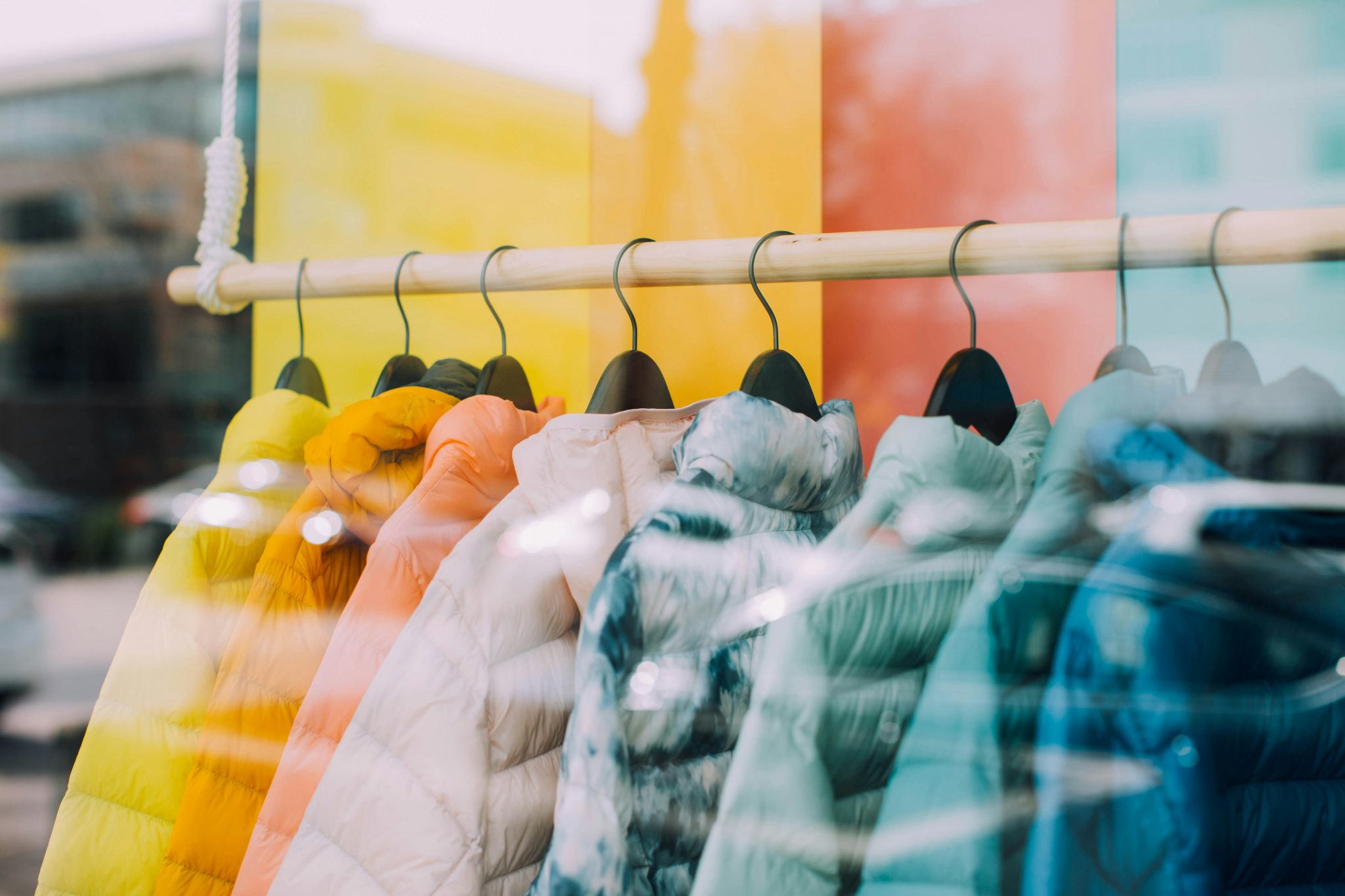
So, what exactly is fast fashion?
Fast fashion refers to the rapid production of cheap, trend-based clothing designed for short-term use. In other words, clothes that are made to fall apart right after their return window ends. This business model prioritises:
The result? A global culture of disposability, where clothing quickly becomes waste and the planet pays the price.
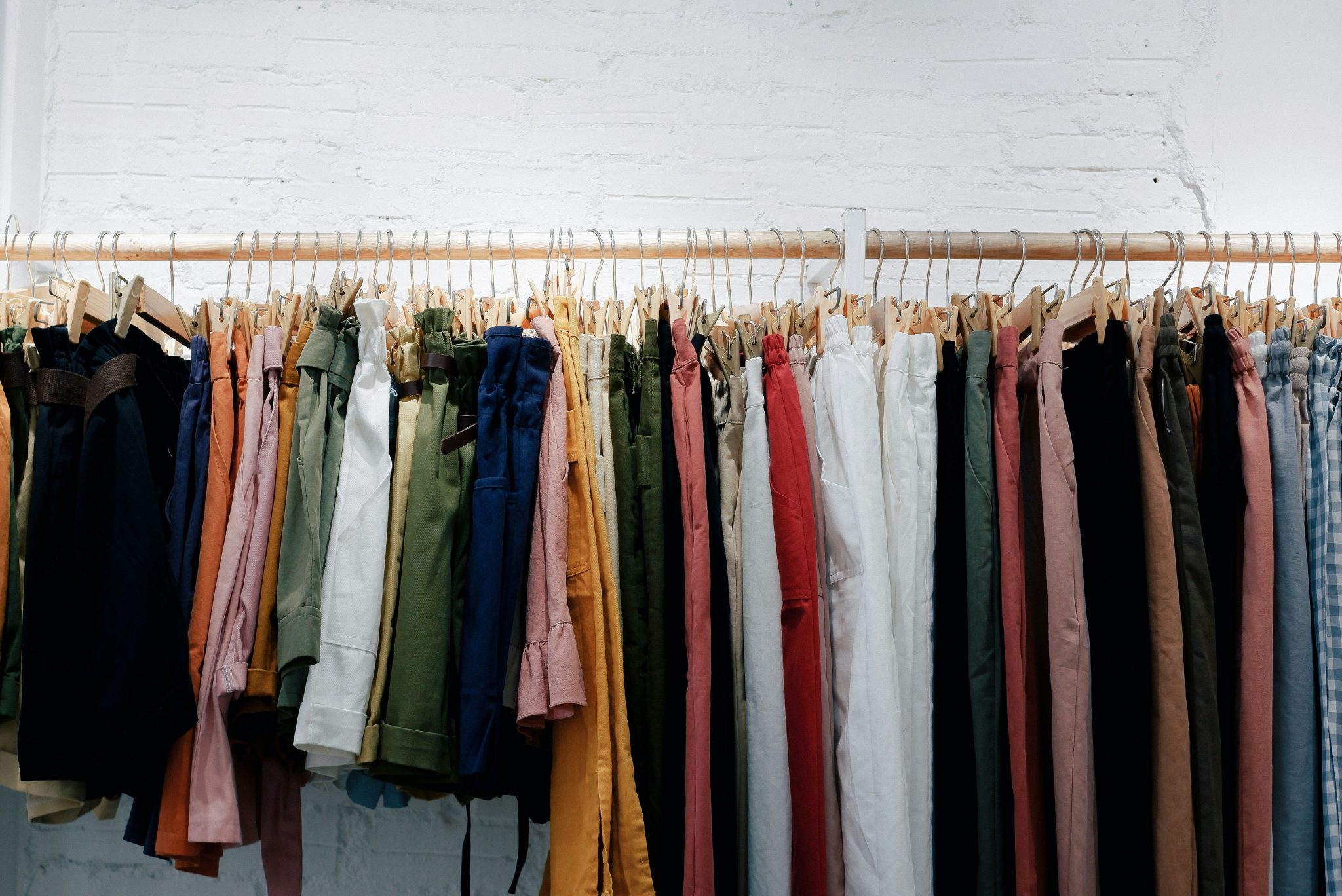
The Environmental Toll
A single cotton t-shirt can require thousands of litres of water to produce. Polyester, the world’s most common clothing fibre, is made from fossil fuels and sheds microplastics into our environment.
Textile dyeing and the finishing process releases dyes, toxins, and heavy materials into our waterways, especially in countries with weak regulations.
Every wash of synthetic clothing releases microfibres into the environment. These fibres are ingested by marine life… something that researchers on Operation Wallacea projects often encounter firsthand.
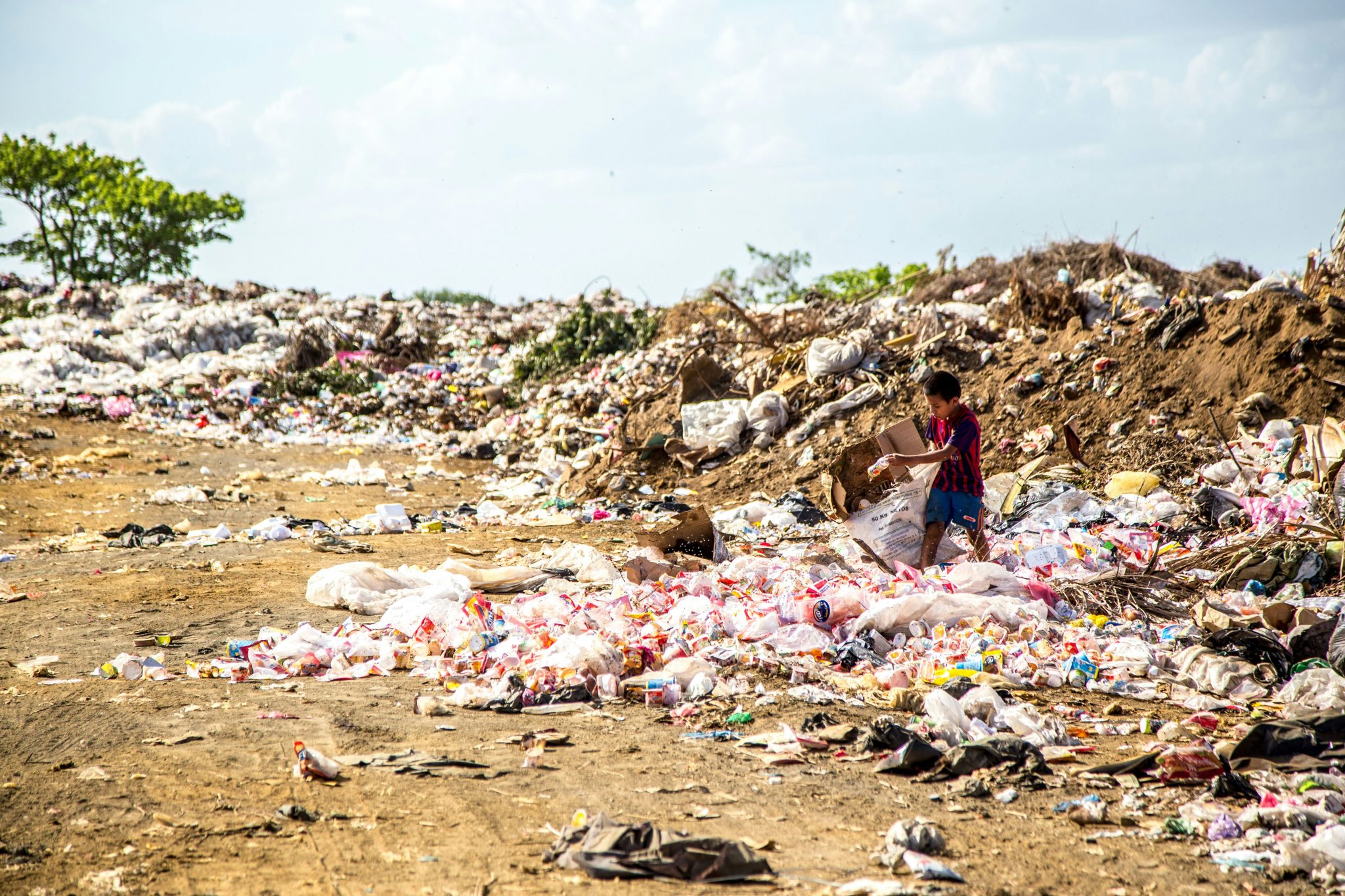
Vast quantities of clothing end up in landfills or are incinerated and many exported items of clothing end up overwhelming waste systems overseas, leading to huge mounds of clothing in landfill.
Innovation: what can we do?
Wouldn’t it be amazing if we could still have all our favourite items of clothing, keep up with the ever-changing fashion trends, and not create a small textile apocalypse every time we shop? Luckily, innovators and designers are on the case, and they’re getting creative …
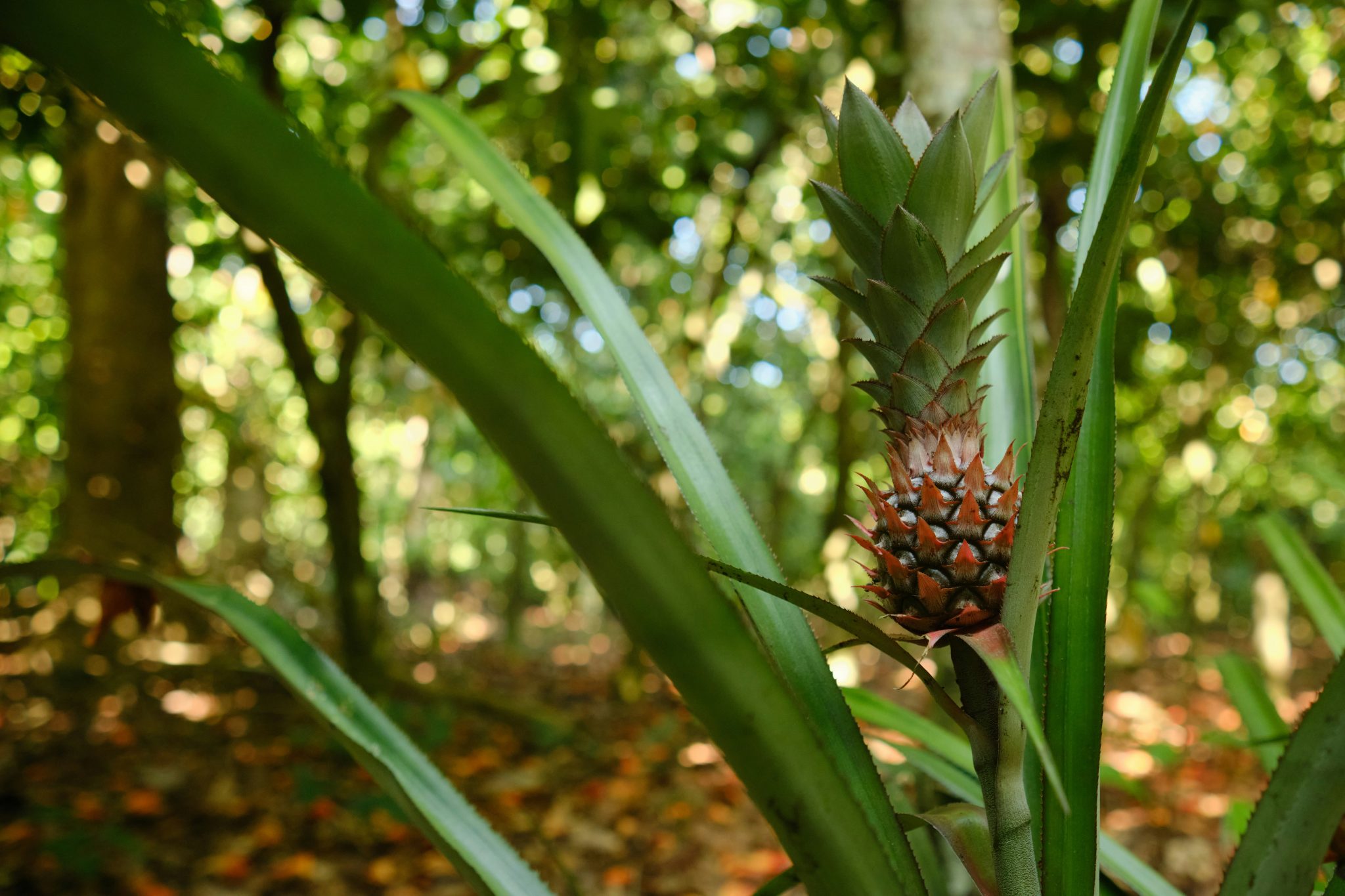
Pineapple leaf fibre – Yes, pineapple! One of the most exciting developments is pineapple leaf fibres that can be transformed into a natural textile made from the fibres of pineapple leaves. Often thrown out and burned, these agricultural waste products do not need any extra land, water, or pesticides to create the material. The resulting fabric is durable, flexible, and increasingly used for shoes, bags, and more! Even Nike have launched a pineapple leather trainer. If your shoes can survive a rainforest trail and be made from pineapple waste, that’s a win for everyone. The future is fruit!
Agricultural husks and plant-based leathers – Many of these new materials aren’t just ‘fashion-week fancy’, they translate well to the tough demands of fieldwork:
It’s safe to say that there are hundreds (if not thousands) of environmental innovators out there, working on products that are sustainable, long-lasting, and that actually look good! These materials are offering a glimpse into the future of the fashion industry, where waste becomes a resource, and where natural fibres replace petroleum-based fabrics.
Packing for an expedition: sustainable choices that matter
Operation Wallacea expeditions often take place in remote areas with high counts of biodiversity, such as forests, reefs, rivers, and jungles – places that directly feel the impacts of pollution and unsustainable production. Fortunately, making sustainable clothing choices for fieldwork is easy!
What to bring and how to choose sustainably:
The most sustainable item is the one that you don’t buy. Old hiking shirts, worn-in boots, and second-hand trousers work perfectly for field conditions. Plus, if they’re already worn in you can remove the fear of soggy feet and blisters.
If you do have to make purchases for your expedition, choose well-made fabrics that will survive mud, sweat, rain, repeated washing, and being crammed into the bottom of a dry bag for days on end. Hard-wearing trousers, thick socks, and sturdy waterproof layers will outlast multiple seasons.
Charity shops, online platforms (e.g. Vinted, Depop, eBay) or university swap events are ideal for finding quick-dry tops, fleeces, or cargo trousers. The bonus? Somebody else has already broken them in for you – say goodbye to sore feet and the fear of damaging something new and expensive.
Organic cotton, hemp, bamboo, and recycled polyester generally have a lower environmental impact than conventional cotton or new synthetic fabrics. Natural fibres also biodegrade and don’t shed microplastics, making them far better for rivers and oceans.
We’re all on a budget! However, sometimes it is better to splash out a little. Cheap leggings, low-quality trainers, and ultra-fast-fashion outdoor wear rarely last an expedition, let alone multiple seasons, and often end up as waste in remote communities. Consider spending a little extra cash on your most important items. If you’re considering a career in conservation, you’ll want to know that you can rely on the products that you’re using. Reliable gear is worth its cost in peace-of-mind.

A call to conscious consumption
As conservationists the choices we make extend far beyond our wardrobes. They ripple into ecosystems, communities, and supply chains worldwide (which is what we’re working toward preventing!). Fast fashion offers convenience for us, but its hidden costs are paid for by the planet.
When planning your next expedition, ask yourself:
Sustainability isn’t about perfection; it’s about making mindful decisions. And when thousands of people make small changes, the fashion industry will have no choice but to follow.
Packing advice
For students heading out on an expedition, the best packing advice is simple: bring less, choose well, and prioritise durability over trends. Reuse gear you already own, borrow from friends, or look for second hand items online if you’re looking for something specific. Opt for breathable, long-lasting fabrics, and pack a few versatile layers instead of lots of single-use outfits. A microfibre-catching laundry bag and repair kit (needle, thread, tape etc.) can also make a huge difference in reducing waste on site. By thinking ahead and choosing sustainability, you’ll keep both your pack, and your environmental footprint, light.


© 2026 Operation Wallacea Ltd. Website by Yello Media.
Social Media Links