
This summer, I had the privilege of accompanying 22 of our Year 12 and 13 students, along with two other members of staff, on a once-in-a-lifetime expedition to Madagascar with Operation Wallacea (Opwall). Opwall is a conservation research organisation that runs biodiversity and ecosystem monitoring programmes in remote locations around the world.
The trip had been two years in the making, so anticipation was high. Over the course of 18 days, we immersed ourselves in Madagascar’s unique wildlife, ecosystems and culture, while gaining first-hand experience of conservation science.
Travel and Arrival
The students coped remarkably well with the long journey required to reach our first destination. We flew from London to Addis Ababa in Ethiopia and then on to Antananarivo, Madagascar’s capital. From there, it took us two days of travel by road, using a combination of buses and jeeps, to reach our base in the Mahamavo forest.
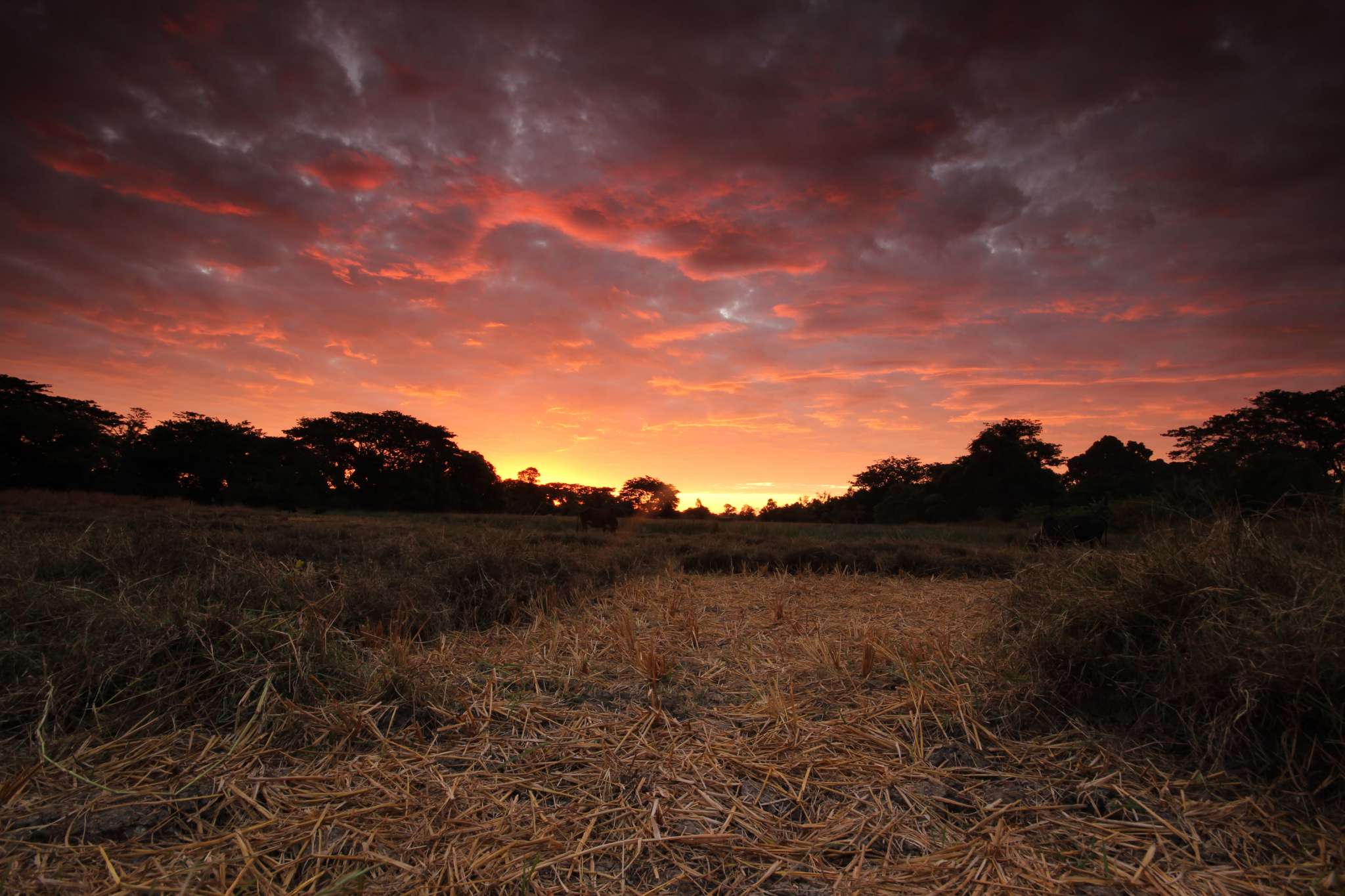
Photo by James Coates
Week 1: Forest Research and Biodiversity Surveys
Our work began in the dry forests of Mahamavo, where we joined teams of research scientists, dissertation students and local guides. Students learned ecological survey techniques such as bird mist-netting, forest plot estimation and herpetofauna and lemur transects. Early mornings saw us hiking into the forest to collect data on local flora and fauna, contributing to long-term monitoring projects that help protect Madagascar’s endangered ecosystems.
One of the highlights was spotting several species of lemurs, including the charismatic Sifaka, often seen above our heads in camp! Students also gained a clear understanding of the pressures facing these species, particularly habitat loss and climate change and how conservation efforts are being developed with local communities.
A visit to the medical clinic in Mariano village was especially humbling. Students were able to meet the doctor and his wife, who run the clinic under extremely challenging conditions. They mainly deliver childhood vaccinations and support women in labour, with very limited facilities and equipment. It was a sobering but important experience for us all.
Midway through the forest week, we relocated to an even more remote satellite camp, hiking 7km across paddy fields while our luggage travelled by Zebu cart (Zebu are the Madagascan equivalent of a cow with a hump!). The isolated lakeside setting was spectacular, and students continued survey work, making comparisons between the two sites. With no light pollution, the night skies were extraordinary, the Milky Way in full view was something none of us will forget.
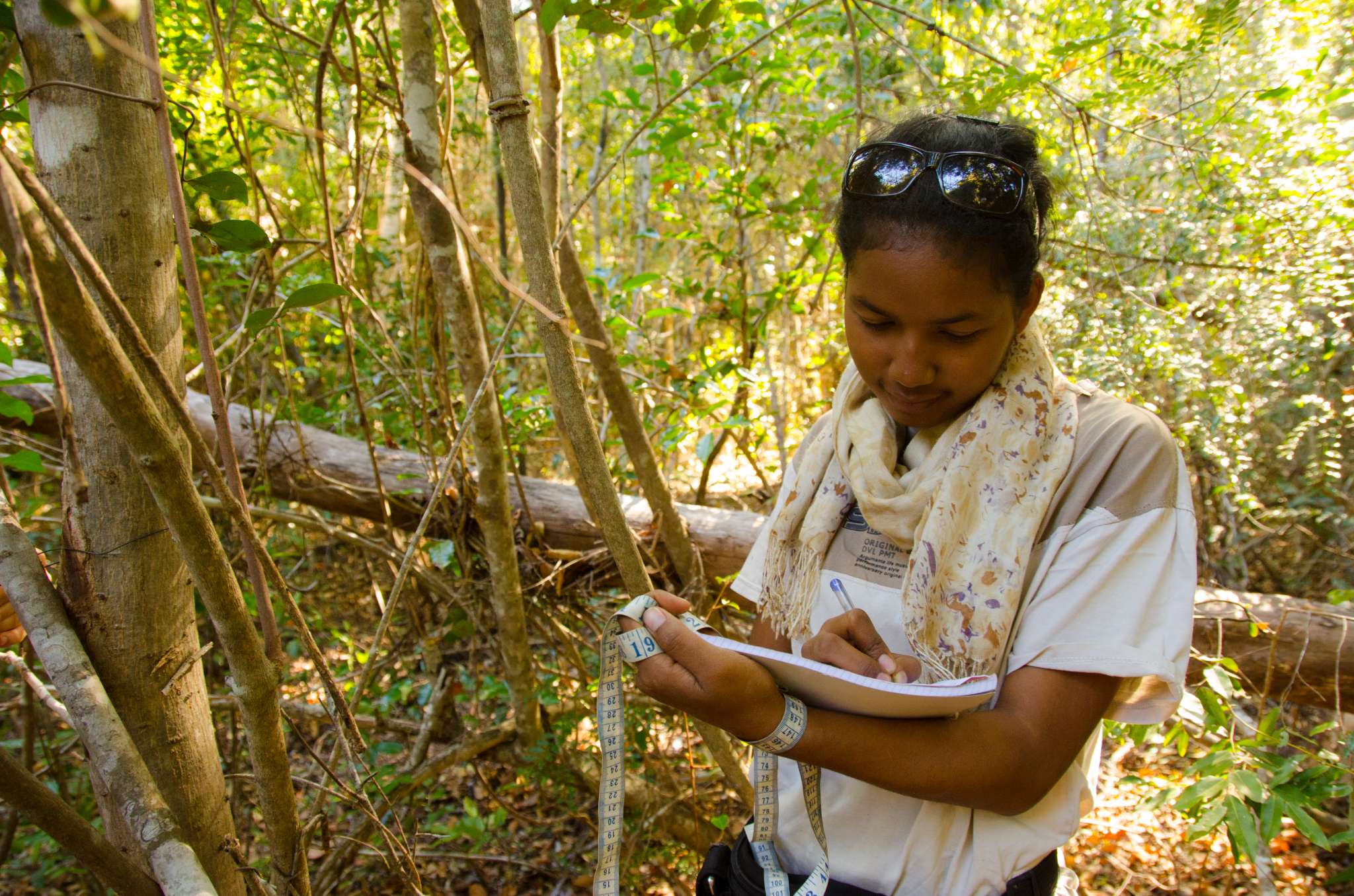
Photo by Alex Tozer
Week 2: Marine Ecology and Reef Surveys
The second half of the expedition saw us return to Antananarivo and then fly to the island of Nosy Be off the north coast of Madagascar. Here, we swapped hiking boots for fins and dive gear and explored coral reef ecosystems through snorkelling and scuba diving.
Most students had never dived before, so gaining their SSI Open Water Diver qualification during the week was a major achievement. Alongside two dives or snorkels a day, students completed a reef ecology course, learning to identify key species of fish and invertebrates. Swimming alongside colourful reef fish, sea turtles and even the occasional octopus, blue star fish or sting ray was an unforgettable highlight.
We also discussed the challenges facing coral reefs, including warming seas, pollution and overfishing and saw first-hand how local marine protected areas are making a real difference.
A real highlight of this week was the catamaran boat trip to the island of Tanikely, known to be a “natural aquarium” where we were all able to snorkel in the crystal clear shallow waters above the coral reef, swimming alongside turtles, huge shoals of fish you normally only see in marine aquariums! The island was stunning and had incredible views from a lighthouse that enabled you to see for miles in all directions.
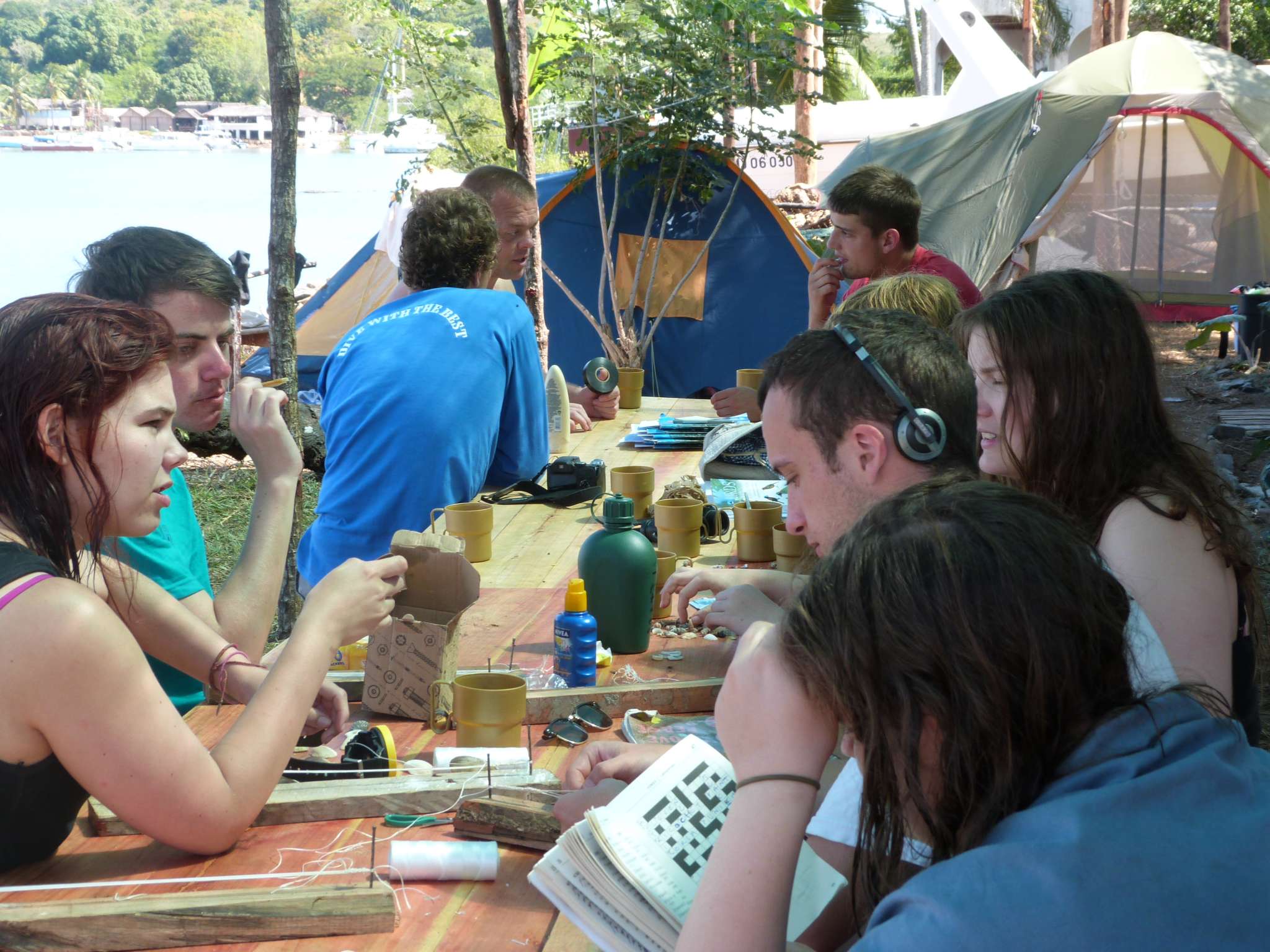
Photo by Alison Darlington
More Than Science: Culture, Teamwork and Personal Growth
Beyond the scientific learning, the expedition offered powerful personal experiences for all of us. Living in remote field camps, adjusting to basic facilities (long drop toilets, cold bucket showers), a simple diet of rice and beans and managing long days in sometimes tough conditions demanded real resilience.
The students rose to the challenge. They demonstrated teamwork, leadership and independence and many developed a genuine passion for conservation. Along the way, we engaged with Malagasy communities, learned some of the language and gained a valuable insight into the culture and heritage of this remarkable country.
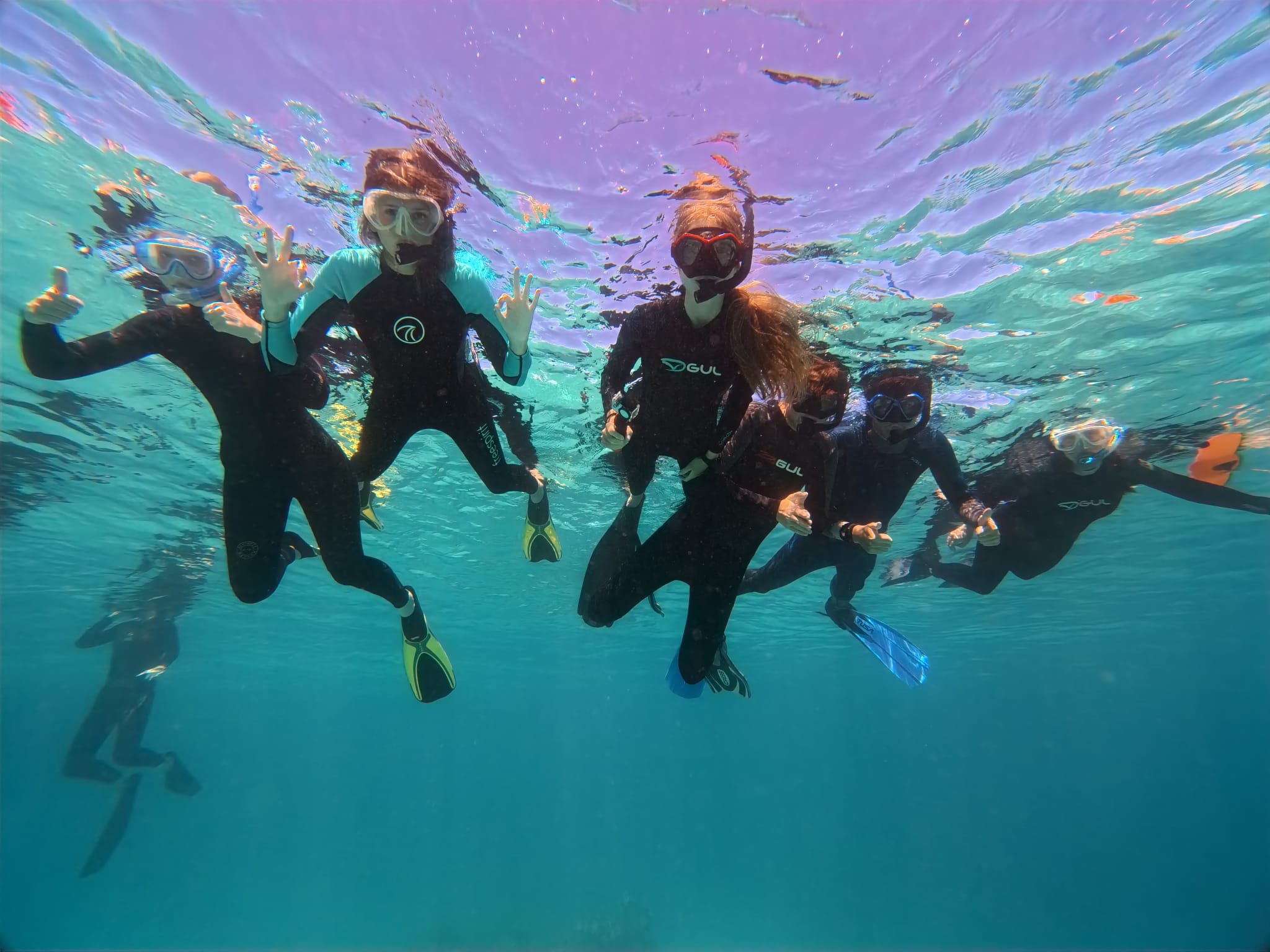
Photo by Mae Van-Loef
Looking Ahead
For our students, this was more than just a school trip, it was an opportunity that will shape their futures. Several have been inspired to explore conservation science further, and many are keen to fundraise for essential equipment to support the medical clinic in Mariano.
We are all incredibly grateful for the chance to take part in this expedition and we look forward to sharing our experiences with the wider school community.
Madagascar gave us an adventure we will never forget and we will be back!
Title photo by Barrett Gray


© 2026 Operation Wallacea Ltd. Website by Yello Media.
Social Media Links