
The festive season is the perfect time to think about how to live more sustainably, as it is a time of year when our carbon footprints tend to grow (as well as our stomachs after Christmas dinner). If you’re dreaming of a greener Christmas read our 20 top tips below!
1) Reuse decorations or make your own
Decorations that we only have out for one month a year are a great place to start. We don’t need new ornaments each year – make sure you are reusing old ones and repurposing them if you think they need a refresh. Contribute to the circular economy if you want to get rid of any and donate to a charity shop. If you want any new decorations go second-hand or create your own! Make paper chains or snowflakes to hang from the ceiling using left over wrapping paper saved from the previous year, and display your Christmas cards by interlocking them and hanging them up.

2) Choose handmade gifts
Handmade gifts can be really treasured presents if you take the time to craft something yourself – consider making a Christmas decoration or drawing your own Christmas cards as these can be really special. It also gives you time to get a bit crafty, or to get baking! Otherwise it is also nice to support local makers and crafters by buying gifts that are handmade. Try going to some arts and craft fairs near you to see if you can find the perfect present!
3) Find sustainable wrapping alternatives
Go online and check out some different wrapping techniques that could reduce the amount of tape you need through clever folding instead! Make sure when wrapping you try to use the smallest amount of paper possible, and consider writing directly on the paper or using the blank side of old Christmas cards rather than using a name tag. Each year it is good to get into the habit of saving your paper, ribbons and gift bags to use next year. Try to avoid plastic ribbons or glittery wrapping paper as these aren’t recyclable.

4) Plan meals to prevent food waste
It is estimated that in the UK we waste 200,000 tonnes of food each Christmas, which is the equivalent of 42million dinners. The cause is over-buying, lack of storage and poor planning, and it means we waste significantly more food than at any other time of year. Plan your meals ahead and freeze food rather than throwing it away. Try to use Tupperware or beeswax wraps rather than clingfilm to save leftovers. Agriculture and food production is the biggest cause of deforestation worldwide, and reducing our food waste will help to reduce the demand for agricultural land.
5) Incorporate vegetarian & vegan food options
Even if you aren’t vegetarian or vegan this is a great time of year to try an alternative. Livestock has a huge global footprint due to their emissions, as well as the space, water and feed they need. Reducing demand by replacing one meat item with a meat-free replacement is a great idea, and it will be a perfect time for anyone coming over for dinner to try a vegan replacement as it can help to encourage more plant-based eating habits.

6) Ensure cards are made from recycled paper
FSC-certified paper means it has been made from wood from a responsibly managed forest. FSC stands for Forest Stewardship Council and the logo indicates that the forest is managed for biodiversity, and that the trees are able to regenerate. This protects ecosystems, prevents over-harvesting, promotes the long-term viability of the forests and safeguards the rights of local communities. You can find the FSC logo on the back of cards, and it is important to check for this. Around 1 billion Christmas cards are thrown away each year so making sure yours can be recycled is really important. No glitter please – this can’t be recycled!
7) Pick quality presents to ensure gifts don’t go to waste
Around 58% of people have received an unwanted gift for Christmas, and 10% just throw these gifts away! When shopping for presents take the time to think about what that person will like, and ensure it lasts. One good quality gift is better than several poor-quality items that the person doesn’t love.
8) Give an experience
Gifting an experience rather than an item reduces the resource-demand that Christmas brings, and can help to spend time together later in the year! Many restaurants offer gift vouchers, or you could organise a day out to a nature reserve! You can also consider cinema tickets, concert tickets, memberships for galleries or museums… Organising to spend time together often means more to people than an object.

9) Shop local
Travelling a long distance to shops obviously comes with higher associated emissions from your travel, but shopping local can reduce this. Shopping locally means supporting the local community, but also means you are more familiar with the packaging habits of each seller and can choose to buy gifts with little or no packaging, or with recycled packaging. Shopping online often means more packaging, which you will then unwrap and repackage in wrapping paper! Try to limit this wherever possible. When shopping local make sure to take your own reusable bags with you as well.
10) Look for food logos
Try to check that your food and drink is sustainably produced. With any seafood look for the MSC-certified logo to indicate it is sustainably caught. If a product has palm oil as an ingredient check for the RSPO-certification as this means the plantation it comes from is sustainably managed. Check for the Fairtrade logo on chocolates, teas and coffees, as these ensure farmers are paid fairly and the items have been grown sustainably.

11) Shop second hand
Buying second-hand items reduces the need to create new materials, which reduces emissions. Vintage clothes, second-hand books and recycled home decorations all make great gift ideas, and help your money go further. Search in high-street vintage and charity shops to find the ideal present, or search online for recycled items!
12) Eat seasonal food
Reduce your carbon footprint by eating seasonal produce. Why not use this handy guide to see what fruit and vegetables are in season – https://www.eattheseasons.co.uk/. Focusing on UK-grown vegetables such as potatoes, cauliflower, parsnips, carrots, beetroot and squash help to reduce the food miles and support UK farmers. Apples and pears are also grown this time of year, and if you want more variety consider fruit such as clementines which are generally shipped here rather than flown.
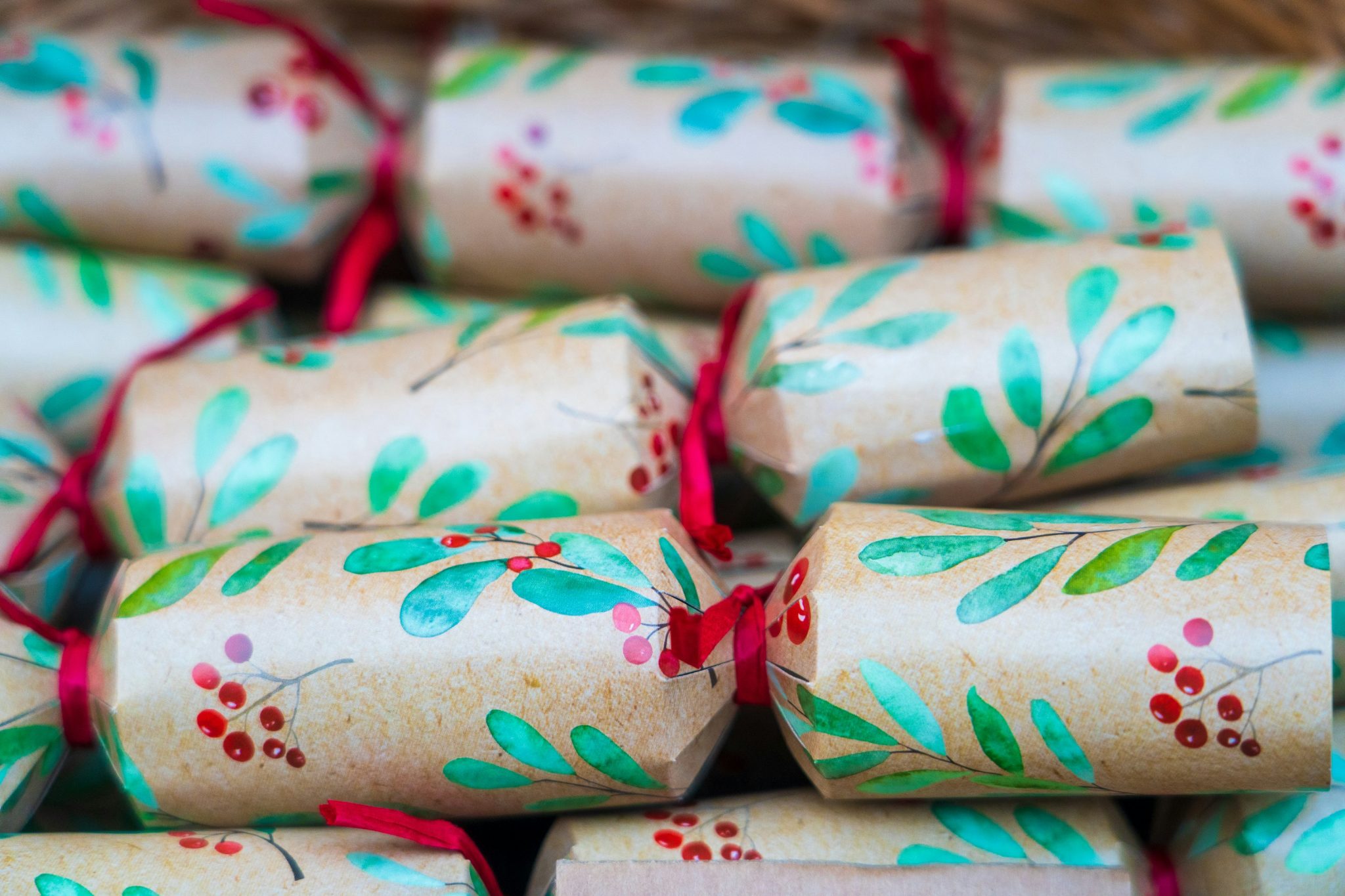
13) Consider reusable & DIY crackers
Christmas crackers are often not recyclable and are often filled with toys that are thrown away after the meal. Look for FSC-certified crackers which means the paper and card are from sustainably-managed forests. Check what is in the cracker to see if the toy inside is likely to be used more than once. Consider DIY crackers, as these are reusable and easier than you think! You can fill them with sustainable gifts like chocolates, or personalize them for your guests. You can also put your own jokes inside!
14) Think about your tablecloths
Avoid single-use paper napkins and tablecloths by instead using cloth or material versions which you can use every year. If they get stained put them in the washing machine on a low, eco setting as this reduces your environmental footprint too.

15) Use LED lights
LED lights for your tree or outside your house are great because they use less energy and last longer! Switch off your lights at night as this has a lower footprint (consider putting them on a timer if you think you’ll forget). If your lights are battery-powered ensure they are rechargeable so you don’t have to continually buy new ones.
16) Give green gifts
Eco-friendly gifts are great, and there’s so many options to choose from that you’ll almost definitely be able to find something for all your family and friends. Clothing, skincare products, food… there’s something for everyone!
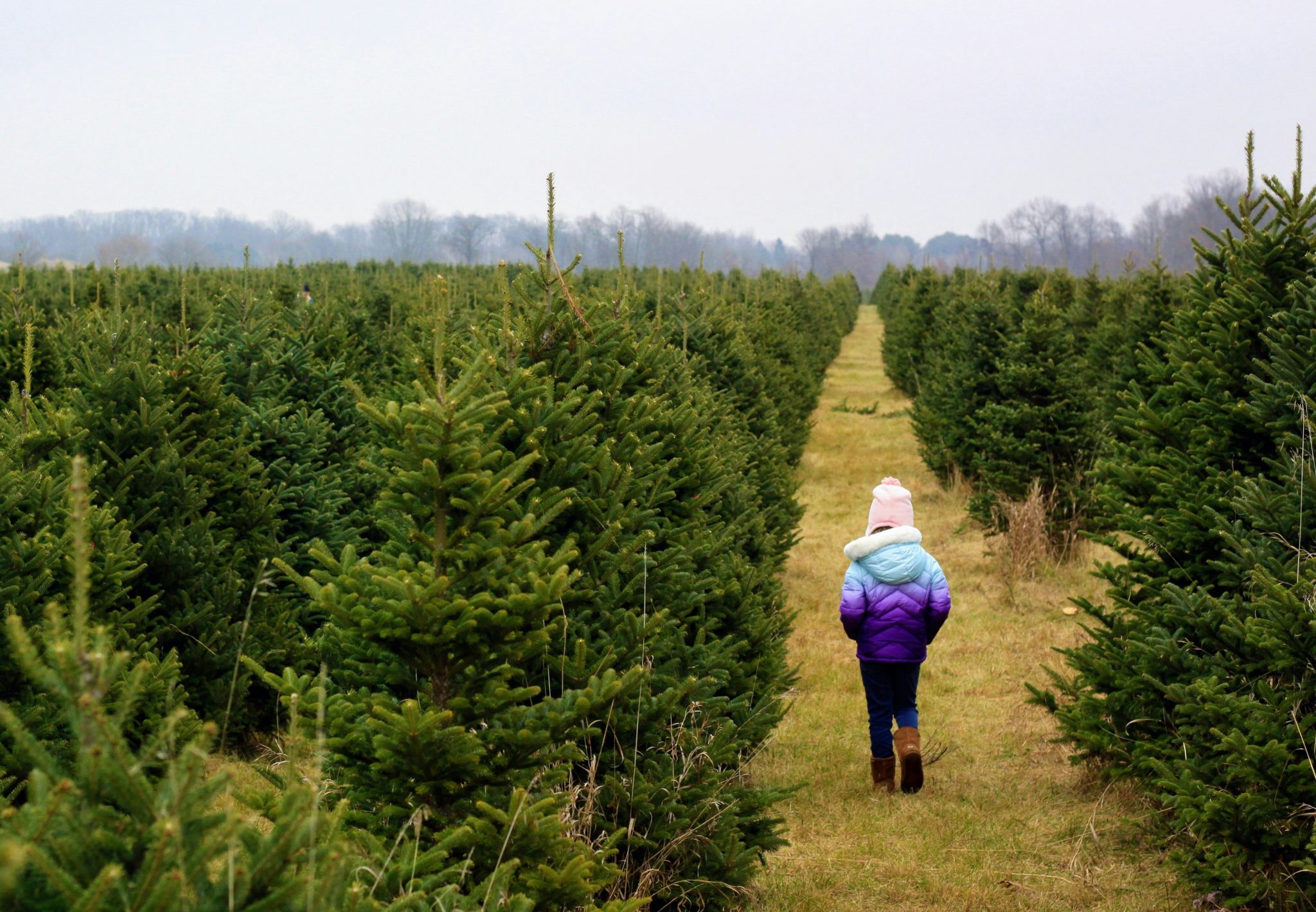
17) Choose a Christmas tree with care
Give a lot of thought to your Christmas tree, as it is an important focal point over the festive period! If you have a plastic tree make sure you keep it for at least 10 years to make it worth the emissions. If you opt for a real tree make sure it is from a sustainably managed forest by checking if it is FSC-certified. You need to be really careful about what you do with the tree after the Christmas period as well, as most are non-native species so you can’t just plant it out and about. Planting it into a pot means you can reuse it every year, or some councils offer recycling options which turn the trees into woodchip or compost. Finally, some organisations allow you to rent Christmas trees and return them for replanting so they can be used again!
18) Think about your travel plans
If you are planning to visit any family over the festive season, consider your travel plans in advance. Do you need to drive home for Christmas (cue music!) or could you get a train or a bus instead? Could you offset your carbon emissions?

19) Reuse Christmas jumpers
Christmas is a time when people want to meet up with family and friends, and for many people this means new outfits. To make this more sustainable try repurposing items you already own, or borrow from family and friends. You can also find new outfits in charity shops or on second-hand clothing apps. Christmas jumpers are an item we only wear usually once or twice a year, and it not worth buying a new one each time. Ensure you keep a Christmas jumper for at least several years, and buy a new one second-hand instead of new.
20) Go for a Christmas walk and boost your mood
Lots of festive events involve meals out or trips to markets. Try to make time for a walk outdoors, maybe in a local nature reserve to help lift your mood. It can be a busy and expensive time of year so try to make time to reset by watching wildlife.


© 2026 Operation Wallacea Ltd. Website by Yello Media.
Social Media Links