
Did you know that over 25% of all marine species live in coral reefs despite the fact that they occupy less than 1% of the ocean floor? If all of the coral reef cover (to a 15m depth) was put together in one area, it would take up a space of 97,700 miles2. This can be made comparable to the size of the UK for example (93,410 miles2) or the US state of Nevada (109,781 miles2). With an area this small, it is even more astonishing to note that more than a billion people depend on the reefs for nutrition or income!
Coral reefs are largely limited to the tropics and subtropics, as water temperatures here are optimum for the symbiotic relationship between zooxanthella and coral. The majority of corals are unable to survive in water colder than 19oC as the rates of enzyme activity decrease, preventing these organisms from photosynthesizing. Looking at global distribution maps, you may expect coral reefs to occur along the western coasts of South America and Africa, but they are not present here as a result of nutrient-rich cold water upwellings which instead promote algal growth. Reef-building corals rely on their symbiotic partner, zooxanthella, for photosynthesis, and therefore they typically need to be in shallower waters to receive enough sunlight. With all of these factors in mind, there is actually quite limited space where coral reefs can grow, and the preferable environments are similar to macroalgae, resulting in intense interspecific competition between the two!
There are three centres of coral diversity; the Caribbean, the Red Sea, and the Indo-Pacific. Of these three centres, coral diversity is highest in the Indo-Pacific, an area commonly referred to as the Coral Triangle, and lowest in the Caribbean. But why is diversity highest in the Coral Triangle? There are a number of ecological and biogeographical theories that explain these patterns of species diversity and distribution; we will explore four main hypotheses that attempt to explain why the Coral Triangle has exceptionally high species richness (Huang et al. 2018).
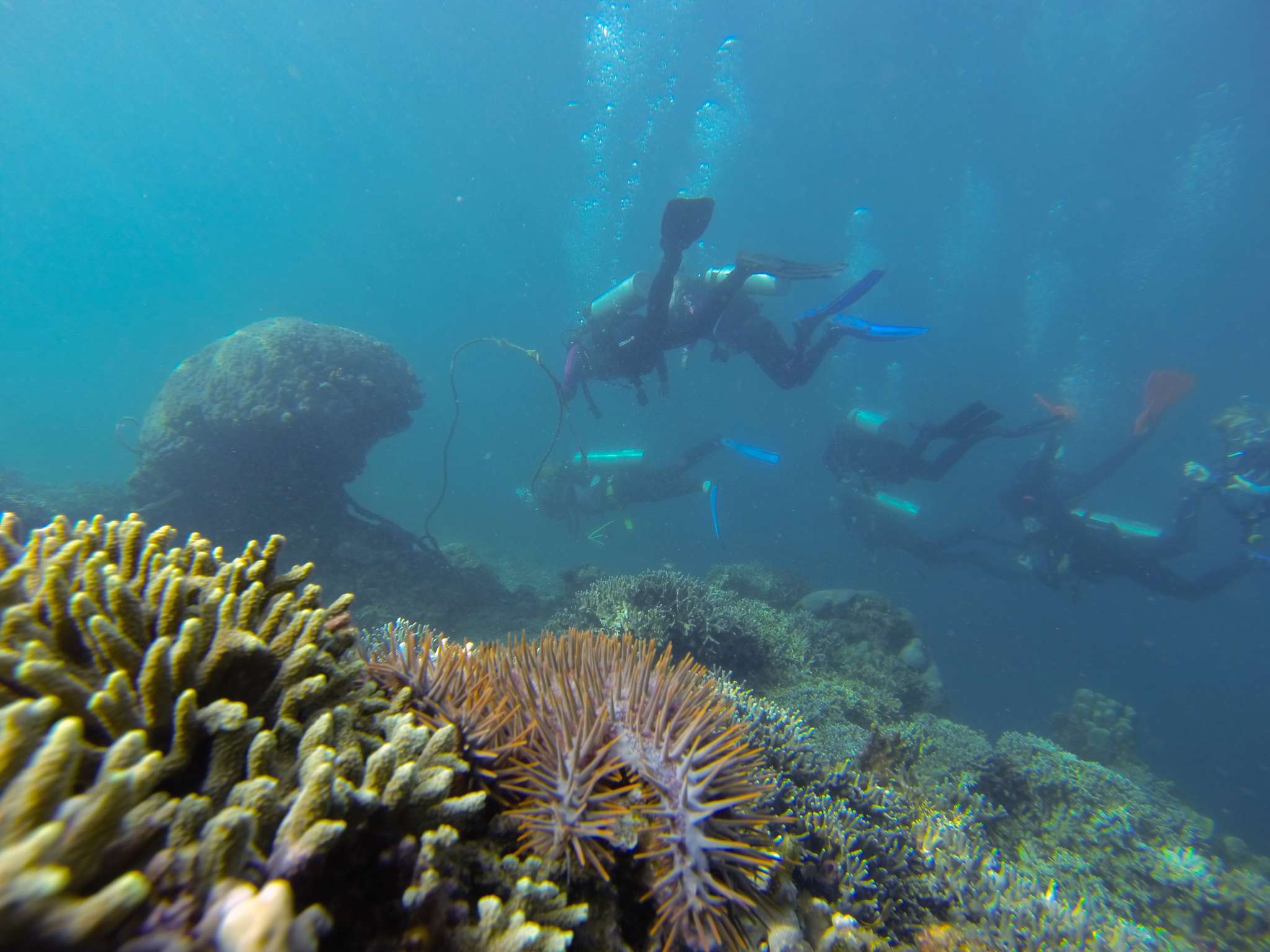
Photo by Andy Clark
Centre of Origin Hypothesis:
Firstly, the centre of origin hypothesis proposes that corals originated in the Coral Triangle, giving them more time to diversify and specialise into a wide range of ecological niches within this region. According to this hypothesis, new species arise as corals disperse outward from their original point of origin.
Centre of Survival Hypothesis:
The centre of survival hypothesis suggests that the unique environmental conditions within the Coral Triangle enhance species persistence by reducing extinction risk. This region is thought to provide a combination of stable climatic conditions, extensive habitat availability, and high habitat heterogeneity, which together buffer species against environmental disturbances such as sea-level fluctuations and climate change. As a result, species within the centre of the Coral Triangle experience lower extinction rates compared to populations located in peripheral or more environmentally variable regions. Over evolutionary timescales, this increased survival allows biodiversity to accumulate in the Coral Triangle, contributing to its exceptionally high species richness.
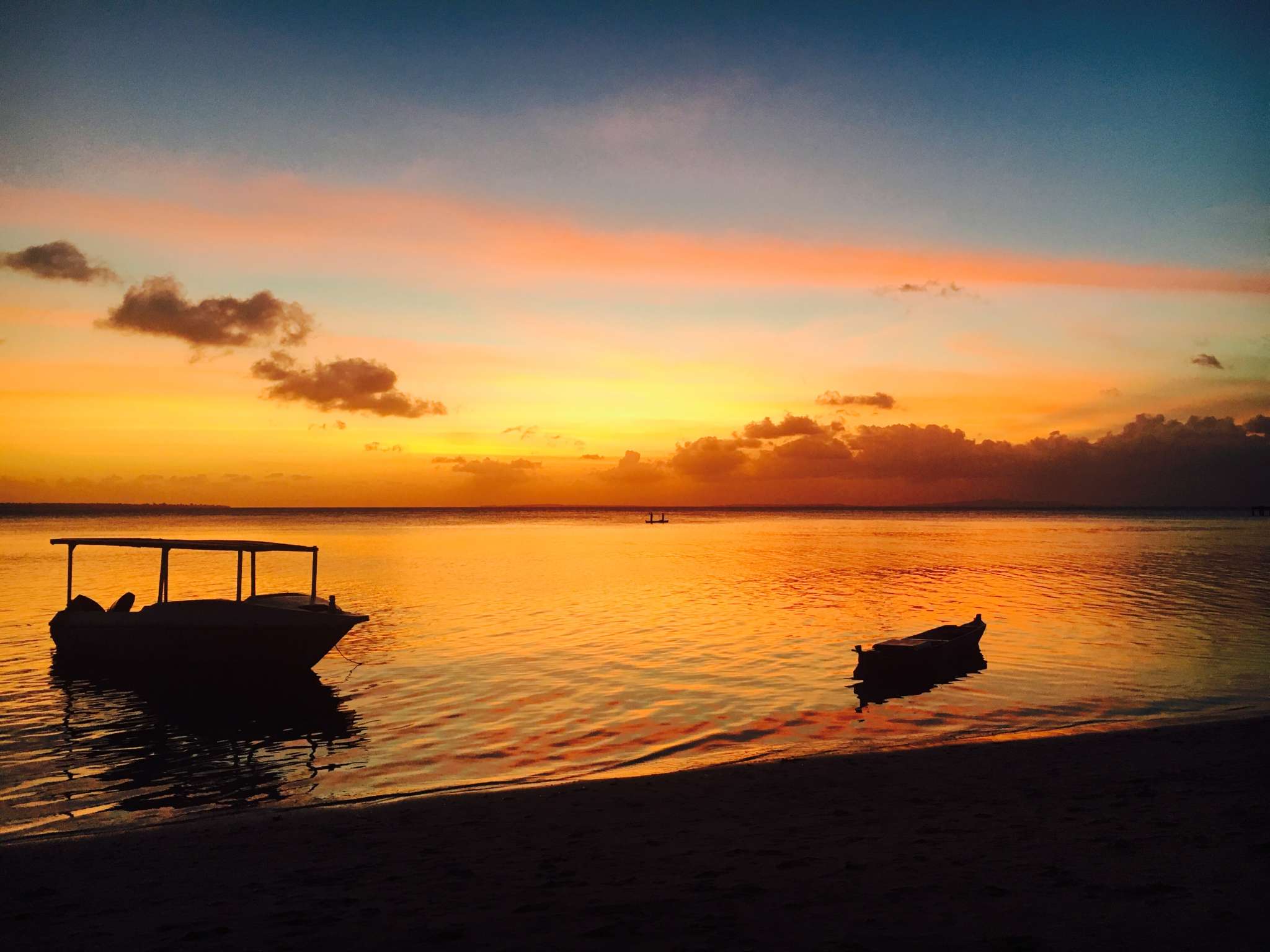
Photo by Michele Murphy
Centre of Accumulation Hypothesis:
This third hypothesis suggests that the Coral Triangle has the highest diversity simply because this is where species have expanded into and accumulated. It proposes the idea that there are multiple pockets of diversity where speciation occurs at which higher rates, which is then followed by migration into the Coral Triangle.
Centre of Overlap Hypothesis:
This fourth hypothesis – the centre of overlap hypothesis – proposes that the Coral Triangle is the point at which unique assemblages of the Indian and Pacific Oceans overlap with each other. Species that evolved independently in these different regions subsequently expanded their ranges and now coexist within the Coral Triangle. Because it receives species from both east and west, the Coral Triangle contains a mixture of lineages with different evolutionary histories, leading to unusually high local species richness.
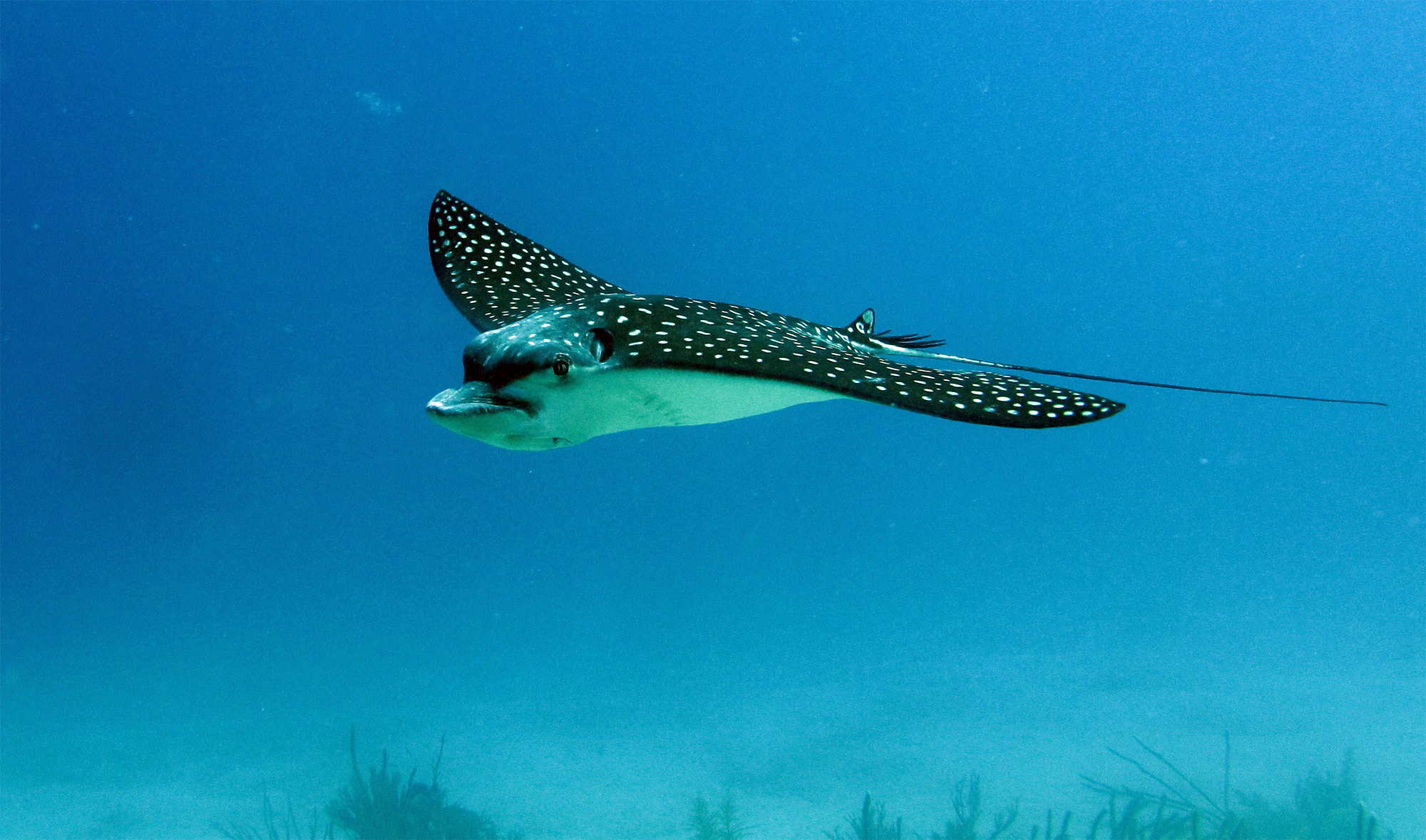
Photo by Adam Laverty
Taken together, these different hypotheses suggest that the incredible biodiversity of the Coral Triangle isn’t the result of just one process, but a mix of evolutionary history, movement of species, and favourable environmental conditions. Whether it’s acting as a birthplace for new species, a safe haven from extinction, or a meeting point for corals from the Indian and Pacific Oceans, the Coral Triangle clearly provides the perfect setting for biodiversity to build up over time. However, these ideas mainly focus on large-scale, long-term patterns. To really understand how coral reef diversity is maintained on a day-to-day ecological level, we also need to think about disturbance, and that’s where the intermediate disturbance hypothesis comes in.
Intermediate Disturbance Hypothesis:
The intermediate disturbance hypothesis was first proposed by Joseph H. Connell in 1978. Joseph developed this theory based on his studies of coral reef communities in the Caribbean. The hypothesis notes that species diversity is highest in areas where disturbance is moderate.
If there are no disturbances and no threats, then a few dominant species will be best suited to this consistent environment, and will out compete every other species, with nothing particular to keep their populations in check. This reduces diversity because weaker competitors are excluded. If disturbance is really high on the other hand, then only really strong species are able to cope! If you are disturbing and killing off a large number of different individuals and species, then the disturbance is ultimately too high to promote more species diversity. With moderate levels of disturbance, it prevents those few dominant species from outcompeting everything else, and so more species are able to survive. It creates a mosaic of habitats at different stages of recovery, allowing both strong competitors and opportunistic species to coexist, resulting in higher overall diversity.
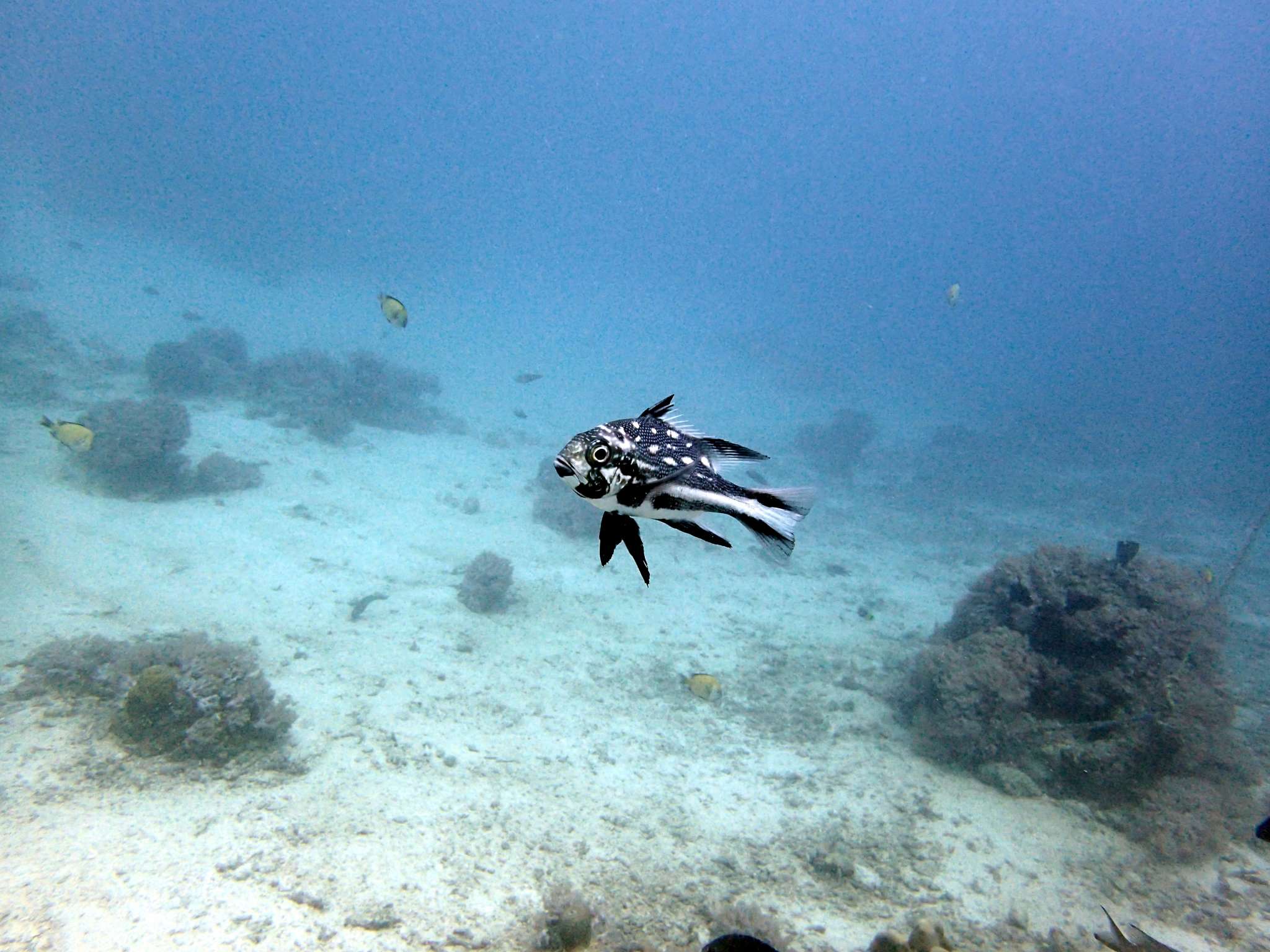
Photo by Alan Clayton
The intermediate disturbance hypothesis also gives us some insight into why the Caribbean has far fewer coral species than the Indo-Pacific. In the Caribbean, disturbances like storms or disease outbreaks have historically been either too rare or too extreme, allowing a few fast-growing species to dominate and leaving little room for others. In contrast, the Indo-Pacific, and especially the Coral Triangle, experiences a mix of moderate, recurring disturbances. These “just right” levels of disturbance prevent any single species from taking over, creating space for many different corals to coexist. In other words, the patterns of disturbance here help maintain the incredible diversity that makes the Coral Triangle so special.
Coral reef diversity is shaped by a mix of long-term history, species movement, and everyday disturbances. The Coral Triangle stands out because the right balance of conditions allows so many species to thrive together, highlighting why protecting these ecosystems is so important. Coral reefs are unfortunately facing a huge number of threats! Many of these threats are linked to each other, as the ocean as a whole is incredibly interconnected by nature. Coral reefs are threatened by the aquarium trade, chemical spills, coastal development, invasive species, ocean acidification, rapid climate change, rising water temperatures, sedimentation, unsustainable fishing, eutrophication and many many other stressors.
The connectivity of the ocean means that one threat affects many species, but that also means mitigating one threat helps many species! The future of reefs globally is uncertain, but there are a number of ways we can work together to mitigate the risks these ecosystems currently face. Keep your eyes peeled for our blog which will delve deeper into the threats facing our coral reefs and ways we can mitigate these!
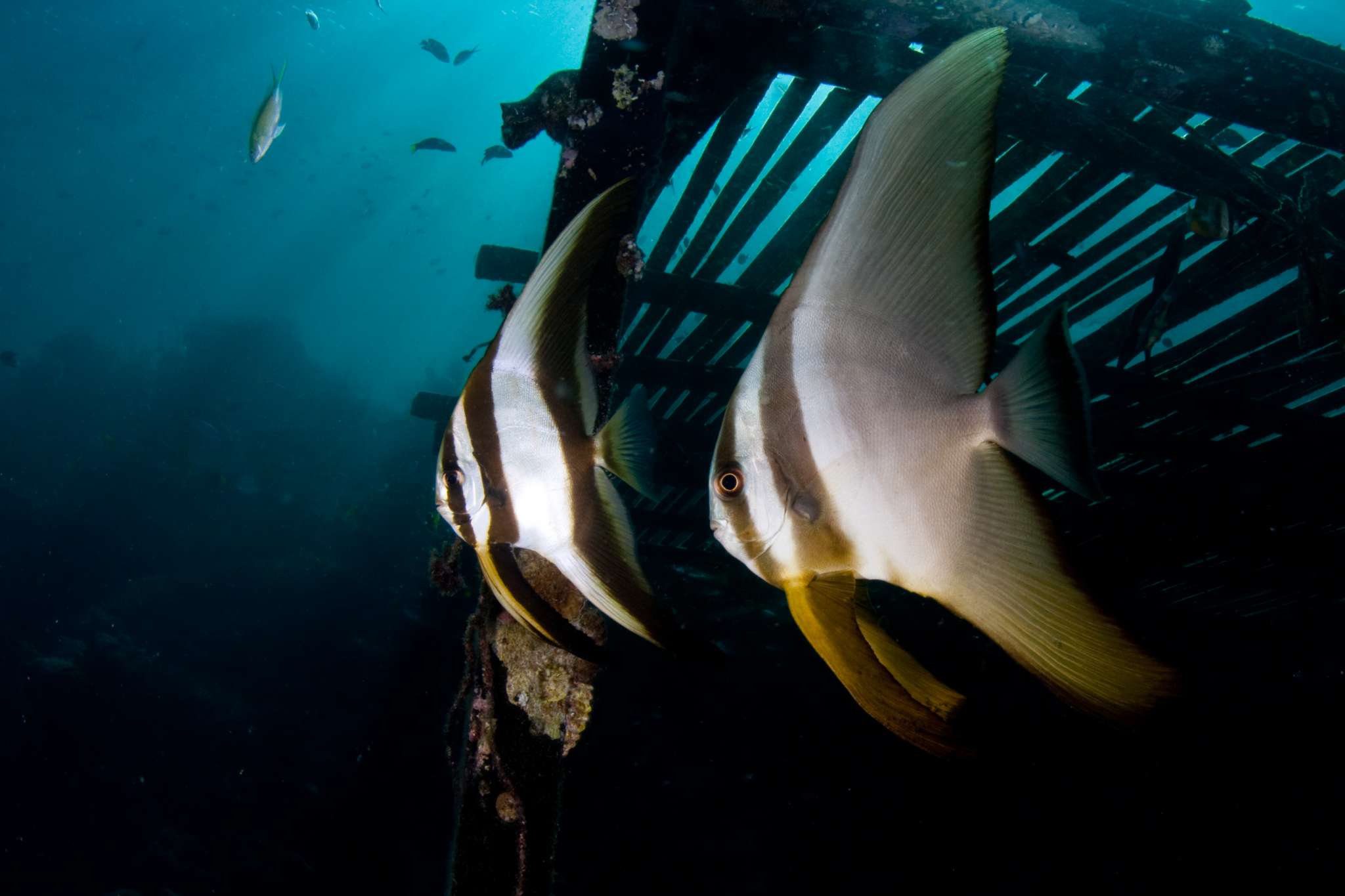
Photo by Jason Suwandy
Did you enjoy this blog? The content from this blog came from one of the on-site lectures in our Reef Ecology Course. Want to learn more about coral reef ecology, the threats facing these ecosystems, and ways we can monitor reefs and mitigate these challenges, then join us in the field on one of our expeditions!
If you want to learn about why terrestrial biodiversity is so high in the tropics too, click here!
With special thanks to Alex O’Brien for updating this lecture series.
Huang, D., Goldberg, E.E., Chou, L.M., Roy, K. (2018). The origin and evolution of coral species richness in a marine biodiversity hotspot. Evolution, Volume 72, Issue 2, Pages 288-302.
Title photo by Emanuele Montaguti


© 2026 Operation Wallacea Ltd. Website by Yello Media.
Social Media Links