
It’s a 4:30am start to go and unravel the bird mist nets we’d set up the evening before. You can eat breakfast before or after leaving for surveys and there’s a range to choose from including cereals, toast, fruit or any food you’ve brought with you. The early mornings are so peaceful as the sun hasn’t risen and most people are still sleeping so the house is empty and quiet. We headed to the site and set up an extra net dependent on the movement of birds and the wind. The location and direction of the nets was clearly explained so I could understand why it’s important to ensure the nets are stable and effective. We did a few rounds of checking the nets then waiting 20 minutes whilst we processed the birds caught before heading back to check the nets. There’s always an option to get fully involved and hold then release the birds. In my second week I was able to do some morphometric measurements, being taught how to hold the wing to measure the bird and taking it in and out of the bird bag. It’s always a good idea to take snacks on every survey as it’s sometimes hard to tell how long you’ll be out. Mist netting can get chilly before the sun is staring to rise so take a jumper/shirt – I’ve been known to jump up and down to warm up which I did not expect coming to Croatia in June!
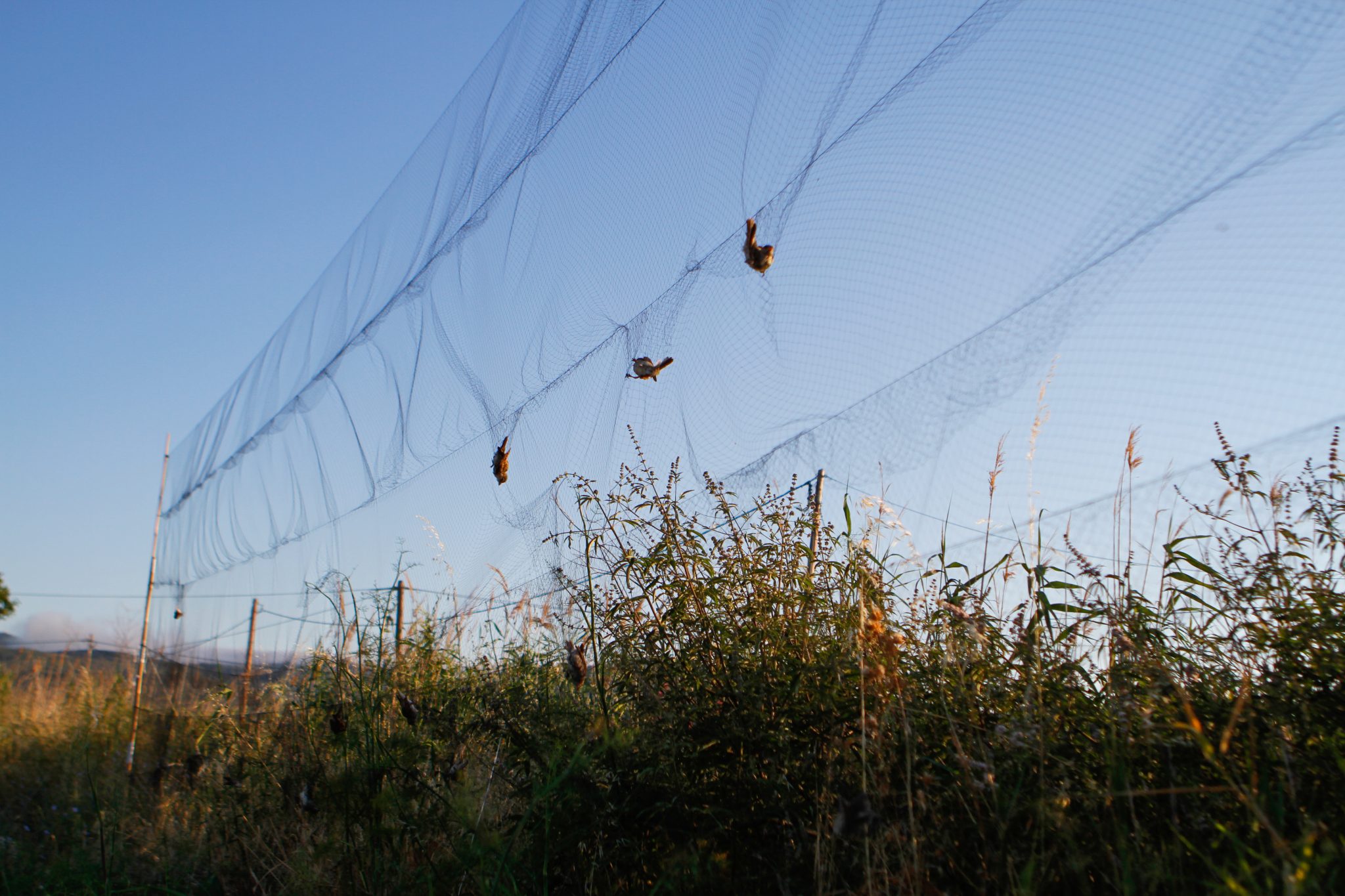
Photo by Sam Crowley
Once back from surveys I always like to have a second breakfast and drink lots more water. I’m not normally a napper but days here can get quite long and tiring so having a snooze at any point in the day is completely socially acceptable and is so important if you’ve not had the best sleep due to the heat or other people in the dorm getting in late from surveys when you’re a light sleeper.
There are teas and coffees to have to keep you going and then lunch at 1pm is usually pasta, rice or potatoes with different sauces and meats, salad and bread.
Every day after lunch there’s a lecture on specific taxonomic groups and if you’re here for multiple weeks then the lectures get more specific and really give you an insight into what a career in conservation could look like. The lectures are usually with other Research Assistants and school students.
Optional lectures are also sometimes available if a group in the morning found a tortoise or a snake was brought back the night before. In these you can see the herpetofauna team measuring and marking the animal before it’s released back where it was found.
When going out with the habitat team in the afternoon you need lots of water and snacks as it’s one of the hottest times of day. We went to a specific site on a transect and set up a 20x20m quadrat then repeated the same surveys in each corner so I quickly got the hang of it. I learnt so many new techniques which I know will be such an advantage in the future. These included noting canopy cover, slope angle, grass length, sapling count, vegetation cover and species number. All of this data is useful to provide context for the results of surveys done by the other taxonomic groups so it feels useful and purposeful.
Coming back from a long, hot survey always makes me crave a cold outdoor shower but there is a timetable for warm indoor showers if that’s what suits you.
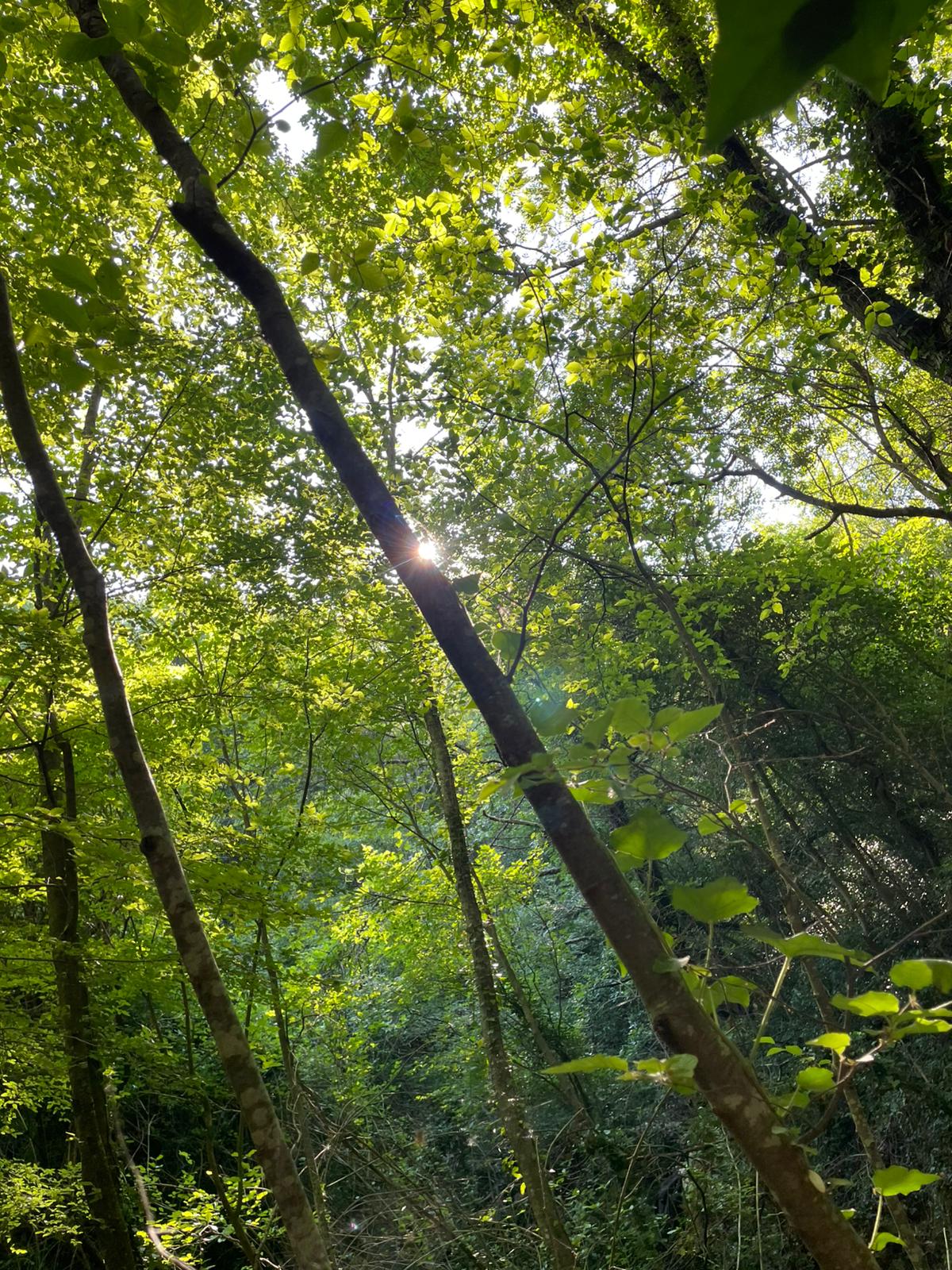
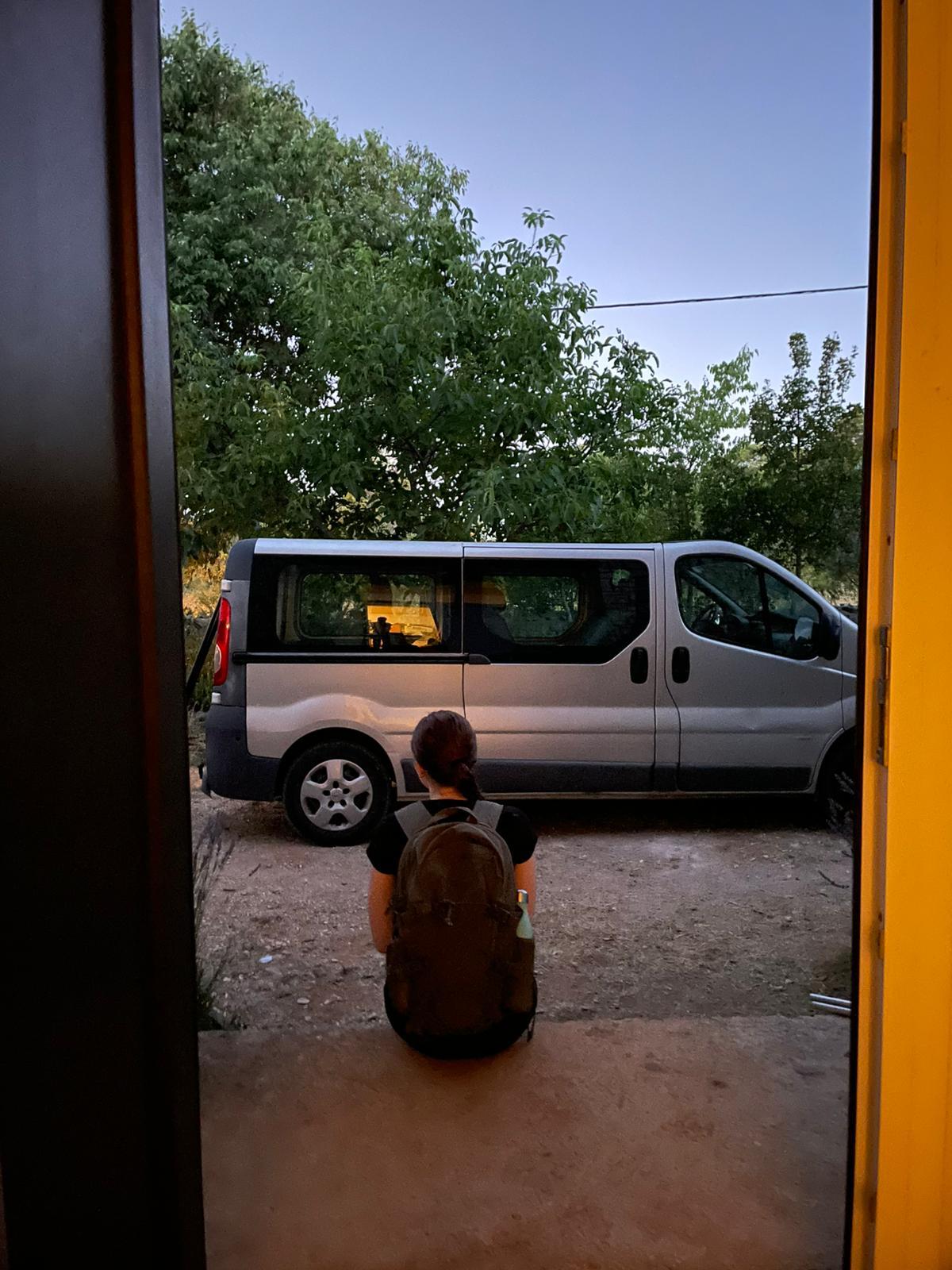
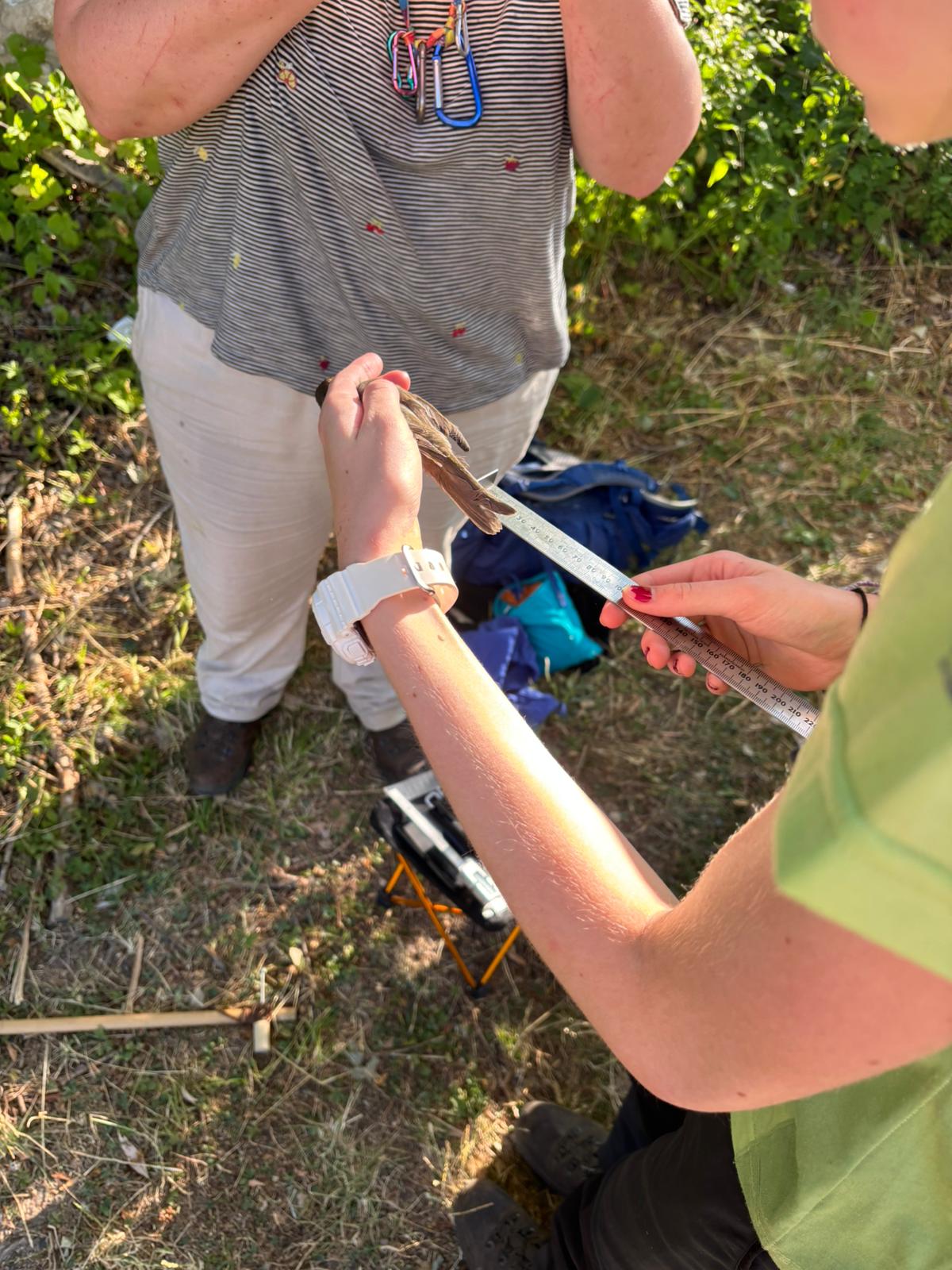
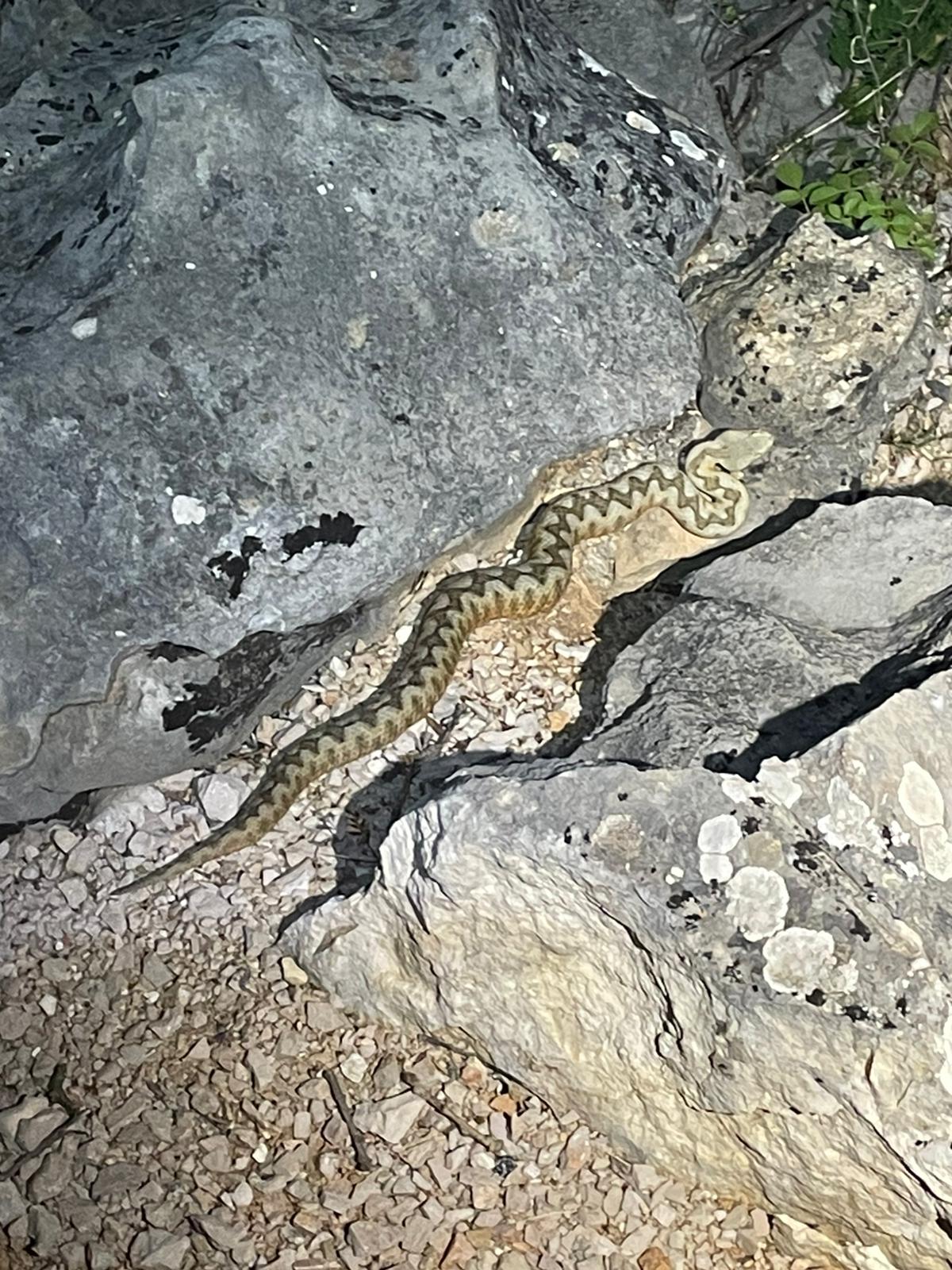
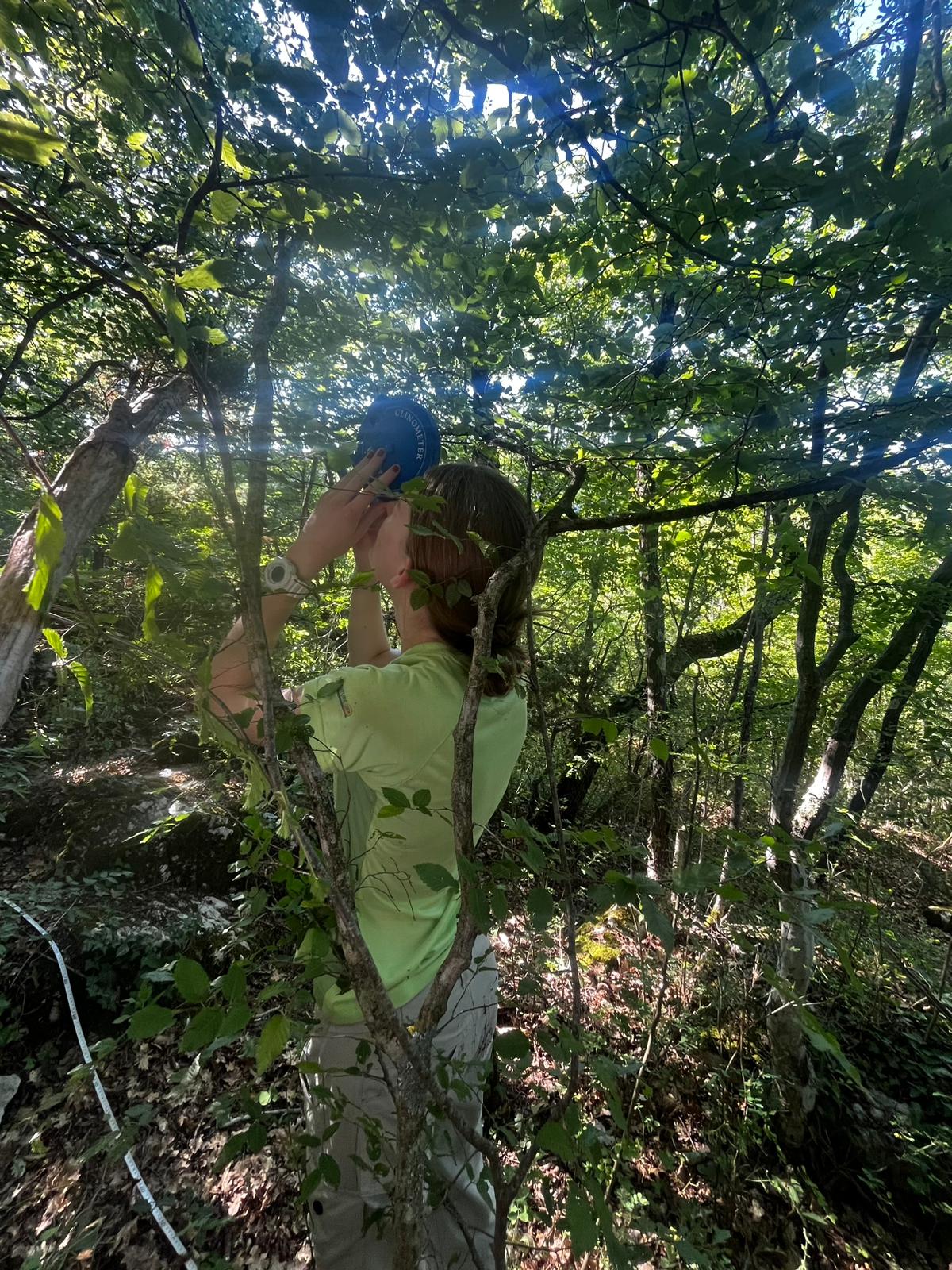
Photos by Alice Bardsley
Dinner is at 7pm and they’re often similar to lunches with nice big portions and opportunities for seconds. One of my favourite meals so far has been Croatian börek.
After dinner is when most people do their chores. This could range from taking out the bins, cleaning bathrooms or clearing up after meals. The evening is normally free to relax or do a night walk to see the wildlife that isn’t around during daytime surveys. Some nights you get a chance to attend a bat trapping survey but beware of the mosquitoes! It’s nice to unwind and play games with other Research Assistants and get to know them, as well as talking to the staff.
The time you go to bed is completely up to you, depending on how early you got up and what time your survey is the next day. The rooms are shared single-sex with 6-8 beds and I’d recommend a very light sleeping sheet as it can get hot in fuller rooms. The days can be long and lots of walking gets tiring so I find I sleep well each night. It’s amazing how in just one day you can learn and experience so much with researchers who excel in their area as well as getting lots of advice for the future and making new friends.
Title photo by Miguel Pires


© 2026 Operation Wallacea Ltd. Website by Yello Media.
Social Media Links