
Deforestation is when forests and woodlands are purposefully cleared, usually resulting in permanent change to the habitat and land-use of the area. The main driver is usually space for farming and agriculture, though others include logging, mining, settlements and wildfires.
Deforestation impacts climate change, reduces habitat for wildlife, increases the risk of disease and causes extreme temperatures due to the loss of canopy cover, which is harmful to wildlife. It also impacts local communities, through both timber and products like game meat, honey and plants for medicine.
There are several myths about deforestation which we want to debunk here!

Photo by Malachi Isome
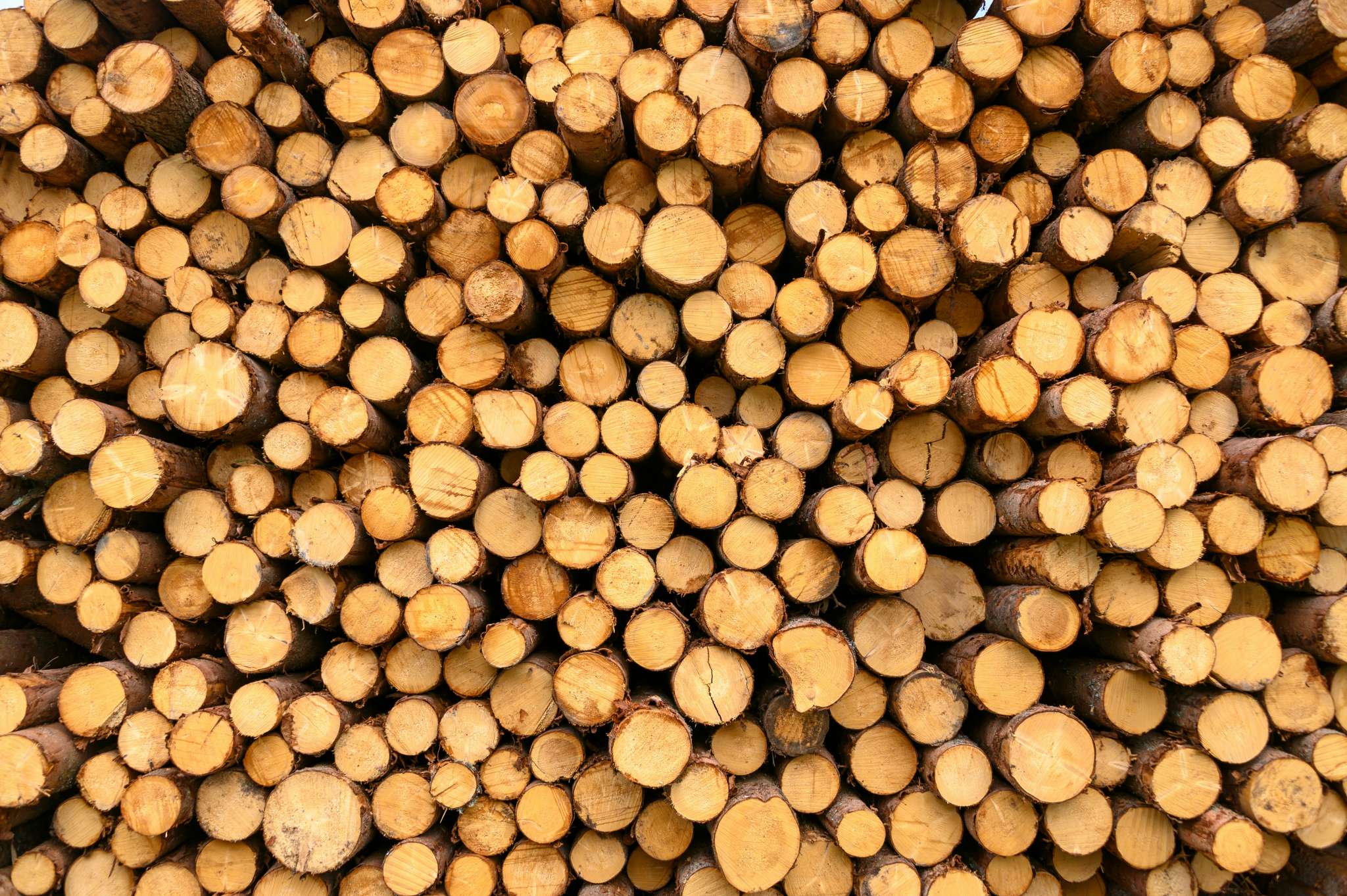
1. Most trees are cut down for timber
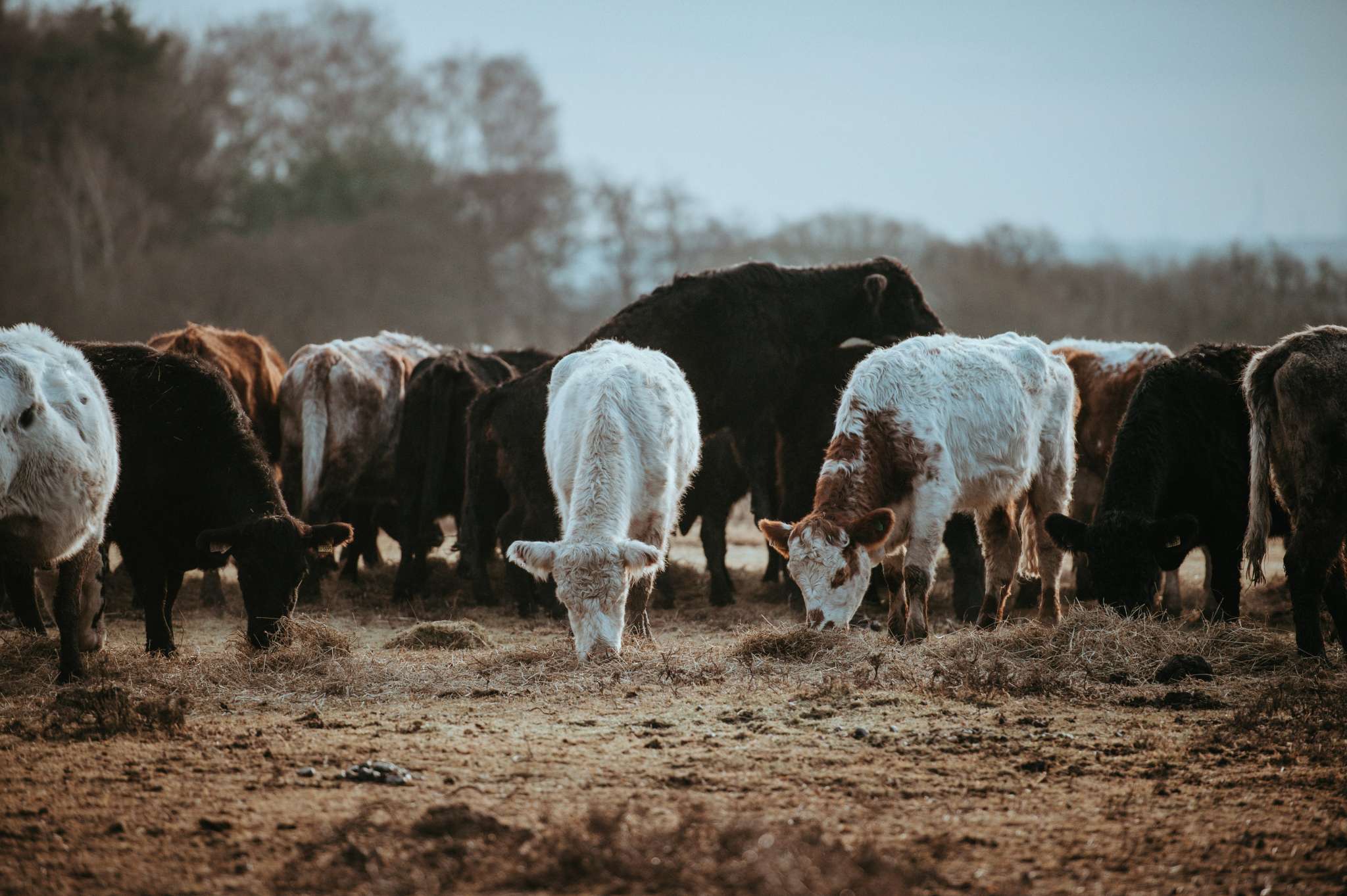
Many people think that trees are cut down because of the growing demand for timber, however the majority of deforestation is to make space for agriculture, either for crops or livestock. Meat production requires more land than crops because often livestock needs grazing area as well as crop feed. Therefore the main driver of deforestation is agriculture rather than timber production.
2. Boycotting palm oil will reduce deforestation
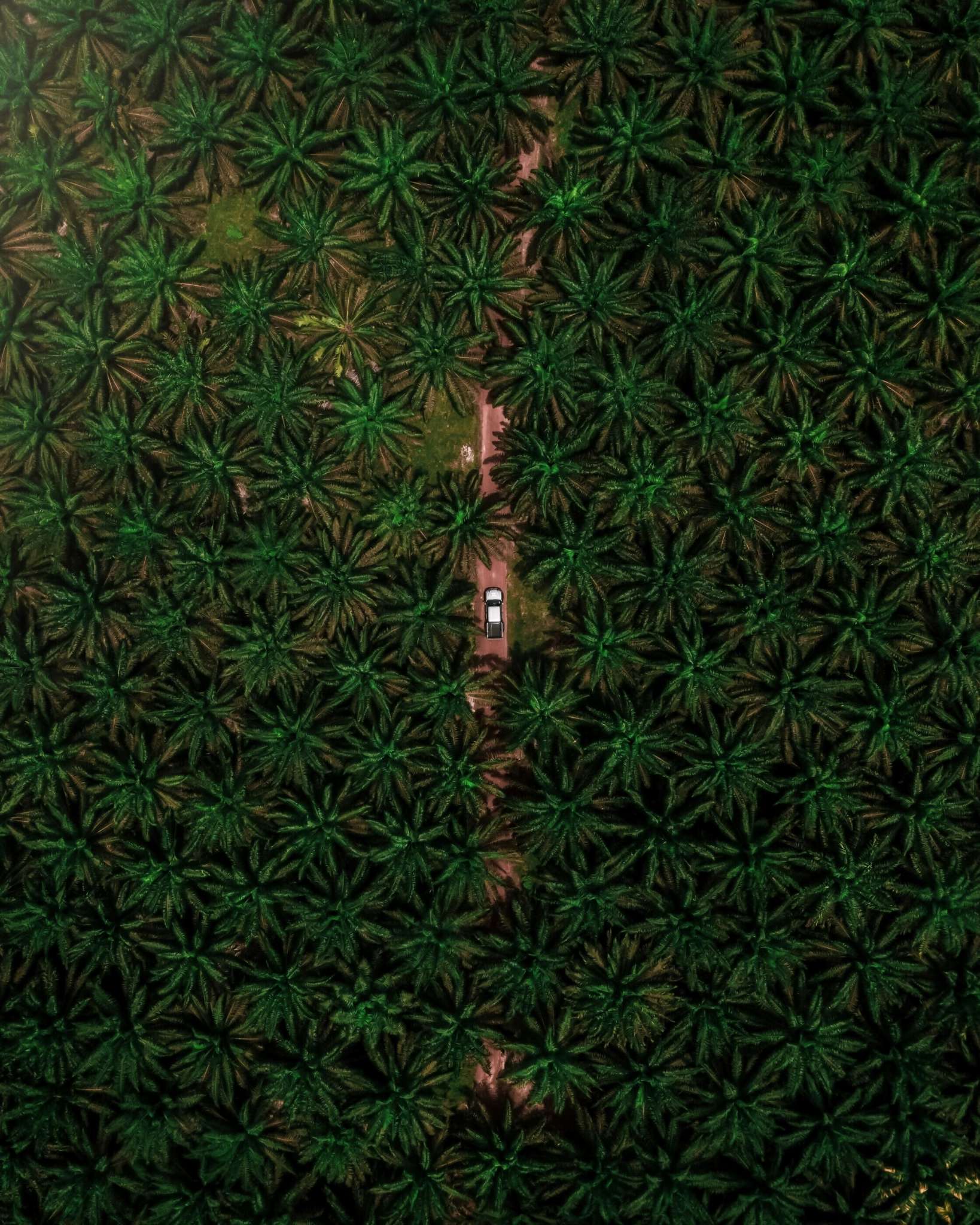
Palm oil is one of the main crops grown in deforested areas in Southeast Asia, and is thought to be the driver of 7% of global deforestation rates between 2000 and 2018.
Palm oil is actually a very productive crop and produces more oil per land area than any other. As a result it is currently heavily-relied on worldwide, supplying 35% of the world’s vegetable oil. To provide an equivalent amount of oil using other crops could need up to 10 times more land, which would then potentially result in more deforestation.
Boycotting palm oil completely is not the answer, but boycotting companies that don’t use sustainable palm oil may be a possible solution.
3. There are too many people to feed with the amount of farmland we have
If we made changes to our diets and how we manage our produce, we actually would have plenty of space for farming.
Currently up to 40% of the food we produce worldwide is wasted, mostly in personal households. If we were able to reduce this amount down by being more organized with planning meals and ensuring items don’t go out of date we could reduce this down significantly, providing numerous environmental and economic benefits. Producing food requires not just land but also water and energy, all of which could be saved if we reduce waste.
Additionally, if we protected soil health we wouldn’t need to find more land that isn’t degraded to grow crops on. Financial incentives by governments would encourage land owners to protect soils and stop degradation, removing the need to find new areas to farm.
Finally, as mentioned above livestock farming requires more land than crop agriculture. Changing to more plant-based diets by reducing the amount of meat and dairy we consume, as well as reducing the food miles on ingredients by aiming to eat more produce grown locally will all contribute to reduced need for deforestation in the tropics.
4. Avoiding certain foods will reduce deforestation
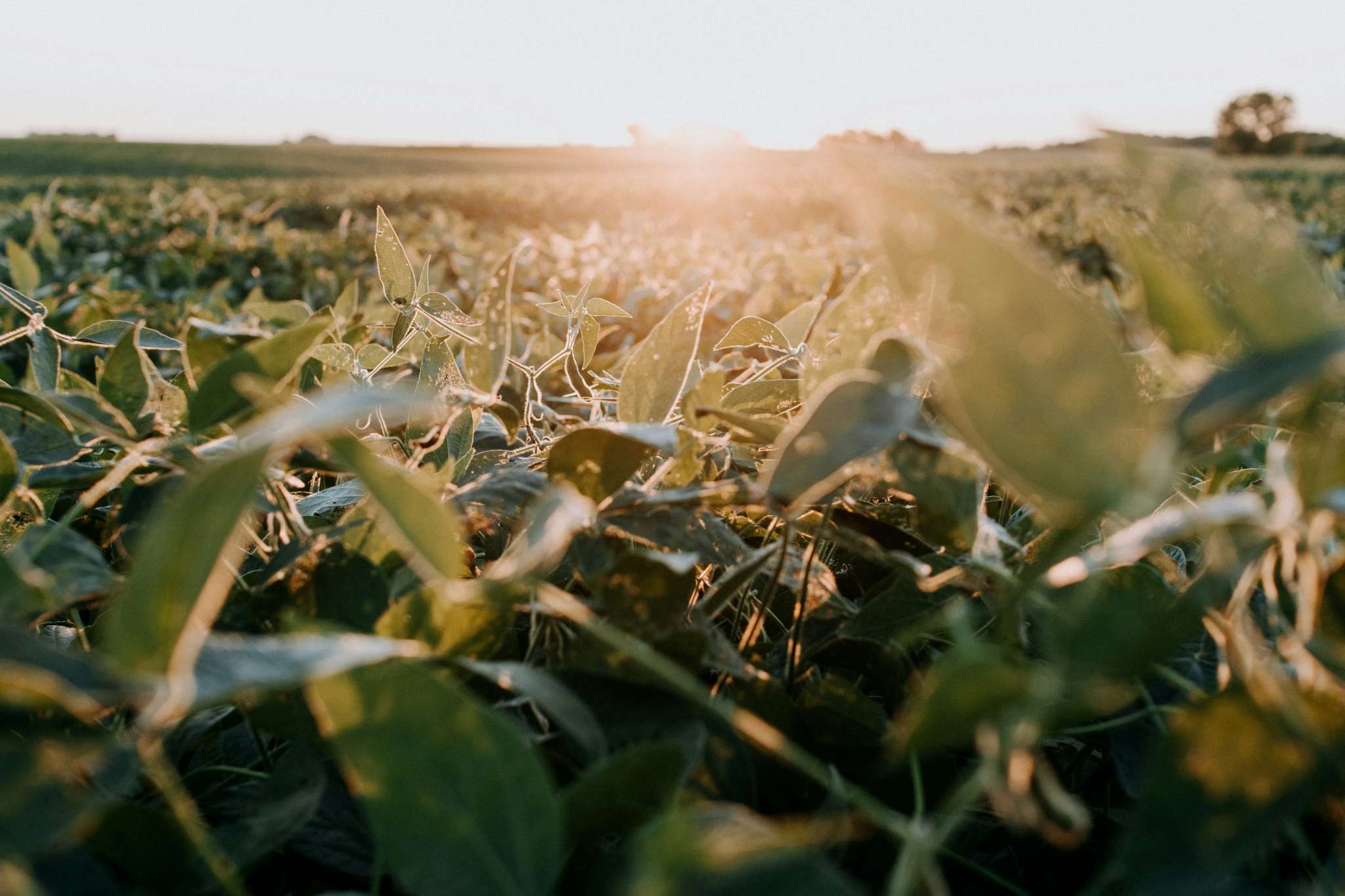
Beef production is sometimes considered the main driver of deforestation by agriculture, but it is definitely not the only one! Soy production is one of the main crops grown in deforested areas, but over 80% of it is used for animal feed, especially chickens.
This means that even if you eat a locally farmed chicken you may be contributing to deforestation as they may be fed with soy grown hundreds of miles away in a deforested area. It is hard to know if what you are eating indirectly contributes to the problem.
You can sometimes see an RSPO certification on products which is a sign of sustainably produced palm oil, and there are some apps that help show the origins of ingredients and products.
However it is really difficult to know, which brings us on to myth 5…
5. There’s nothing I can do about deforestation
Untrue!
This is a global issue that affects us all, and requires us all to step up. This can be through changing your diet and shopping habits, raising awareness and calling on governments and decision-makers to act. Governments are in a unique position to encourage businesses to eliminate deforestation from supply chains, so putting pressure on our government is vital.
We can all make small changes to reduce deforestation, and it is our responsibility to do so.


© 2026 Operation Wallacea Ltd. Website by Yello Media.
Social Media Links