
Spending 4 weeks as a research assistant in Krka, Croatia surpassed my expectations. Within just a few days I formed strong connections with fellow research assistants and staff – relationships that enriched both my learning and overall experience.
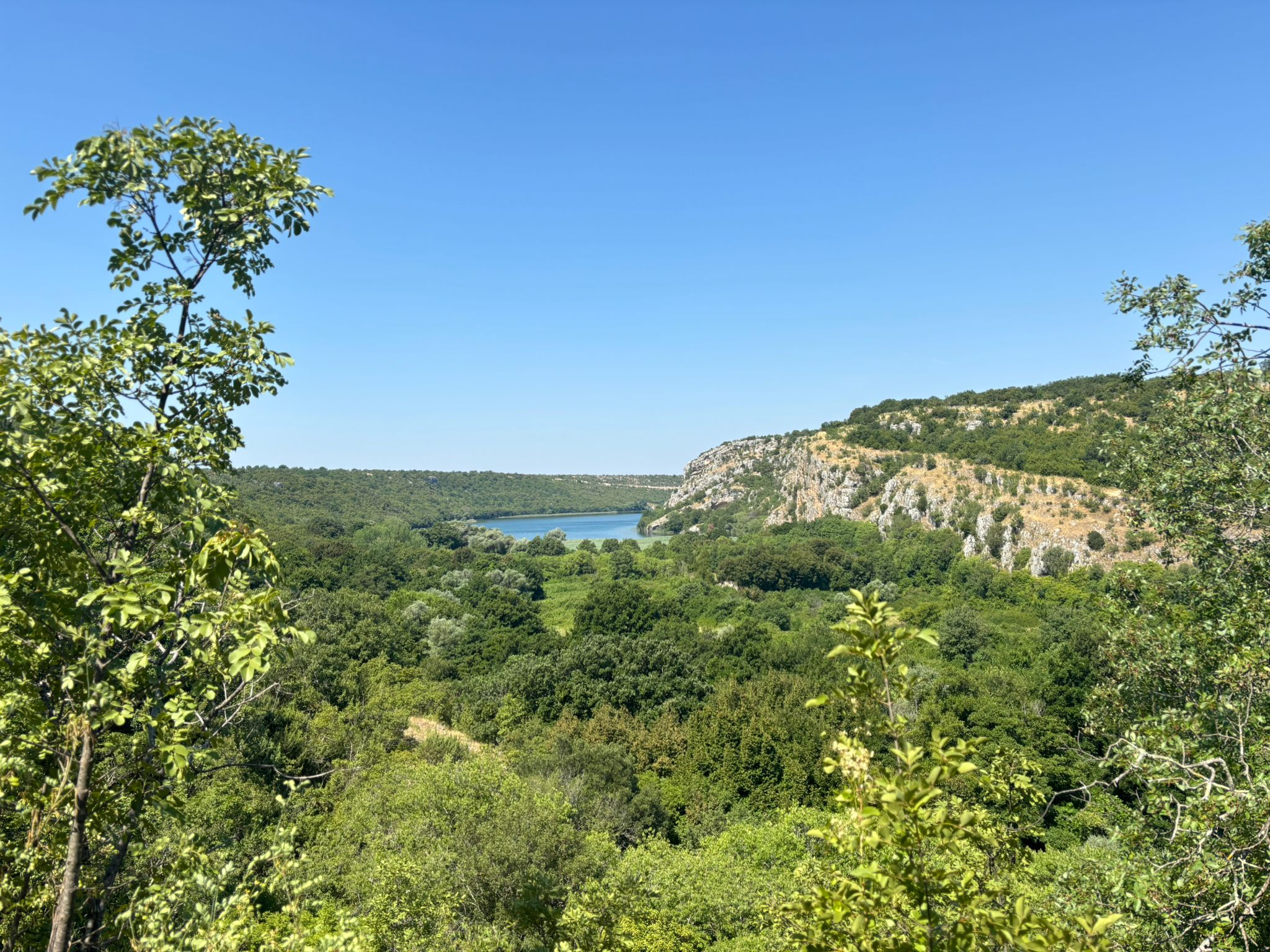
My first week consisted of at least two surveys a day, a lecture and often a workshop. This gave me the opportunity to explore and familiarise myself with all taxon groups which included birds, invertebrates, bats, herpetofauna, mammals and habitats. The workshops offered interactive ways of learning more about each group, while the lectures provided an overview of key aspects related to each taxon team.
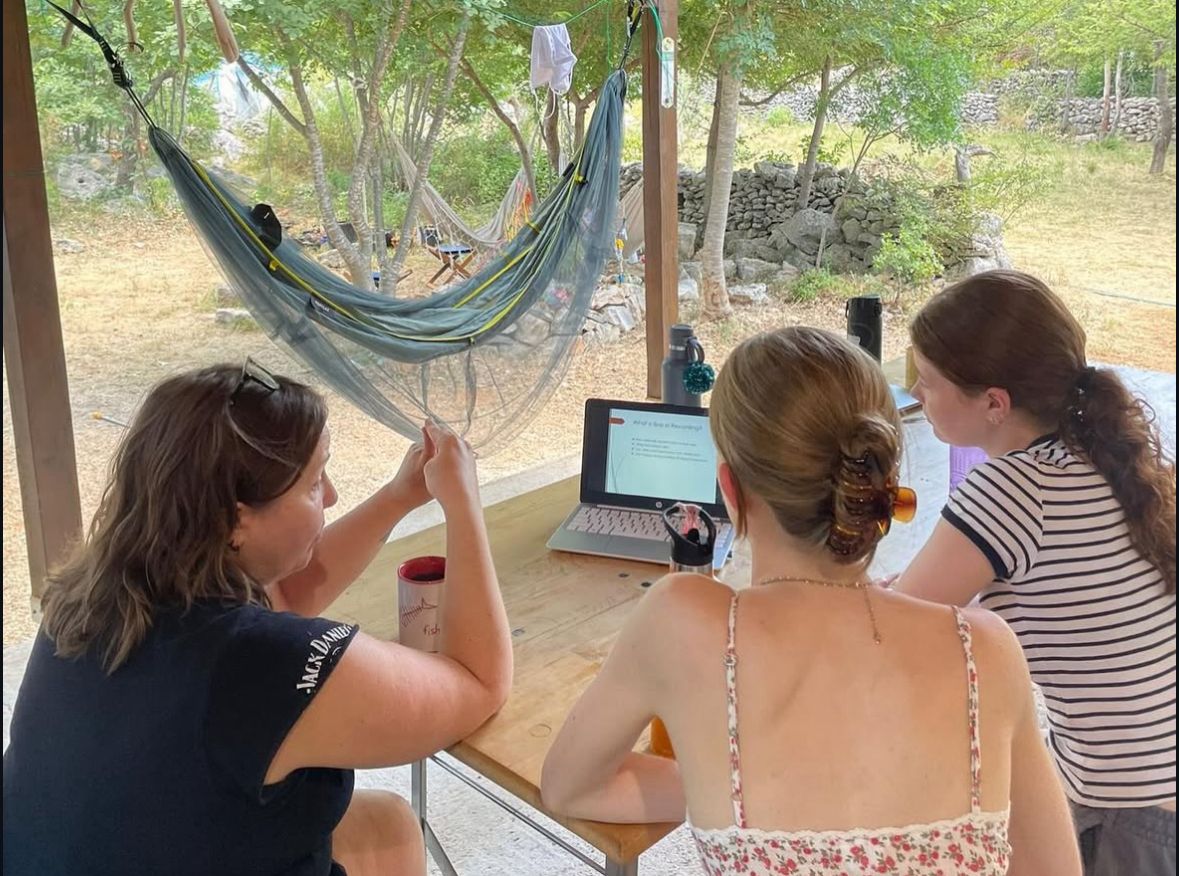
My second week followed a similar schedule however I was able to take a more practical role in the field. For example, during bird mist netting, I began practicing taking bird morphometrics by applying what I had observed in the previous week. Rather than lectures, this week included workshops focusing on different aspects of conservation. They explored themes such as research bias, different career paths in conservation and how to create a good CV and LinkedIn profile tailored to this field.

By my third week I could specialise in my interests. I chose to focus more on habitat surveys, however having enjoyed many of the taxon teams I kept my schedule quite varied. Due to being familiar with the research methods, I was given more responsibility so I explained the habitat data collection techniques to new research assistants. I was also keen to assist with data entry, therefore, during the week I worked on data input for each taxon team. This involved the use of excel and epicollect.

In my final week, I decided to specialise in habitats where I essentially became an extra member of staff on the team. I took on more of a leadership role, leading a habitat survey to a group of school students. I continued to assist with data entry for the team and also worked closely with the biodiversity coordinator, gaining valuable insight into how all research data is managed and coordinated.
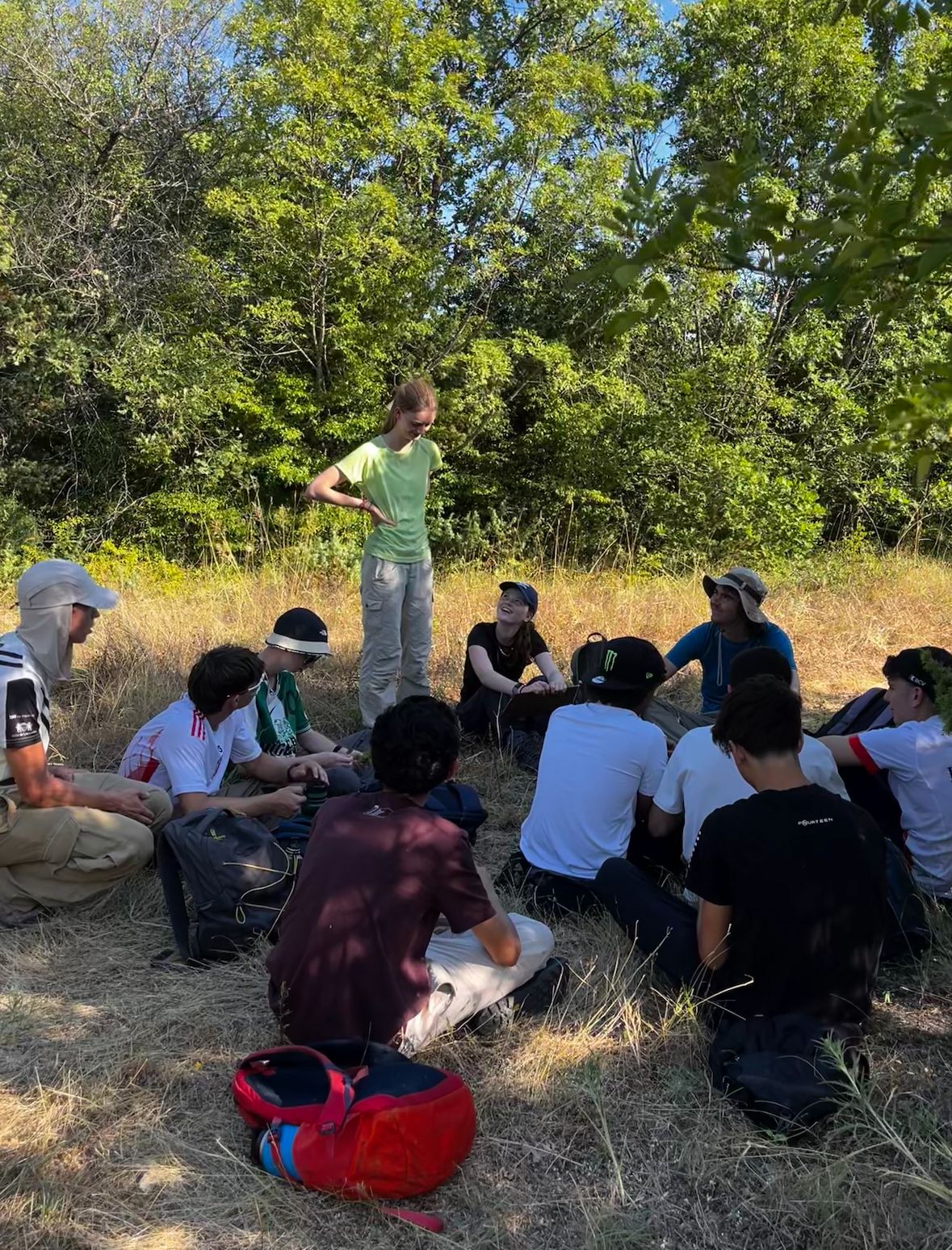
Spending a month in the field opened up opportunities that wouldn’t have been achievable in a shorter amount of time. The first two weeks were essential for building foundational knowledge and skills which enabled me to take on more responsibility in the last two weeks, due to having a clearer and stronger understanding of the research process. Over the course of the month, my confidence and ability to work independently grew significantly and I hope to return in the future, this time as a member of staff.
Photos by Lauren Brown


© 2026 Operation Wallacea Ltd. Website by Yello Media.
Social Media Links