
It’s time to think about if there are any lifestyle changes you want to make in the year ahead. This is a great time to reflect on how your current habits impact the natural world, and think about how to change these for the better. Use our ideas below to craft some amazing new years resolutions to benefit the planet!
1. Start recycling
This is a really easy way to act more sustainably. Check what your council recycles, and if they don’t do collections, consider storing it up and taking it to a recycling centre at a later date. Additionally, consider lobbying your local MP if your area doesn’t yet support recycling and try to get that changed.
2. Take time to explore the outdoors
I would suggest trying out some new paths and exploring further afield than you usually do. Why not visit a new nature reserve, or join a local wildlife or walking group? Spending time outdoors helps both your physical and mental health, as well as helping you to connect with the natural world. Nature connectedness is an increasingly well researched topic, as studies indicate that people who are more connected to wildlife are more invested in protecting it!
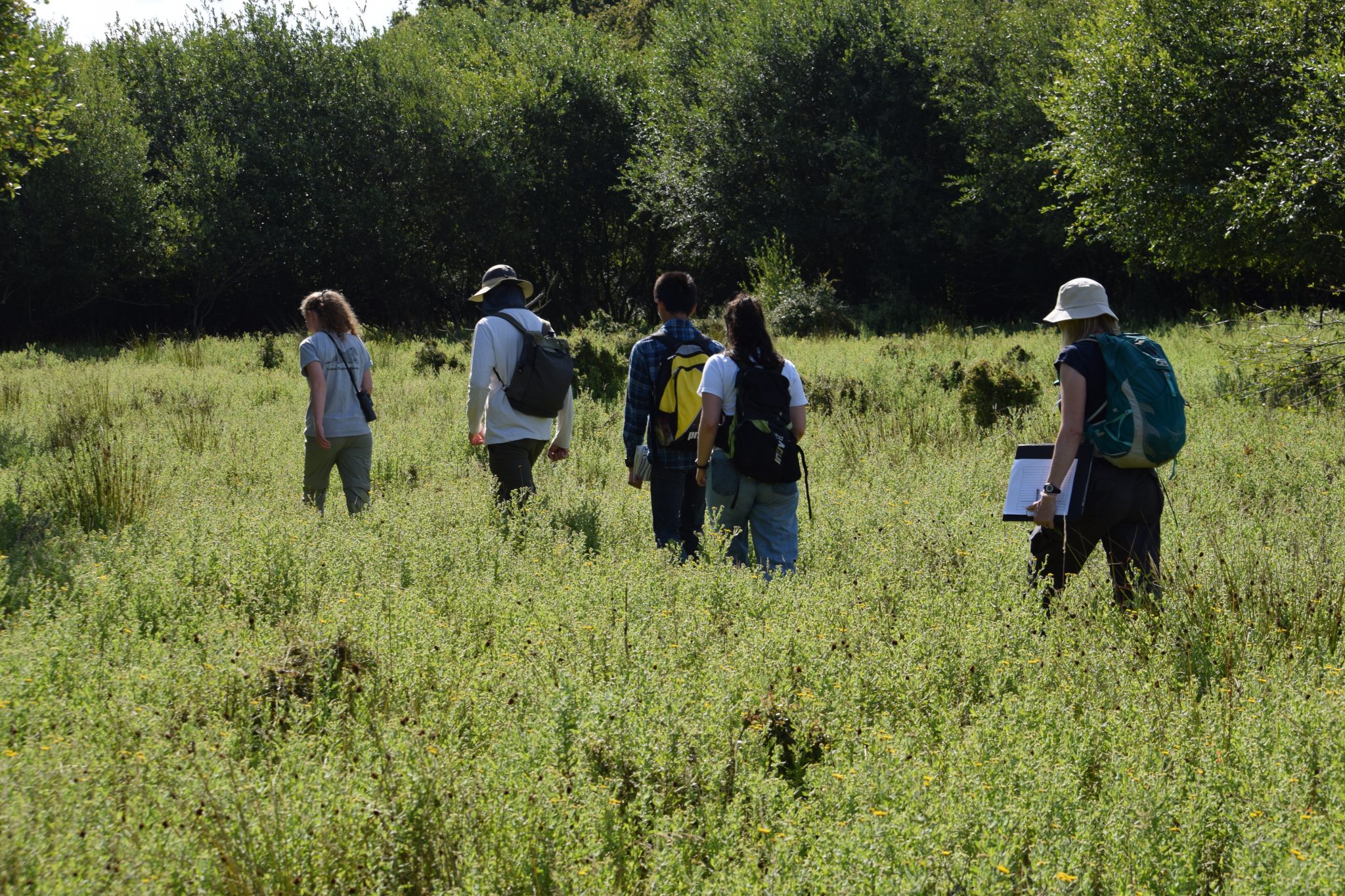
Photo by Jake Turton
3. Reduce your food waste
Check how your fruit and vegetables are supposed to be stored in order to keep them fresh for longer, which should reduce some of your food waste. You can also find great online resources with recipes specifically for leftovers or ingredients you might not know how to use. Around 10million tonnes of food is wasted annually in the UK, despite food poverty affecting millions. Reducing food waste helps keep costs down for you as well as reducing your environmental impact. Consider donating to a food bank if you can as well.
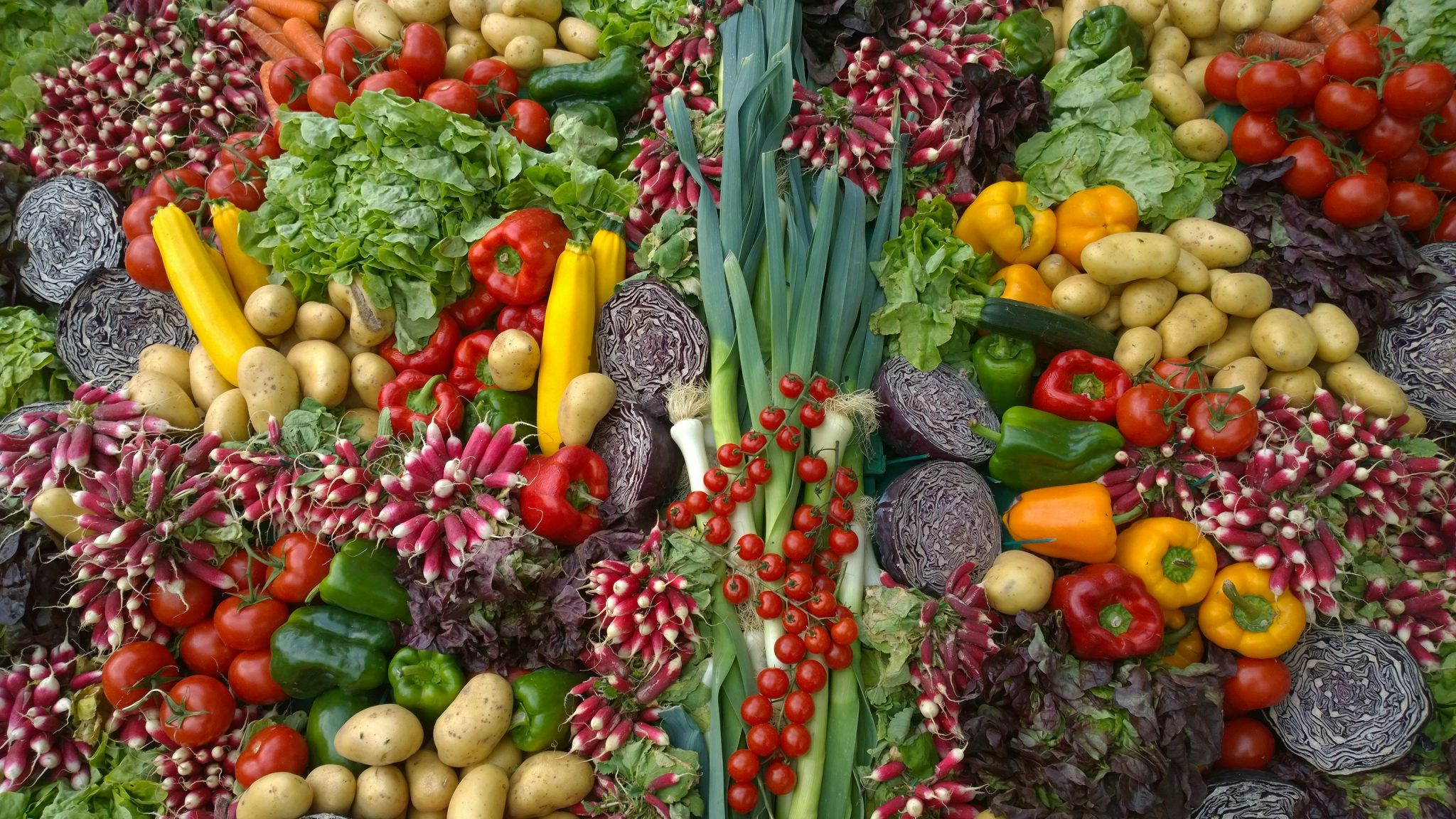
4. Why not try growing some of your own food?
Growing some of your own veg reduces costs and your environmental impact. It also helps you to become more connected with the seasons. An easy, beginner option is to grow potatoes, but equally if you don’t much space why not try a window box of herbs? If you have more space then think about a few vegetables that will produce their crop at different stages in the year so that you aren’t overwhelmed with food that needs eating all in one go!
5. Reduce your energy consumption
Turn appliances off at the wall when they aren’t being used. Use rechargeable batteries (and recharge them!) and look at where the energy you are using comes from. Could you switch to a company that supplies green energy instead?
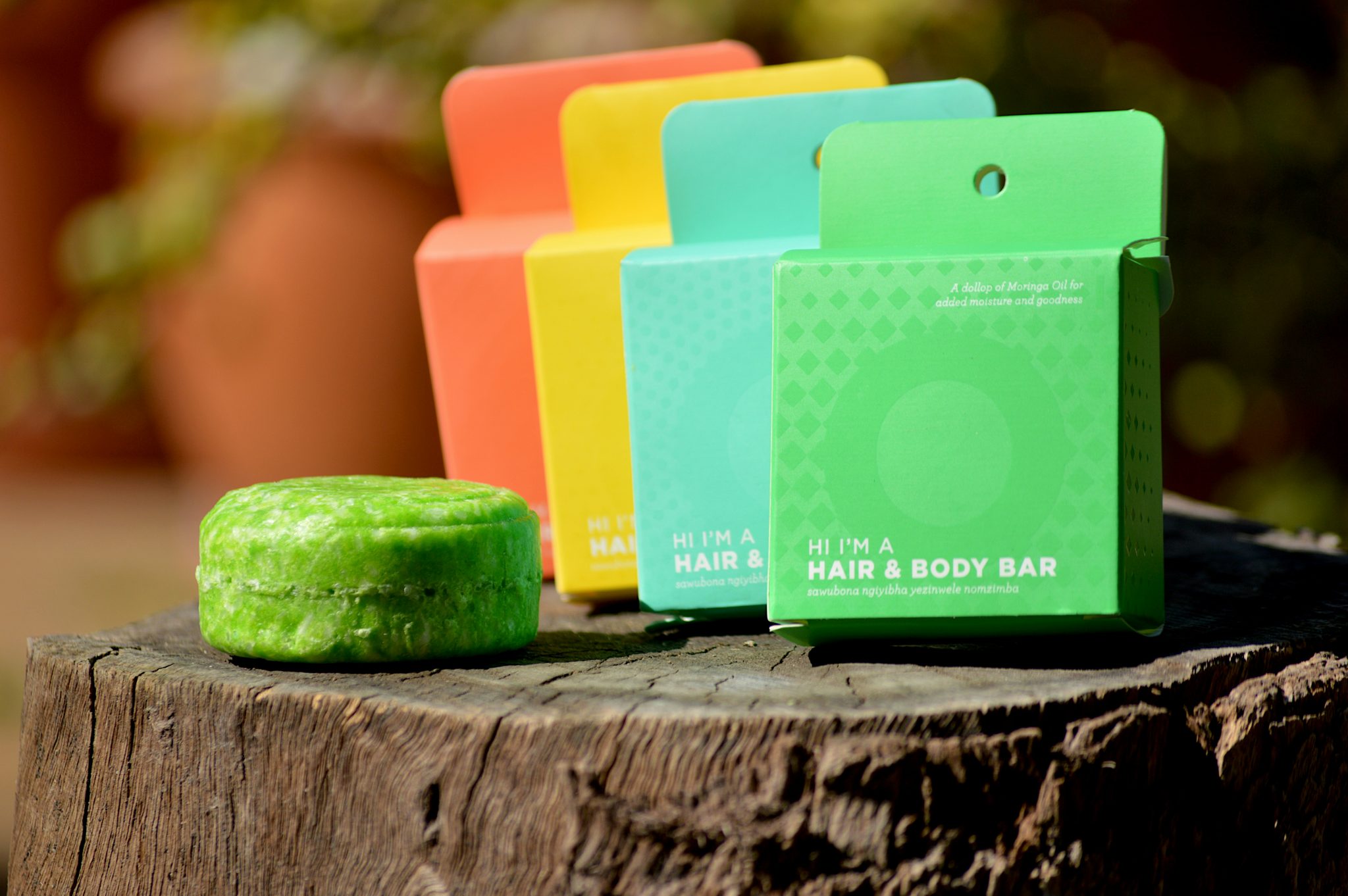
6. Minimise waste in one area of your home
Going completely zero-waste can seem tricky and overwhelming, but just remember that any swap or change towards that is a step in the right direction. If you focus on only one room, like your bathroom or kitchen, you can remove the unnecessary single-use items and replace them with reusable alternatives. For example, swap cling film for beeswax wraps. Shop locally to reduce packaging that comes with items, and find eco-friendly products that can be swapped in to replace what you currently use. Going one room at a time is much more manageable change to a more sustainable lifestyle.
7. Eat a more plant-based diet.
Consider eating a few veggie or vegan meals every week, which is a great way to get a more varied diet. There are lots of good meat substitutes, and tons of veggies that we never really eat! Try to make a conscious choice to buy your animal products (meat and dairy) from a local farmer, and in supermarkets look for the logos that tell you they are ethically and sustainably produced.
8. Use less water
Some simple tricks are to only run dishwashers when they are full, turn off the tap while brushing your teeth, and to shower instead of having baths. Get any leaky pipes fixed as soon as you spot them, and consider storing up both rainwater and wastewater (half-drunk cups and cooled vegetable cooking water) to water your plants!
9. Use sustainable transport methods
Walking and cycling are great ways to travel that also have health benefits. Carpooling to work is a great way to reduce your carbon footprint down, and consider public transport options too! Always avoid flying whenever you can, and think about carbon offsetting your travel to reduce your impact on the planet.
10. Get involved!
There are many ways to do more this year. You could advocate for environmental policies, volunteer with local wildlife groups, switch to a green bank, read up on environmental projects in your area and discuss them with friends and family. Shop locally and for organic products. Anything and everything you do are a step in the right direction to having a more sustainable year.
Happy New Year!!


© 2026 Operation Wallacea Ltd. Website by Yello Media.
Social Media Links